

QC Kinetix has attracted attention for offering regenerative and orthobiologic treatments to people dealing with joint pain and mobility problems. The QC Kinetix lawsuit search has grown as patients and consumers look into allegations involving treatment advertising, FDA approval disclosures, financing practices, and treatment results.
The legal picture requires some distinction. A federal proposed class action was filed in Florida in March 2026, while an earlier Illinois case ended in 2025. Consumers are also searching for settlement information, reviews, complaints, treatment costs, and whether compensation may eventually become available.
This article explains what the lawsuits actually allege, what is documented in public records, what remains unproven, and what patients should consider before paying for regenerative medicine services.
What Is QC Kinetix?
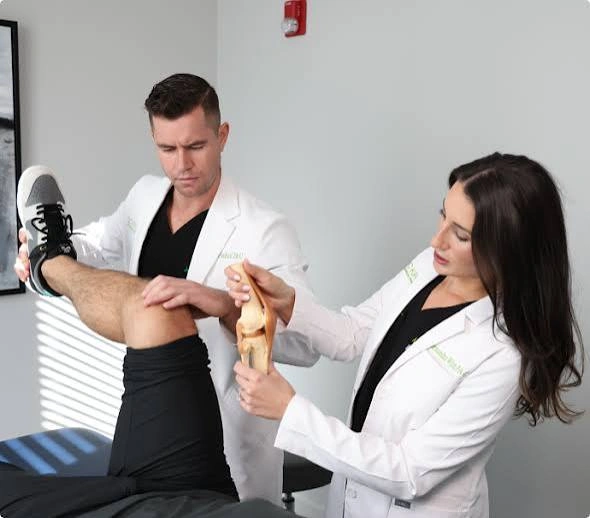
QC Kinetix is a network of clinics offering non-surgical regenerative and orthobiologic treatments for musculoskeletal pain. Its services are marketed toward patients with problems involving joints, arthritis, sports injuries, and reduced mobility.
Treatments may include platelet-rich plasma (PRP) and other procedures involving biologic material obtained from the patient’s body. The company describes its approach as an alternative for some people who want to explore non-surgical options before procedures such as joint replacement.
QC Kinetix operates through a franchise model, which is important when discussing complaints or litigation. Conduct involving one franchise location does not automatically establish that every QC Kinetix clinic followed the same practices.
The company also states that treatment plans and costs vary depending on a patient’s condition and location. Exact pricing is generally discussed after a consultation, and third-party financing may be available.
Is There a QC Kinetix Lawsuit?
Yes. As of August 2026, there is a federal proposed class action involving QC Franchise Group and related defendants.
Estrada v. QC Franchise Group, LLC, et al., case number 1:26-cv-21895, was filed on March 23, 2026, in the U.S. District Court for the Southern District of Florida. The defendants listed on the federal docket include QC Franchise Group, LLC, Med-Den Funding LLC, and Regencare 1142, LLC, doing business as QC Kinetix Doral.
The complaint alleges deceptive advertising and financing practices connected with regenerative treatments sold to Florida consumers. The allegations include claims that consumers were not adequately informed about regulatory status and that financing arrangements were not properly disclosed. The defendants have sought to compel arbitration or, alternatively, dismiss the complaint.
An earlier proposed class action, Robertson v. QC Franchise Group LLC, was filed in Illinois in November 2023. That dispute involved allegations concerning treatment marketing, financing, and FDA-related disclosures. Public reporting indicates the plaintiff ultimately resolved her individual dispute, and the case was dismissed in 2025 without a class-wide recovery.
Importantly, filing a lawsuit does not establish that the allegations are true.
Main Allegations in the QC Kinetix Lawsuits
The allegations have generally focused on the intersection of medical marketing, informed consumer decision-making, treatment costs, and financing.
In the 2026 Estrada complaint, the plaintiff alleges that consumers were sold costly regenerative treatments while material information about those procedures was inadequately disclosed. The lawsuit also challenges aspects of the financing process.
Among the allegations raised across litigation and consumer disputes are:
- Advertising that allegedly overstated or inadequately qualified treatment benefits.
- Alleged failures to clearly disclose the FDA status of certain treatments.
- Recommendations for expensive multi-session treatment plans.
- Allegedly inadequate disclosure of loan or financing terms.
- Consumer concerns about cancellation and refunds after financing had been arranged.
- Claims involving whether patients had enough information to provide meaningful consent.
These are allegations, not judicial findings of wrongdoing. Different cases also involve different clinics, defendants, facts, contracts, and legal theories.
Why Regenerative Medicine Is Legally Controversial
Regenerative medicine is not a single treatment. The term can cover substantially different products and procedures, each potentially subject to a different regulatory framework.
The legal difficulty arises when marketing language goes further than the scientific evidence or regulatory status supports. Advertising a treatment as capable of curing, reversing, regenerating, or reliably preventing surgery can create consumer-protection issues if those statements cannot be substantiated.
FDA regulation adds another layer. The agency regulates various regenerative medicine products and has repeatedly warned consumers about unapproved products promoted for orthopedic and other medical conditions.
At the same time, saying that a procedure is “not FDA approved” does not automatically mean every use of that procedure is unlawful. Regulatory treatment of PRP, autologous material, medical devices, human cells and tissues, drugs, and biological products can differ significantly.
That distinction is why legal analysis should focus on the specific product, procedure, claims being made, and regulatory classification, rather than treating all regenerative medicine as one category.
Are QC Kinetix Treatments FDA Approved?
This question needs a careful answer because “FDA approved” and “FDA cleared” are not interchangeable concepts.
QC Kinetix states that because some of its treatments use material derived from a patient’s own body, those treatments do not go through the traditional FDA drug-approval process. It also states that devices used by QC Kinetix are FDA cleared.
The FDA’s broader guidance is more cautious. The agency says regenerative medicine products are regulated and warns that regenerative products have not been approved to treat orthopedic conditions such as osteoarthritis, knee pain, shoulder pain, tendonitis, and back pain.
PRP presents an especially important distinction. Devices used to prepare PRP can receive FDA clearance, while that does not mean the resulting PRP procedure has received FDA approval as a proven treatment for a particular orthopedic disease. Medical literature likewise distinguishes FDA device clearance from approval of PRP for a specific clinical indication.
Patients should therefore ask about the exact procedure they are receiving rather than relying on a broad statement that something is “FDA approved” or “FDA cleared.”
Why Patients Are Drawn to Regenerative Medicine Clinics
Many people visiting regenerative medicine clinics are already dealing with chronic pain. They may have tried medication, physical therapy, steroid injections, or other treatments without obtaining the improvement they hoped for.
The possibility of avoiding surgery can therefore be highly attractive.
Regenerative clinics commonly appeal to people seeking:
- Non-surgical treatment options.
- Shorter recovery periods.
- Reduced dependence on pain medication.
- Improved joint mobility.
- Alternatives before considering joint replacement.
QC Kinetix specifically markets PRP and related approaches as non-surgical options for joint and arthritis-related discomfort. Its own materials also acknowledge that results vary and that PRP is not a cure for arthritis.
From a consumer-protection perspective, this patient population can be particularly sensitive to strong treatment claims. People living with persistent pain may be more willing to pay substantial out-of-pocket costs when presented with an option that appears capable of helping them avoid surgery.
Financing Complaints and Consumer Concerns
Financing is one of the most significant issues appearing in both litigation allegations and publicly posted complaints.
Regenerative treatments can involve substantial out-of-pocket expenses. QC Kinetix says pricing depends on the patient’s condition, location, and treatment plan and that third-party financing options are available.
The Estrada complaint goes further, alleging problematic financing practices involving Med-Den Funding. The plaintiff claims financing arrangements were not adequately explained and that treatment costs could create substantial long-term obligations. Those claims remain allegations.
Separately, BBB complaints from individual QC Kinetix locations include consumers describing disputes over financing, cancellation, refunds, treatment costs, and amounts owed after treatment was discontinued. BBB itself cautions that complaint information represents consumer allegations and should not be treated as independently verified proof.
Before accepting medical financing, consumers should review the APR, total amount financed, monthly payment, total repayment amount, cancellation policy, refund rules, and what happens to the loan if treatment is stopped.
What the FDA Says About Stem Cell and Regenerative Products
The U.S. Food and Drug Administration has issued explicit consumer warnings about regenerative medicine products.
FDA states that there has been widespread marketing of unapproved regenerative products for diseases and medical conditions. The agency has specifically said regenerative medicine products covered by its warning have not been approved to treat orthopedic conditions including osteoarthritis, tendonitis, back pain, knee pain, hip pain, neck pain, and shoulder pain.
FDA has also warned about potential risks associated with illegally marketed or unapproved human cell and tissue products, including infections, immune reactions, tumor formation, and failure of treatment to work as expected.
However, consumers should avoid oversimplifying FDA terminology. A device may be FDA cleared without a particular medical treatment being FDA approved for a specific condition.
For that reason, patients should request the exact name and regulatory status of any biologic product, preparation system, or procedure being recommended.
Does a Lawsuit Mean QC Kinetix Did Something Illegal?
No.
A lawsuit contains allegations made by one side of a legal dispute. Those allegations may later be proven, rejected, dismissed, settled, or resolved through arbitration.
The existence of the QC Kinetix lawsuit therefore should not be interpreted as a court finding that QC Kinetix committed fraud, violated medical regulations, or harmed patients.
The same distinction applies to proposed class actions. Calling a complaint a “class action lawsuit” does not necessarily mean a court has certified a class.
In Estrada, the publicly available federal docket confirms that the case was filed and that defendants moved to compel arbitration or dismiss the complaint. That procedural posture means the merits of the plaintiff’s allegations have not simply been established by the filing itself.
Consumers evaluating legal information should separate three categories: what plaintiffs allege, what defendants dispute or argue, and what a court has actually decided.
Questions Patients Should Ask Before Starting Treatment
Patients considering an expensive regenerative procedure should obtain enough information to evaluate both the medical treatment and the financial commitment.
Useful questions include:
- What exactly will be injected or administered?
- What condition is the treatment intended to address?
- What evidence supports its use for that condition?
- Is the treatment FDA approved for this indication?
- Is any device involved FDA cleared rather than approved?
- What is the complete cash price and financed price?
- What happens financially if treatment is discontinued?
Patients should also ask whether diagnostic imaging or a second opinion from an orthopedic specialist would materially change the treatment recommendation.
The FDA recommends that consumers considering regenerative products discuss regulatory questions and potential risks carefully before proceeding.
A high-cost treatment decision should not depend solely on testimonials, advertisements, or promises about avoiding surgery. Written documentation is particularly important when financing is involved.
Can Patients Sue a Regenerative Medicine Clinic?
Potentially, yes. Whether a patient has a viable claim depends on the underlying facts and applicable state law.
Possible legal theories can include medical malpractice, lack of informed consent, deceptive trade practices, fraudulent or negligent misrepresentation, breach of contract, or financing-related claims.
For example, a consumer might argue that materially false advertising caused them to purchase treatment. A different patient might allege that medical care fell below the applicable professional standard. Those are legally distinct claims and require different evidence.
An unfavorable treatment result by itself generally does not prove malpractice or fraud. Medical treatments can fail even when appropriate care was provided.
Patients considering legal action should preserve advertisements, contracts, consent forms, financing agreements, invoices, emails, medical records, imaging, and records of communications with the clinic or lender.
A licensed attorney can then evaluate the specific state’s limitation period, available causes of action, arbitration clauses, damages, and evidentiary requirements.
Why These Lawsuits Matter Beyond QC Kinetix
The controversy reflects broader questions surrounding the rapidly expanding regenerative medicine industry.
Consumers may encounter sophisticated marketing that uses terms such as “stem cells,” “regeneration,” “natural healing,” “orthobiologics,” or “non-surgical alternatives.” Those phrases can sound scientifically definitive even when evidence differs substantially between procedures and conditions.
Regulators are particularly concerned when unapproved products are marketed as established treatments. FDA continues to warn consumers about human cell and tissue products that require approval but are offered without it.
The legal issues also extend beyond medical effectiveness. Informed consent, advertising substantiation, financial disclosure, loan practices, refund policies, and the relationship between franchisors and individual clinics can all become relevant.
Cases involving QC Kinetix therefore illustrate a broader legal challenge: how consumer-protection and healthcare rules apply when emerging medical technologies are marketed directly to patients.
How Consumers Can Protect Themselves
Consumers considering regenerative medicine should approach the decision much as they would any other expensive medical procedure.
First, obtain the complete treatment recommendation in writing. Ask what each procedure is called, what evidence supports it, how many sessions are recommended, and what outcomes are realistically expected.
Next, separate the medical decision from the financing decision. Do not assume that signing electronic paperwork merely schedules treatment. Read every financing document and confirm:
- Principal amount.
- Interest rate or APR.
- Monthly payment.
- Loan term.
- Total amount payable.
- Cancellation and refund provisions.
Patients can also seek an independent medical opinion before committing to treatment.
If someone believes they experienced an adverse event involving a regenerative medicine product, FDA encourages reporting through its MedWatch system.
If the concern involves misleading advertising, billing, financing, or contractual obligations, preserving documentation can be important before disputing charges or consulting an attorney.
QC Kinetix Reviews and Complaints
Online reviews of QC Kinetix are mixed, which is not unusual for medical services where outcomes can vary significantly between patients.
Some patients describe substantial improvements in pain and mobility. QC Kinetix itself publishes patient success stories while noting that individual outcomes vary.
Other consumers have posted complaints involving treatment effectiveness, cost, financing, sales practices, cancellations, and refunds. BBB records for different franchise locations contain examples of such disputes.
Reviews should not be treated as clinical evidence. Positive testimonials do not establish a predictable success rate, while negative reviews do not prove negligence or fraud.
The more useful approach is to identify recurring themes and then verify those issues through medical evidence, written contracts, regulatory information, and—where applicable—court records.
What Patients Say About Treatment Results
Patient experiences vary considerably.
QC Kinetix publishes testimonials from individuals reporting improved mobility or reduced pain after treatment. The company’s website expressly notes that individual results may vary and testimonials do not guarantee a particular outcome.
Independent review platforms also contain both positive and negative experiences. Some consumers report improvement, while others say treatment provided little or no relief.
That variation matters because pain outcomes depend on diagnosis, disease severity, treatment type, patient characteristics, rehabilitation, and other factors.
A testimonial cannot determine whether another patient will experience the same result.
Common Consumer Complaints
Publicly available complaints involving individual QC Kinetix locations commonly raise several themes:
- High treatment costs.
- Dissatisfaction with results.
- Financing obligations.
- Difficulty obtaining refunds.
- Concerns about cancellation after financing.
- Allegations of pressure during the sales process.
- Questions about treatment recommendations.
For example, BBB complaints from Dallas and other locations include disputes involving financed treatment plans, effectiveness, billing, and refund requests.
These reports represent individual consumer experiences. They do not establish that the same conduct occurred at every location or that allegations contained in individual complaints are true.
QC Kinetix Reviews and Cost
Treatment cost is frequently mentioned in QC Kinetix reviews because regenerative medicine procedures can require significant out-of-pocket spending.
QC Kinetix does not present one universal price applicable to every patient. Its official FAQ says pricing varies according to geographic location, treatment plan, condition, and the type and severity of pain. Exact pricing is provided during consultation.
This makes written pricing particularly important.
Patients should request the total expected treatment cost, not merely the price of the first procedure or estimated monthly financing payment.
They should also ask whether the quoted price includes all scheduled visits, follow-up procedures, injections, supplies, and other anticipated charges.
Treatment Costs and Financing
QC Kinetix states that third-party financing is available for qualifying patients. Current company materials advertise financing options, although approval, APR, terms, and eligibility can vary.
Court allegations demonstrate why patients should review those documents carefully. The Estrada complaint describes a treatment plan listing a baseline price of $9,500 for the first treatment area and $4,700 for an additional area, while making broader allegations about subsequent costs and financing arrangements. Those figures relate to documents and allegations in that particular case and should not be treated as universal QC Kinetix pricing.
Before financing treatment, obtain both the cash price and financed total. A low monthly payment can obscure the overall financial commitment.
Is QC Kinetix Legit?
QC Kinetix is a real operating regenerative medicine clinic network. The existence of lawsuits or consumer complaints does not, by itself, make a company illegitimate.
The more useful question is whether a specific treatment is medically appropriate, adequately supported by evidence, accurately marketed, and offered under clear financial terms.
QC Kinetix provides information about its procedures, eligibility, pricing process, and patient outcomes. It also acknowledges that treatment results vary.
At the same time, federal litigation has challenged aspects of treatment marketing and financing. Those allegations should not be ignored, but neither should they be presented as established facts before the litigation resolves.
Patients should independently investigate the clinician, specific clinic, procedure, evidence base, regulatory status, and financing contract rather than relying solely on the reputation of the national brand.
What Do Consumer Reports Say About QC Kinetix?
There is no single authoritative “consumer report” that can determine whether QC Kinetix works for every patient.
BBB records provide one source of consumer complaint information, but BBB specifically warns that it does not verify the accuracy of every third-party statement and does not endorse businesses. Complaint totals can also differ substantially between individual QC Kinetix locations.
Consumer reviews generally show a mixture of experiences. Some patients report meaningful improvement, while others describe poor results, high costs, or financing disputes.
For prospective patients, reviews are most useful for identifying questions to investigate—not for establishing medical efficacy.
Clinical evidence, regulatory information, a proper diagnosis, and an independent medical assessment carry more weight than anonymous ratings when deciding whether to undergo an invasive or expensive treatment.
What Is the Success Rate of QC Kinetix?
There is no reliable universal percentage that can tell every prospective patient their likelihood of success with QC Kinetix treatment.
Different patients receive different procedures for different conditions. Outcomes can also depend on age, severity of joint damage, diagnosis, treatment protocol, activity level, rehabilitation, and other medical factors.
QC Kinetix states that some patients begin noticing improvement within particular timeframes, but it also emphasizes that individual results vary.
A QC Kinetix-sponsored ClinicalTrials.gov study involving PRP and knee osteoarthritis was withdrawn in 2024 after failing to enroll participants, and no results were posted from that study.
Accordingly, patients should be cautious about any universal success percentage unless it is supported by transparent, peer-reviewed data for the specific procedure and condition being discussed.
Does QC Kinetix Work for Arthritis?
QC Kinetix offers PRP and other regenerative approaches for people experiencing arthritis-related joint pain. The company states that PRP may support improved comfort, mobility, and function but expressly says PRP is not a cure for arthritis.
Evidence surrounding PRP is more nuanced than either “it works” or “it doesn’t.”
Medical literature indicates that PRP may provide benefits for some musculoskeletal conditions, but protocols, evidence quality, patient selection, and outcomes vary. Many regenerative therapies remain investigational or are used off-label.
FDA also states that regenerative medicine products covered by its consumer warnings have not been approved to treat orthopedic conditions such as osteoarthritis.
Someone with arthritis should therefore discuss the specific diagnosis, stage of disease, expected benefit, alternatives, risks, and supporting evidence with an appropriately qualified healthcare professional before deciding on treatment.
QC Kinetix Lawsuit and News Updates
As of August 2026, the most important current development is Estrada v. QC Franchise Group, LLC, et al., filed March 23, 2026, in federal court in Florida.
The lawsuit seeks proposed class treatment for claims involving allegedly deceptive advertising and financing practices. The publicly available docket shows that defendants filed motions in May 2026 seeking to compel arbitration and stay the proceedings or, alternatively, dismiss the complaint.
The earlier Robertson litigation in Illinois should not be confused with the current Florida case. The Illinois dispute was filed in 2023 and later ended without a class-wide judgment or payout.
At this stage, consumers should keep several points straight:
| Question | Current Status |
|---|---|
| Is there QC Kinetix litigation? | Yes |
| Is there a 2026 federal proposed class action? | Yes, in Florida |
| Has liability been established? | No |
| Has the Florida class been finally approved? | No confirmed class certification in the sources reviewed |
| Is there a class-wide settlement? | No confirmed settlement |
| Is there a public claim form? | No confirmed claim process |
| Is there a guaranteed payout? | No |
The case may change through motions, arbitration rulings, settlement discussions, class-certification proceedings, or other court decisions. Consumers should therefore be cautious with websites advertising guaranteed compensation or suggesting that a payout amount has already been established.
Read: Monday Shampoo Lawsuit
Read: McDonald’s 100% Beef Lawsuit
Read: HexClad Lawsuit
Read: Manny Khoshbin Lawsuit
Read: Blind Frog Ranch Lawsuit
Read: Sierra Mist Lawsuit
Read: 100 Day Dream Home Lawsuit
Read: Breo Ellipta Lawsuit
Frequently Asked Questions
Is there currently a QC Kinetix lawsuit?
Yes. A proposed class action was filed in federal court in Florida in March 2026 against QC Franchise Group and other defendants. The allegations remain contested and have not been established as proven facts.
Has the QC Kinetix lawsuit settled?
There is no confirmed class-wide settlement in the current Florida case based on the public information reviewed. The earlier Robertson case ended in 2025 after resolution of the individual plaintiff’s claims, rather than a class-wide payout.
Can I file a QC Kinetix lawsuit claim form?
There is currently no confirmed settlement claim form associated with the 2026 Florida proposed class action. Claim forms generally become relevant only after a settlement or compensation process has been established.
What are the main complaints about QC Kinetix?
Public complaints include concerns about treatment effectiveness, pricing, financing, refunds, cancellation, and sales practices. These are individual allegations and experiences rather than proof that every clinic or treatment presents the same issues.
What is the latest lawsuit status?
The 2026 Florida case remains ongoing, with no confirmed class-wide payout or settlement announced.
Final Thoughts
The QC Kinetix lawsuit involves legitimate legal questions surrounding regenerative medicine marketing, regulatory disclosures, treatment costs, and financing. The 2026 Florida case is real, but its allegations should not be presented as proven misconduct while the litigation remains unresolved.
Consumers should also distinguish the current case from earlier litigation and from individual online complaints. There is presently no confirmed class-wide settlement, guaranteed payout, or public settlement claim process identified in the records reviewed.
Anyone considering treatment should investigate the specific procedure, its evidence and regulatory status, the full price, and all financing terms before signing. Patients who believe they were financially or medically harmed should preserve their records and consider obtaining independent medical and legal advice. Ultimately, compensation and liability depend on evidence, applicable law, contractual terms, and court or arbitration decisions—not simply on the existence of a lawsuit.