
Naviance, the college and career planning platform used by schools across the United States, became the focus of a student privacy dispute involving PowerSchool, Hobsons, Heap, and the Chicago Board of Education. The Naviance class action lawsuit alleged that confidential student communications and information were intercepted through third-party analytics technology embedded in the platform.
Students and parents have since searched for information about the lawsuit’s status, the $17.25 million settlement, eligibility requirements, claim forms, payment amounts, and whether notices sent by the settlement administrator were legitimate.
The case has now moved beyond its original allegations into settlement administration. This guide explains what the lawsuit alleged, who was covered, what deadlines have passed, how payments are structured, and what happens next.
What Is the Naviance Class Action Lawsuit?
The Naviance class action lawsuit is a student-data privacy case titled Q.J. v. PowerSchool Holdings LLC, et al., Case No. 1:23-cv-05689, in the U.S. District Court for the Northern District of Illinois.
The plaintiff alleged that defendants played roles in the non-consensual interception of confidential and sensitive communications generated while students used Naviance. The allegations centered partly on third-party analytics technologies integrated into the platform.
PowerSchool, Hobsons, Heap, and the Chicago Board of Education denied violating the law. A settlement was reached without the court making a finding that the defendants were liable for the alleged conduct.
Naviance Class Action Lawsuit Update 2026
The major development in 2026 was a $17.25 million settlement covering qualifying U.S. students who logged into Naviance during the defined class period.
The deadlines for timely exclusions and objections were July 13, 2026. The deadline for timely claims was July 27, 2026. The final approval hearing took place on August 19, 2026.
The court-authorized settlement website now lists a minute order granting final approval, attorneys’ fees, and a service award. Settlement administration therefore remains important for people who submitted claims and are waiting for payment processing.
What Is Naviance?
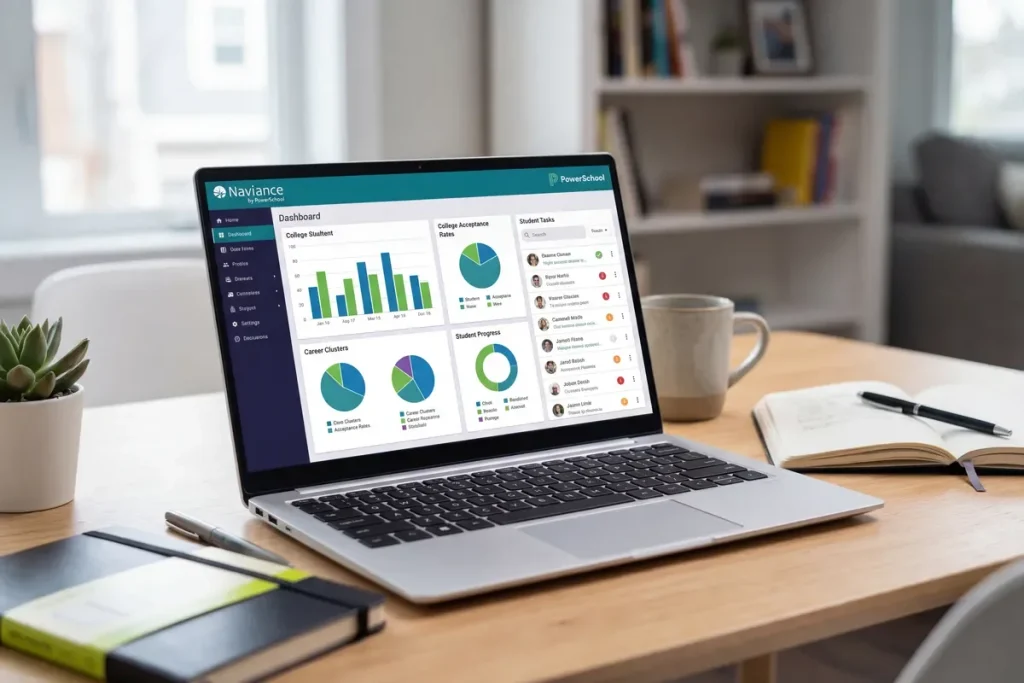
Naviance is an education technology platform designed to help students with college, career, and postsecondary planning.
Schools can use the platform for activities such as career exploration, college research, assessments, academic planning, and communication among students, families, counselors, and educational institutions.
Because students may interact with the platform as part of school activities, the lawsuit raised questions about how information generated during those interactions was collected and handled.
Who Owns Naviance?
Naviance was historically associated with Hobsons. PowerSchool acquired the Naviance business from Hobsons in 2021.
The lawsuit and settlement therefore reference both Hobsons and PowerSchool because the alleged conduct and relevant class period span the platform’s operation under those entities.
Why Was Naviance Sued?
The lawsuit alleged that student communications and information generated through Naviance were intercepted or collected through third-party analytics technology without legally sufficient consent.
According to the allegations, analytics tools embedded in Naviance could capture information about how individual students interacted with the platform.
The defendants disputed liability. The settlement resolves the class claims without establishing that the defendants committed the alleged privacy violations.
Q.J. v. PowerSchool Holdings LLC Explained
Q.J. v. PowerSchool Holdings LLC, et al. is the federal class action underlying the Naviance settlement.
The case concerned alleged privacy violations connected to student use of Naviance and third-party tracking or analytics technologies.
Who Filed the Naviance Class Action Lawsuit?
The case was brought by a student identified in court records by the initials Q.J., individually and on behalf of other similarly situated individuals.
Using initials can help protect the identity of a minor or student involved in litigation involving sensitive information.
When Was the Lawsuit Filed?
The litigation began in August 2023 in federal court.
It continued through motions and other proceedings before the parties eventually negotiated the settlement that became the focus of the 2026 notice and claims process.
Where Was the Lawsuit Filed?
The case was filed in the U.S. District Court for the Northern District of Illinois, Eastern Division.
The case number is 1:23-cv-05689, and U.S. District Judge Jorge L. Alonso has overseen the litigation.
Who Are the Defendants?
The settlement identifies the defendants as:
- PowerSchool Holdings LLC
- Hobsons, Inc.
- Heap, Inc.
- Board of Education of the City of Chicago
Their alleged roles were not necessarily identical, and each defendant denied violating applicable law.
What Did the Lawsuit Allege?
The plaintiff alleged that confidential and sensitive student communications were intercepted through analytics technology associated with Naviance.
The complaint asserted claims under federal and state privacy laws. These remain allegations; the settlement did not amount to an admission that the defendants violated those laws.
What Student Data Was Allegedly Collected Through Naviance?
The litigation concerned information generated when students interacted with Naviance. Court records describe personal student information as well as interactions with the platform.
The scope of alleged collection is important because the case was framed as a privacy and communications-interception dispute rather than simply a conventional cybersecurity incident.
Student Communications
The plaintiff alleged that communications made while interacting with Naviance could be captured or transmitted through embedded analytics technology.
The legal dispute focused on whether those communications were intercepted in a manner prohibited by applicable privacy laws.
Education and School Records
Court filings discuss personal and educational information associated with students, including identifying and academic information.
The presence of school-related information contributed to the lawsuit’s broader concerns about student privacy and the handling of education records.
Online Activity and Interactions
The allegations included tracking of how students interacted with Naviance.
Analytics technology may record events such as page views, clicks, taps, swipes, and form interactions depending on its configuration. The lawsuit challenged the alleged collection and use of such interaction data in the Naviance environment.
Personal and Sensitive Student Information
Court records describe information associated with Naviance users that could include identifying and educational details.
The lawsuit alleged that students and families reasonably expected confidential information generated through the education platform to remain appropriately protected.
How Was Student Data Allegedly Collected?
The plaintiff’s theory focused substantially on analytics code integrated into Naviance.
Rather than alleging that an outside hacker broke into Naviance, the case alleged that third-party technology embedded within the platform could collect or receive information during normal student interactions.
Third-Party Analytics Technology
Analytics tools are commonly used to understand how people interact with websites and applications.
The legal issue in this case was not simply the existence of analytics technology. The plaintiff challenged how such technology was allegedly implemented in a student-facing educational environment and whether the resulting collection complied with privacy law.
Tracking Code Embedded in Naviance
Court records state that analytics code was integrated into Naviance.
The plaintiff alleged that this code allowed interactions occurring within the platform to be captured and transmitted. Whether those practices violated applicable statutes became a central legal dispute.
Heap Analytics Technology
Heap provides analytics technology that can automatically capture user interactions with digital products.
The court described Heap’s Autocapture functionality as technology capable of recording interactions such as clicks, taps, swipes, page views, and form activity after being integrated into a website or platform.
Alleged Interception of Student Communications
The lawsuit characterized aspects of the data collection as an alleged interception of electronic communications.
That characterization matters legally because several claims depended on statutes regulating interception, disclosure, or handling of electronic communications rather than simply the existence of stored student records.
What Is Heap’s Role in the Naviance Lawsuit?
Heap was one of the analytics technology providers implicated in the litigation.
The plaintiff alleged that Heap technology embedded in Naviance could capture student interactions and communications. Heap was therefore named as a defendant along with PowerSchool, Hobsons, and CPS.
The settlement also contains specific requirements concerning deletion of covered class members’ data and communications held by Heap.
What Did the Lawsuit Allege Against PowerSchool and Hobsons?
The plaintiff alleged that PowerSchool and Hobsons were involved in implementing or permitting analytics technologies within Naviance that resulted in unauthorized collection or interception.
PowerSchool disputed the allegations and denied violating the law.
The settlement resolves the covered claims without requiring PowerSchool or Hobsons to admit liability.
Why Was Chicago Public Schools Named in the Lawsuit?
The named plaintiff was a Chicago Public Schools student, and CPS had contracted for Naviance access for its students.
The lawsuit therefore included the Board of Education of the City of Chicago as a defendant and raised claims connected to the district’s handling of student information and its relationship with the technology providers.
The settlement also imposes prospective contractual and compliance-related obligations on CPS concerning certain third parties handling student data.
What Privacy Laws Were Cited in the Naviance Lawsuit?
The action asserted claims under several federal and state privacy laws as well as common-law theories.
The existence of a claim under a statute does not mean the court ultimately determined that the statute was violated.
Electronic Communications Privacy Act
The Electronic Communications Privacy Act includes federal restrictions concerning interception of electronic communications.
The plaintiff alleged that conduct associated with Naviance violated provisions of the ECPA. Defendants disputed those claims.
Stored Communications Act
The lawsuit also cited the Stored Communications Act, another federal statute addressing access to and disclosure of certain stored electronic communications.
Its application was among the legal theories raised by the plaintiff.
Illinois Eavesdropping Act
The Illinois Eavesdropping Act regulates certain forms of surreptitious interception or recording of private communications.
The plaintiff invoked the statute as part of the privacy claims arising from alleged Naviance tracking.
Illinois School Student Records Act
The litigation also involved the Illinois School Student Records Act, which addresses protections surrounding school student records.
The claims reflected the educational context in which the disputed information was allegedly collected or handled.
California Invasion of Privacy Act
The plaintiff asserted claims under the California Invasion of Privacy Act, including provisions addressing interception and recording of communications.
As with the other statutory claims, defendants denied wrongdoing.
Common-Law Privacy Claims
The case additionally asserted common-law theories related to privacy.
These claims supplemented the statutory allegations but did not result in a trial verdict finding the defendants liable.
Was the Naviance Lawsuit About a Data Breach?
Not in the conventional sense.
The Naviance case principally concerned alleged tracking and interception through analytics technologies embedded in the platform. It did not primarily allege that an unknown attacker hacked Naviance and stole information from its systems.
That distinction is important because the separate PowerSchool cybersecurity incident has sometimes caused confusion among students and parents.
Is the Naviance Lawsuit the Same as the PowerSchool Data Breach?
No. The Naviance privacy settlement and litigation concerning the separate PowerSchool cybersecurity incident should not be treated as the same case.
The Naviance action concerns alleged interception and analytics-related collection associated with the Naviance platform.
A person researching a PowerSchool breach claim should therefore verify the case name, settlement administrator, dates, and affected products instead of assuming the Naviance settlement covers every PowerSchool-related privacy incident.
What Did PowerSchool Say About the Privacy Allegations?
PowerSchool denied violating applicable law.
Public information concerning the settlement states that the defendants agreed to resolve the dispute to avoid the uncertainty and expense associated with continuing litigation.
PowerSchool has also emphasized its commitment to student privacy and data protection. Settlement, however, should not be interpreted either as proof of liability or as a judicial finding that every allegation was false.
Did the Defendants Admit Wrongdoing?
No.
The defendants denied violating the law, and the settlement was reached without a trial determining liability.
This is a significant distinction. A settlement can provide monetary and non-monetary relief while allowing defendants to continue disputing the factual and legal allegations against them.
Naviance Class Action Settlement Explained
The settlement establishes a $17.25 million fund and provides additional non-monetary relief concerning analytics technologies, privacy disclosures, governance, and deletion of certain data.
The fund is used not only for approved class-member payments but also for settlement administration, notice expenses, court-approved attorneys’ fees and expenses, and a service award.
When Was the Naviance Settlement Reached?
The parties reached the settlement after litigation that began in 2023 and continued into 2026.
Settlement documents were presented to the federal court in 2026, followed by notice, claims, exclusion, objection, and final-approval procedures.
Why Did the Parties Agree to Settle?
According to the court-authorized settlement materials, the parties settled to avoid the uncertainty and expense of continuing litigation.
The court did not decide at trial whether the plaintiff or defendants were ultimately correct on the disputed claims.
How Much Is the Naviance Settlement?
The monetary settlement fund totals $17,250,000.
Approved claimant payments are made from the net amount remaining after applicable court-approved expenses and other authorized deductions.
Did the Court Approve the Settlement?
Yes. Following the August 19, 2026 final approval hearing, the settlement documents page lists a minute order granting final approval as well as fees and the service award.
The case has therefore moved into post-approval settlement administration rather than remaining merely a proposed settlement.
Naviance $17.25 Million Settlement
The $17.25 million figure represents the overall settlement fund, not the amount that will be divided untouched among individual students.
Several settlement-related expenses come from the same fund before individual distributions are calculated.
How Will the $17.25 Million Settlement Fund Be Used?
The fund covers approved claims as well as authorized settlement expenses.
These can include:
- Payments to eligible claimants
- Notice expenses
- Settlement administration expenses
- Court-approved attorneys’ fees and costs
- A service award for the class representative
The remaining amount available for claimant distributions determines the pool used for individual payments.
How Much Will Go to Class Members?
The exact aggregate amount ultimately distributed to claimants depends on court-approved deductions and the administration of valid claims.
The settlement does not promise that the entire $17.25 million will be paid directly to individual students.
Will Attorneys’ Fees and Administration Costs Be Deducted?
Yes. The settlement materials provide for attorneys’ fees, costs, administration expenses, notice costs, and a class representative service award to be paid from the settlement fund.
Those deductions reduce the net fund available for claimant distributions.
Will Every Class Member Receive the Same Amount?
Approved claims are generally subject to a pro rata distribution structure.
However, only people with qualifying approved claims receive monetary payments. Simply falling within the settlement class does not automatically create a payment if no valid claim was submitted.
Who Is Eligible for the Naviance Settlement?
The settlement class generally includes people in the United States who, while students, logged into Naviance at least once during the defined class period.
The official class definition controls eligibility rather than whether an individual remembers specific tracking activity.
Students Who Used Naviance in the United States
The settlement is nationwide rather than limited to Chicago Public Schools students.
A qualifying individual must have been in the United States and used Naviance as a student during the relevant period.
August 18, 2021 to January 23, 2026 Class Period
The class period runs from August 18, 2021 through January 23, 2026.
This period expressly encompasses times when Heap or other third-party analytics software was integrated into the Naviance platform.
Students Who Logged Into Naviance at Least Once
The official definition requires at least one Naviance login while the individual was a student during the class period.
It does not require continuous or frequent use throughout the entire period.
Parents and Guardians Filing for Minor Students
Parents or legal guardians could handle the claim process for qualifying minors for whom they had legal responsibility.
The notice process specifically recognized situations in which the settlement record related to a minor student.
How Do I Know if I Am a Naviance Settlement Class Member?
Start with the official class definition.
A person generally falls within the class if they were in the United States and, while a student, logged into Naviance at least once between August 18, 2021 and January 23, 2026.
Receiving an official notice is also a strong indication that records associated with the settlement identified the recipient or a minor under their legal responsibility as a potential class member.
Why Did I Receive a Naviance Class Action Settlement Notice?
A notice generally means records indicated that you—or a minor for whom you have legal responsibility—may have logged into Naviance during the covered period.
The notice does not mean you were sued or accused of wrongdoing.
Its purpose was to inform potential class members of the settlement, deadlines, available options, and potential right to receive compensation.
Is the Naviance Settlement Email From Kroll Legitimate?
Kroll Settlement Administration LLC is the court-approved settlement administrator for Q.J. v. PowerSchool Holdings LLC, et al.
Accordingly, an authentic notice from Kroll concerning this specific case can be legitimate.
Recipients should still verify suspicious communications against the court-authorized settlement website, correct case number 1:23-cv-05689, and official administrator information rather than clicking unfamiliar links.
Naviance Class Action Claim Form
A claim form was required for class members seeking a payment from the settlement.
The deadline for timely claims was July 27, 2026, so the standard timely-claim period has ended.
Where Was the Official Claim Form Available?
The authorized claim process was provided through the official PowerSchool Naviance settlement administration system.
Consumers should avoid websites impersonating the settlement administrator or requesting unnecessary fees to submit claims.
What Information Was Required to File a Claim?
Claimants generally needed information sufficient for the administrator to identify the class member and process the claim.
Notice recipients could also have identifiers or information associated with their settlement notice. The administrator determines whether a submitted claim satisfies settlement requirements.
Could a Parent File a Claim for a Minor?
Yes. A parent or legal guardian could submit a claim on behalf of a qualifying minor for whom the person had legal responsibility.
This was particularly relevant because many Naviance users were K-12 students.
Was Proof of Financial Loss Required?
The settlement was not structured around reimbursement of individualized financial losses.
Eligibility was tied primarily to qualifying Naviance use and the settlement class definition rather than proving that the student lost a specific dollar amount because of the alleged privacy practices.
Naviance Class Action Lawsuit Sign Up Online
The timely online claim process has closed.
The court-approved deadline was July 27, 2026. Anyone who already submitted a claim should retain confirmation information and monitor communications from the settlement administrator.
The official documents page also lists a late claim form, but its availability should not be interpreted as a guarantee that every late submission will be accepted or paid.
What Was the Naviance Settlement Claim Deadline?
The deadline for submitting a timely settlement claim was July 27, 2026.
That deadline has passed.
The exclusion and objection deadlines were earlier, on July 13, 2026.
Can You Still File a Naviance Claim After July 27, 2026?
A standard timely claim can no longer be submitted because the July 27, 2026 deadline has passed.
However, the official settlement documents page lists a Late Claim Form. Anyone considering a late submission should follow the administrator’s current instructions and understand that acceptance is not automatically guaranteed.
Is a Late Naviance Settlement Claim Form Available?
Yes. The court-authorized settlement website’s documents section lists a Late Claim Form.
The existence of that form is important for people who missed the timely deadline, but it should not be read as an assurance that a late claim will qualify for payment.
The settlement administrator and court procedures control how late claims are handled.
What Happens if You Missed the Naviance Claim Deadline?
Missing the timely claim deadline can affect the right to receive money from the settlement.
A late claim form is listed among the official settlement documents, so affected individuals can review the current administrator instructions.
Do not assume a late claim has been accepted until the administrator confirms its status.
Naviance Settlement Payout Per Person
There is no publicly guaranteed fixed dollar payment for every approved claimant.
Payments are structured on a pro rata basis from the available settlement fund after authorized deductions.
Is There a Fixed Payment Amount Per Person?
No fixed per-person amount was promised by the settlement.
Any website advertising a guaranteed specific Naviance payment should therefore be treated cautiously unless the figure has been officially announced by the administrator.
How Is Each Settlement Payment Calculated?
Approved claimants receive a share of the net settlement fund under the distribution provisions.
The administrator must first determine valid claims and account for approved fees, costs, expenses, and awards before final individual amounts can be calculated.
Why Does the Number of Valid Claims Affect Individual Payments?
A pro rata distribution divides the available claimant fund among approved claims.
If more valid claims participate, each claimant generally receives a smaller share. If fewer claims qualify, the available amount per approved claim can be larger.
Can the Final Payment Be Estimated Before Distribution?
Not reliably without knowing the final number of approved claims and the net distributable fund.
Estimates published before claims processing is completed can therefore differ substantially from actual payments.
Naviance Settlement Payout Date
As of the current publicly available settlement information, a specific universal distribution date has not been prominently announced on the official settlement homepage.
The case has received final approval, but administrative steps may still need to occur before payments are issued.
Has a Payment Distribution Date Been Announced?
No definitive payment date is currently stated on the court-authorized settlement homepage.
Claimants should rely on official administrator updates rather than unofficial payment-date predictions.
When Could Approved Claimants Receive Payments?
Payments generally follow final approval and completion of required settlement administration.
That process can involve claim review, handling disputed or late claims, determining the net fund, calculating individual shares, and preparing distributions.
Can Appeals Delay Naviance Settlement Payments?
Potential appellate proceedings can delay class action distributions when applicable.
Claimants should therefore avoid treating the final approval hearing date as the same thing as the payment date.
How Will Naviance Settlement Payments Be Sent?
The method depends on the payment information and options associated with an approved claim and the settlement administrator’s distribution procedures.
Claimants should monitor official communications and ensure they recognize legitimate messages from the administrator.
They should not pay an outside service simply to receive a settlement payment.
What Happens if a Naviance Settlement Payment Is Unclaimed?
Unclaimed or uncashed settlement money is handled according to the settlement agreement and court-approved distribution process.
Class members should therefore cash or otherwise complete valid settlement payments within any stated period rather than assuming an unclaimed payment remains available indefinitely.
What Non-Monetary Relief Does the Settlement Provide?
The settlement includes privacy-related changes in addition to the monetary fund.
These provisions address governance of third-party technologies, privacy disclosures, deletion of covered data, and certain CPS contractual safeguards.
PowerSchool Web Governance Committee
PowerSchool agreed to establish a Web Governance Committee within the period specified after final judgment.
Its role includes assessing the implementation and use of analytics and advertising technologies in Naviance and evaluating whether their use complies with applicable law.
Review of Analytics and Advertising Technologies
For the specified settlement period, certain third-party technologies cannot be used within Naviance unless the governance process determines their use is consistent with applicable law.
This provision directly addresses the analytics-related practices underlying the lawsuit.
Changes to Naviance Data Practices
PowerSchool also agreed to supplement privacy disclosures concerning third-party analytics and advertising technologies implemented within Naviance.
Additional provisions concern requests for deletion of class-member data held by specified third parties.
Heap Data Deletion Requirements
Heap agreed to delete covered settlement class members’ Naviance data and communications within specified periods after final judgment, to the extent those materials remain in its possession, custody, or control.
Different deadlines apply to primary and backup information.
Will Heap Delete Naviance Student Data?
The settlement requires Heap to delete covered data and communications associated with settlement class members who used Naviance during the class period, subject to the settlement terms.
This obligation applies to information in Heap’s possession, custody, or control.
What Primary Data Must Be Deleted?
Heap must delete primary data and communications belonging to settlement class members covered by the settlement requirements.
The obligation relates to data associated with their use of Naviance during the class period.
What Backup Data Must Be Deleted?
The settlement separately addresses backup copies of covered class-member data and communications.
This distinction gives Heap additional time for backup deletion compared with primary information.
When Must the Data Be Deleted?
Under the settlement terms, Heap must delete covered primary data within 10 days after final judgment and covered backup data within 30 days.
After the required backup deletion, the agreement states that the covered data and communications in Heap’s possession, custody, or control are to have been deleted.
How Many Students Are Covered by the Naviance Settlement?
The settlement potentially covers a very large nationwide population because Naviance has been used by school systems throughout the United States.
The controlling issue for an individual is not a broad estimate of class size but whether that person meets the official settlement class definition.
Does Every Student Who Used Naviance Qualify?
Not necessarily.
The student must satisfy the settlement definition, including the geographic, student-status, login, and class-period requirements.
Students whose use occurred entirely outside the defined period, for example, would not qualify under that definition.
Does a Student Need to Prove Their Data Was Intercepted?
The settlement class definition is based on qualifying Naviance use rather than requiring each student to independently prove that a particular communication was intercepted.
That distinction makes the login and class-period criteria particularly important.
Are Former Students Eligible for the Naviance Settlement?
Yes, former students can be included if they satisfy the settlement definition.
A person does not need to remain enrolled at the school they attended when using Naviance. What matters is whether they logged into Naviance while a student during the applicable class period.
Are College Students Included in the Settlement?
Eligibility depends on whether the person used Naviance while a student and met the remaining class requirements.
The official definition is not simply a list of particular grade levels or school districts. Individual circumstances and Naviance usage records control.
Are Parents Eligible to Submit Claims for Their Children?
Parents and legal guardians could act for qualifying minors under the settlement process.
A parent’s ability to submit on behalf of a child does not create a separate payment entitlement for the parent unless the settlement terms independently provide one.
What Schools Are Included in the Naviance Settlement?
The settlement is not limited to one named list of defendant schools.
Its class definition broadly covers qualifying people in the United States who used Naviance as students during the specified period.
This means attendance at Chicago Public Schools is not itself an eligibility requirement.
Does Your School Have to Be a Defendant for You to Qualify?
No.
Although the Chicago Board of Education is a defendant, the settlement class is nationwide.
Students from other schools can qualify if they satisfy the official Naviance usage and class-period requirements.
Is the Naviance Settlement Nationwide?
Yes.
The settlement definition covers qualifying persons in the United States, rather than restricting membership to Illinois or Chicago.
State of residence alone does not determine eligibility.
Naviance Settlement Exclusion Deadline
The deadline to timely exclude yourself from the settlement was July 13, 2026.
Exclusion allowed a class member to give up settlement benefits while retaining applicable rights to pursue separate claims concerning the released matters.
That deadline has passed.
Naviance Settlement Objection Deadline
The deadline for timely objections was also July 13, 2026.
An objection allowed a class member to remain within the settlement while explaining to the court why they disagreed with some aspect of it.
The objection deadline has passed.
What Happened at the August 19, 2026 Final Approval Hearing?
The federal court held the final approval hearing on August 19, 2026 at 11:00 a.m. Central Time in Chicago.
The official settlement documents page subsequently listed a minute order granting final approval along with fees and a service award.
This means the settlement progressed beyond preliminary approval and the notice stage.
What Is the Current Status of the Naviance Settlement?
The settlement has received final approval, and the deadlines for timely claims, exclusions, and objections have passed.
The focus now shifts to settlement administration and eventual distribution to approved claimants.
No fixed payment amount per claimant should be assumed until the final claims and distribution calculations are completed.
What Happens After Final Approval?
Final approval does not mean payments necessarily arrive immediately.
Several administrative tasks can occur before settlement funds reach approved claimants.
Processing Approved Claims
The administrator must determine which submissions satisfy the settlement requirements.
This can involve reviewing identifying information, eligibility records, duplicate submissions, and other claim-processing issues.
Resolving Late or Disputed Claims
Late, incomplete, disputed, or otherwise irregular claims may require additional review.
The existence of an official late claim form makes this particularly relevant to the Naviance settlement.
Deducting Court-Approved Fees and Costs
Authorized attorneys’ fees, litigation expenses, settlement administration costs, notice expenses, and any approved service award are accounted for according to the settlement and court orders.
These amounts affect the net fund available for claimants.
Calculating Pro Rata Payments
Once the number of approved claims and distributable fund are known, the administrator can calculate pro rata payments.
That is why a reliable per-person amount may not be available earlier in the process.
Distributing Settlement Payments
After the necessary calculations and administrative requirements are completed, approved payments can be distributed using the applicable payment methods.
Claimants should rely on communications from the authorized administrator for distribution details.
Is There Another PowerSchool Class Action Lawsuit?
Yes. PowerSchool has faced other litigation involving different products, incidents, and alleged privacy or cybersecurity issues.
Those cases should not automatically be combined with the Naviance settlement.
The case name, affected technology, alleged conduct, class definition, and deadlines should always be checked before assuming two PowerSchool cases are related.
Cherkin v. PowerSchool Explained
Cherkin v. PowerSchool concerns separate allegations involving PowerSchool and should not be treated as another name for Q.J. v. PowerSchool Holdings LLC.
People researching PowerSchool litigation may encounter both cases because they involve the same broader education-technology company, but their factual and procedural bases differ.
How Is Cherkin Different From the Naviance Settlement?
The Naviance settlement specifically addresses alleged interception of student communications connected to Naviance and third-party analytics technology.
Other PowerSchool litigation can concern different systems, alleged incidents, affected data, and proposed classes.
Accordingly, eligibility for one case does not automatically establish eligibility for another.
Which PowerSchool Products Are Involved?
The Q.J. settlement is specifically centered on Naviance.
Other PowerSchool cases may involve different PowerSchool products or systems. Consumers should check the pleadings and official notices associated with the particular lawsuit rather than relying solely on the PowerSchool name.
Does Cherkin Affect the Naviance Settlement?
The cases are legally distinct unless a court order or settlement document expressly establishes an interaction between them.
A claimant in the Naviance settlement should therefore continue following the Naviance administrator’s instructions rather than assuming developments in another PowerSchool case change their claim.
How to Verify a Real Naviance Settlement Notice
Because settlement notices can involve personal information and payment details, recipients should verify them before responding.
Several details make verification relatively straightforward.
Check the Official Settlement Administrator
The Naviance settlement administrator is Kroll Settlement Administration LLC.
A communication directing recipients to an unrelated administrator or demanding payment before filing or receiving a claim should be treated cautiously.
Verify the Case Number
The official case is:
Q.J. v. PowerSchool Holdings LLC, et al.
Case No. 1:23-cv-05689
A notice using materially different case information may concern another lawsuit or could be suspicious.
Check Court-Approved Deadlines
The principal deadlines were:
- July 13, 2026 — exclusion deadline
- July 13, 2026 — objection deadline
- July 27, 2026 — timely claim deadline
- August 19, 2026 — final approval hearing
These dates can help distinguish the actual Naviance settlement from unrelated solicitations.
Avoid Unofficial Claim Websites
The safest approach is to use the court-authorized settlement website and administrator information.
Third-party websites may summarize the case, but they do not control eligibility, claim approval, payment amounts, or distribution dates.
Naviance Class Action Lawsuit Timeline
The Naviance litigation developed over several years, beginning with the class period and moving through litigation, settlement negotiations, claims administration, and final approval.
August 18, 2021: Naviance Settlement Class Period Begins
August 18, 2021 marks the beginning of the settlement class period.
Qualifying Naviance use from this date forward may fall within the settlement definition.
August 18, 2023: Q.J. Lawsuit Filed
The Q.J. litigation began in federal court in August 2023.
The case challenged alleged privacy practices connected to student interactions with Naviance.
2023–2025: Naviance Privacy Litigation Continues
During this period, the parties litigated the claims and defendants challenged portions of the case.
In August 2025, the court issued a substantive decision addressing motions to dismiss, allowing some theories to continue while dismissing others.
January 23, 2026: Settlement Class Period Ends
January 23, 2026 marks the final day of the defined settlement class period.
Naviance use outside that period does not independently satisfy the settlement’s class-period requirement.
March 2026: $17.25 Million Settlement Announced
Public notice of the settlement expanded in early 2026, with the agreement establishing a $17.25 million fund and prospective privacy-related relief.
Potential class members then received information about claims and their legal options.
July 13, 2026: Exclusion and Objection Deadline
July 13 was the court-approved deadline for timely exclusions and objections.
Both deadlines have passed.
July 27, 2026: Timely Claim Deadline
July 27, 2026 was the deadline for timely claims seeking payment from the settlement.
The official website confirms that this deadline has passed.
August 19, 2026: Final Approval Hearing Held
The court held the final approval hearing on August 19, 2026.
A subsequent minute order granting final approval, fees, and a service award is listed among the official settlement documents.
2026: Settlement Administration Continues
Following final approval, administrative work includes reviewing claims, addressing claim issues, calculating the net settlement fund, and preparing distributions.
Approved claimants should monitor official settlement communications for payment updates.
Read: Ozempic Lawsuit
Read: Blake Lively Lawsuit
Read: Costco Rotisserie Chicken Lawsuit
Read: Afroman Lawsuit
Read: Tampax Lawsuit
Read: Slip and Fall Lawsuit
Read: Hello Toothpaste Lawsuit
Frequently Asked Questions
What Is the Naviance Class Action Lawsuit About?
It concerns allegations that third-party analytics technology improperly intercepted or collected confidential student communications and information while students used the Naviance education platform.
Who Qualifies for the Naviance Settlement?
Generally, U.S. persons who, while students, logged into Naviance at least once between August 18, 2021 and January 23, 2026 are covered.
How Much Is the Naviance Settlement Per Person?
There is no guaranteed fixed payment. Approved claimants receive pro rata shares based on the net settlement fund and final number of valid claims.
Can I Still Submit a Naviance Settlement Claim?
The timely deadline passed July 27, 2026. An official late claim form is listed, but acceptance of a late submission is not guaranteed.
When Will Naviance Settlement Payments Be Sent?
A definitive universal payout date has not been prominently announced. Payments depend on completion of claim processing and other settlement-administration requirements.
Final Thoughts
The Naviance class action lawsuit has progressed from disputed student-privacy allegations to an approved $17.25 million class settlement. The lawsuit alleged that analytics technology embedded in Naviance resulted in non-consensual interception of sensitive student communications. PowerSchool and the other defendants denied violating the law, and the settlement does not constitute an admission of wrongdoing.
The deadlines for timely claims, exclusions, and objections have passed, and the August 19, 2026 final approval hearing has been held. For claimants, the main remaining questions concern claim approval, individual pro rata payment amounts, and distribution timing.
Anyone who filed a claim should rely on the court-authorized settlement administrator for status information. People who missed the deadline can review the official late-claim materials, but should not assume that a late submission will automatically qualify for payment.