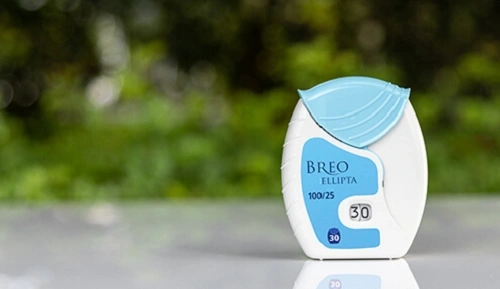
Breo Ellipta is a prescription inhaled medication used to manage asthma and chronic obstructive pulmonary disease (COPD). Searches for the Breo Ellipta lawsuit have increased as patients encounter information about side effects, pharmaceutical litigation, patent disputes, and possible legal claims connected with the drug.
Much of the confusion comes from mixing different legal issues together. People may be looking for a personal-injury lawsuit, class action, settlement amount, eligibility requirements, consumer complaints, or litigation involving the manufacturer and competing pharmaceutical companies.
The legal record requires a more careful distinction. Breo Ellipta has been connected to confirmed intellectual-property litigation, while that does not automatically mean there is a nationwide personal-injury class action for patients. This article explains the current status, known litigation, safety concerns, potential eligibility issues, and what consumers should verify before acting on lawsuit advertisements.
Understanding Why People Search for the Breo Ellipta Lawsuit
People searching for a Breo Ellipta lawsuit are not necessarily looking for the same type of case. Some patients are concerned about adverse effects, while others have encountered advertisements suggesting that compensation may be available.
There is also genuine litigation involving Breo Ellipta. For example, GSK disclosed that it filed a patent and trademark infringement action against Transpire Bio in September 2025 concerning Transpire’s proposed generic version of Breo. The case involves intellectual-property rights rather than a nationwide compensation program for patients allegedly injured by the medication.
Older patent litigation has also involved the Ellipta product line. Vectura sued GSK over technology used in certain inhalers, including Breo, Anoro, and Incruse. A jury returned an $89.7 million verdict in Vectura’s favor in 2019, and the Federal Circuit subsequently considered the patent dispute.
These distinctions matter. A pharmaceutical company being involved in litigation does not, by itself, establish that patients taking the medication have a valid product-liability claim.
What Is Breo Ellipta?
Breo Ellipta is an inhaled prescription medicine containing two active ingredients: fluticasone furoate and vilanterol. Fluticasone furoate is an inhaled corticosteroid, while vilanterol is a long-acting beta2-adrenergic agonist, commonly abbreviated as LABA.
The medication is used for maintenance treatment of asthma and COPD in appropriate patients. It is administered through the Ellipta dry-powder inhaler and is generally used once daily as prescribed.
According to current prescribing information, common adverse reactions vary depending on whether the medication is being used for COPD or asthma. Reported reactions include headache, upper respiratory tract infection, oral candidiasis, bronchitis, cough, sinusitis, and nasopharyngitis. Pneumonia is among the common adverse reactions identified for COPD patients.
These known risks are relevant to patient safety, but the existence of a recognized side effect does not automatically create legal liability. Product-liability cases generally require additional evidence concerning causation, warnings, injury, and applicable law.
Is There a Nationwide Breo Ellipta Class Action Lawsuit?
Based on the current publicly available information reviewed for this article, there does not appear to be an established nationwide personal-injury class action in which Breo Ellipta patients generally can submit claims simply because they used the medication.
That distinction should be emphasized because confirmed litigation involving Breo does exist. The current GSK litigation against Transpire concerns patents, trademarks, trade dress, and a proposed generic version of the medication. It is not a patient injury class action.
The situation can be summarized as follows:
| Question | Current Status |
|---|---|
| Breo-related litigation exists? | Yes |
| Current patent litigation? | Yes |
| Nationwide patient injury class action confirmed? | No established nationwide action identified |
| General patient settlement fund confirmed? | No |
| Automatic compensation for users? | No |
Patients should therefore be cautious when a website uses the general phrase “Breo lawsuit” without identifying the court, case number, defendants, allegations, and type of proceeding.
The Types of Lawsuits Associated With Breo Ellipta
Legal disputes associated with a pharmaceutical product can involve very different areas of law. With Breo Ellipta, intellectual-property disputes are particularly important because patents can affect when competing generic products enter the market.
Other pharmaceutical litigation can involve competition law, consumer-protection statutes, pricing practices, or personal-injury allegations. These categories should not be treated as interchangeable.
For consumers, the key question is who brought the lawsuit and what remedy the plaintiff seeks. A competitor challenging intellectual-property rights is pursuing a fundamentally different case from a patient seeking compensation for an alleged physical injury.
Patent Litigation
Patent litigation is the clearest documented category involving Breo Ellipta.
In August 2025, GSK received a Paragraph IV notice from Transpire Bio concerning Breo. GSK subsequently filed a lawsuit on September 25, 2025, in the U.S. District Court for the Southern District of Florida, alleging that Transpire’s proposed generic product infringed GSK’s patent and other intellectual-property rights.
The case schedule later changed. GSK reported in its first-quarter 2026 results that an amended scheduling order issued on April 8, 2026 moved the trial from November 2, 2026 to September 20, 2027.
Separately, Vectura previously litigated a patent covering technology used in several GSK inhalers, including Breo Ellipta. That litigation resulted in a substantial jury verdict and later appellate proceedings.
Antitrust and Competition Claims
Competition concerns can arise when pharmaceutical patents, generic entry, market exclusivity, or other commercial practices allegedly restrict competition.
In the current Transpire dispute, Transpire has asserted defenses and allegations challenging GSK’s efforts to prevent its proposed generic product from entering the market. A November 2025 court filing includes allegations that GSK sought to maintain its position in the inhaler market and prevent access to less expensive alternatives. Those statements represent Transpire’s litigation position, not a judicial finding that GSK violated antitrust law.
This distinction is critical. Allegations in pleadings are arguments made by parties to litigation. They should not be reported as established facts unless a court makes the relevant findings or the parties resolve the dispute through an agreement establishing specific terms.
Consumer Protection Allegations
Consumer-protection lawsuits in the pharmaceutical industry can involve allegedly deceptive advertising, misleading representations, pricing practices, omissions, or other conduct regulated by state or federal law.
However, a consumer complaint about Breo Ellipta should not automatically be characterized as a filed consumer-protection case. A legally actionable claim generally requires identifiable conduct that violates a particular statute and causes the type of harm recognized under that law.
Patients researching potential claims should therefore look for primary documentation. A genuine lawsuit normally can be connected to a named plaintiff, defendant, court, complaint, docket number, or other verifiable proceeding.
Why Side Effects Generate Legal Interest
Side effects frequently drive searches for pharmaceutical lawsuits because patients may begin investigating legal options after experiencing an unexpected medical problem.
The prescribing information for Breo Ellipta identifies numerous warnings and precautions. Depending on the circumstances, concerns may include pneumonia, oral candidiasis, cardiovascular effects, reduced bone mineral density, glaucoma, cataracts, hypercorticism, adrenal suppression, and other potential complications.
The presence of these warnings does not establish that the manufacturer is legally responsible whenever an adverse event occurs. Drug manufacturers generally have duties involving adequate warnings, manufacturing standards, regulatory compliance, and truthful promotion, but liability depends on the facts and governing law.
A patient considering a product-liability case would typically need evidence connecting a legally actionable defect or inadequate warning to an actual injury. Medical records and expert analysis can become central to that determination.
Breo Ellipta Side Effects Discussed by Patients
Patient experiences can provide useful context, but anecdotal reports should not be treated as proof that a medication caused a particular condition.
Official prescribing information provides a stronger starting point for understanding recognized adverse reactions. For COPD patients, commonly reported reactions include:
- Upper respiratory tract infection
- Headache
- Oral candidiasis
- Back pain
- Pneumonia
- Bronchitis
- Sinusitis
For asthma patients, common reactions include nasopharyngitis, oral candidiasis, headache, influenza, upper respiratory tract infection, bronchitis, sinusitis, throat pain, voice changes, and cough.
More serious potential problems are addressed separately in the medication’s warnings and precautions.
Anyone experiencing new or worsening symptoms should discuss them with a qualified healthcare professional rather than relying solely on reviews, social-media discussions, or lawsuit marketing pages.
Does Breo Ellipta Cause Weight Gain?
Weight gain is a common question because Breo Ellipta contains an inhaled corticosteroid. However, weight gain is not listed among the common adverse reactions in the current prescribing information reviewed for this article.
Corticosteroid exposure can produce systemic effects under some circumstances, particularly when exposure becomes excessive. The Breo prescribing information addresses systemic corticosteroid effects, including hypercorticism and adrenal suppression. That does not mean every change in body weight during treatment was caused by the drug.
Many factors can influence weight, including activity level, diet, other medications, underlying disease, fluid retention, and hormonal conditions.
Patients who experience unexplained or substantial weight changes should discuss them with their healthcare provider. From a legal perspective, establishing causation would require considerably more evidence than showing that weight gain occurred after treatment began.
Breo Ellipta Lawsuit Eligibility: Do You Qualify?
There is currently no general Breo Ellipta settlement program identified here that makes every patient who used the medication automatically eligible for compensation.
If an individual believes the medication caused a serious injury, an attorney evaluating a potential product-liability case may examine factors such as:
- The diagnosed medical injury
- When Breo Ellipta treatment began and ended
- Dosage and treatment history
- When symptoms first appeared
- Other medications and medical conditions
- Whether the alleged risk was adequately disclosed
- Evidence connecting the drug to the injury
- The applicable statute of limitations
Eligibility is therefore highly fact-specific.
Using Breo Ellipta, experiencing a listed side effect, or reading about litigation online does not independently establish a compensable claim. An attorney would need to determine whether the evidence supports a recognized legal theory under the law applicable to the patient.
Current Breo Ellipta Lawsuit Update
As of the latest public information reviewed in 2026, one important active development concerns GSK’s litigation against Transpire Bio over a proposed generic Breo product.
GSK received Transpire’s Paragraph IV notice in August 2025 and filed its patent and trademark action the following month. GSK’s initial 2026 reporting stated that trial was scheduled for November 2, 2026.
That date subsequently changed. On April 8, 2026, the court issued an amended scheduling order moving the trial to September 20, 2027, according to GSK’s first-quarter results.
Importantly, this proceeding concerns intellectual-property rights associated with a proposed generic. It should not be interpreted as confirmation of a mass-tort proceeding or nationwide patient compensation program.
Legal status can change as cases progress, so readers researching a specific claim should verify recent court records rather than relying on older lawsuit summaries.
Are There Any Breo Ellipta Settlement Amounts?
No verified nationwide patient-injury settlement fund or standard Breo Ellipta payout schedule has been identified in the sources reviewed for this article.
That means figures advertised online as an expected “Breo Ellipta settlement amount” should be treated cautiously unless they are tied to an identifiable court proceeding, settlement agreement, or documented resolution.
Past litigation involving Breo has produced substantial monetary outcomes, but those amounts may involve entirely different legal claims. For example, Vectura obtained an $89.7 million jury verdict in 2019 in patent litigation involving Breo, Anoro, and Incruse inhalers. That was an intellectual-property dispute between companies—not compensation awarded to Breo patients for medical injuries.
If individual injury lawsuits eventually produce settlements, potential values would depend on factors such as injury severity, causation evidence, medical expenses, lost income, applicable law, and the strength of each claim. There is no reliable universal payout figure simply based on medication use.
How Courts Evaluate Pharmaceutical Injury Claims
A pharmaceutical injury case generally involves more than proving that a person took a medication and later developed a health problem.
Courts examine the legal theory asserted, medical evidence, warnings provided with the product, expert testimony, regulatory history, and individual circumstances. Requirements also vary significantly by jurisdiction.
The following factors often become particularly important.
Medical Causation
Causation addresses whether the medication actually caused or materially contributed to the alleged injury.
Timing can be relevant, but timing alone usually does not prove causation. Courts may consider medical records, scientific research, alternative explanations, dosage, duration of exposure, and expert testimony.
A plaintiff may also need to distinguish general causation from specific causation. General causation asks whether the drug is capable of causing the type of injury alleged. Specific causation asks whether it caused the particular plaintiff’s injury.
That evidentiary distinction can determine whether a pharmaceutical case survives significant pretrial challenges.
Warning Labels
Failure-to-warn claims often focus on whether the manufacturer adequately communicated a material drug risk.
The analysis may include the prescribing information available when treatment occurred, what scientific evidence existed at that time, what regulators required, and whether a different warning would have affected the prescribing decision.
Breo Ellipta’s current labeling contains extensive warnings, precautions, adverse-reaction information, and instructions for use.
The existence of a warning can therefore become important evidence, although its legal significance depends on the precise injury, timing, jurisdiction, and theory asserted.
Regulatory Compliance
FDA approval and regulatory compliance are important considerations in pharmaceutical litigation, but their legal effect varies depending on the claim and applicable law.
Courts may examine the drug’s approved labeling, regulatory communications, post-market safety information, and whether a manufacturer could legally have provided a different warning.
Regulatory compliance should not be oversimplified as automatically proving or disproving liability.
Instead, it becomes one component of a broader legal analysis involving federal regulatory requirements, state product-liability law, the evidence available to the manufacturer, and the allegations made by the plaintiff.
Individual Medical History
Medical history can significantly affect a pharmaceutical injury case.
Attorneys and medical experts may review pre-existing respiratory disease, cardiovascular conditions, previous infections, other prescriptions, smoking history, age, treatment duration, and other potential causes of the alleged injury.
These details matter because defendants may argue that another condition or exposure caused the patient’s symptoms.
Likewise, plaintiffs may use medical records to establish that an injury appeared after treatment and is consistent with a medically recognized adverse effect. The strength of either argument depends on the individual evidence rather than a generalized online report.
What Patients Should Know Before Believing Online Lawsuit Advertisements
Legal advertisements can make a developing pharmaceutical issue appear more established than the public court record actually shows.
Before providing personal or medical information, consumers should determine whether an advertisement identifies an actual law firm and explains what type of claim is being investigated.
Useful questions include:
- Is there an identifiable filed lawsuit?
- Which court is handling the case?
- Is the advertisement discussing an investigation or an existing case?
- Is there a confirmed settlement?
- Is compensation guaranteed or merely described as possible?
- Does the advertiser explain attorney fees and representation terms?
A legitimate investigation can occur before widespread litigation develops, so the absence of a class action does not necessarily make every advertisement improper.
The key is precision. “Investigating potential claims” and “a settlement is available” mean very different things. Consumers should be skeptical when those distinctions are blurred.
How Breo Ellipta Reviews Compare With Legal Claims
Online reviews can reveal how individual patients perceive a medication, including concerns about effectiveness, inhaler use, cost, or adverse effects.
Reviews cannot establish legal causation, however. A patient reporting pneumonia, weight changes, coughing, or another symptom after using a medication does not prove that the drug caused that condition.
Legal claims require evidence.
For product-liability litigation, that evidence can include medical records, prescribing history, diagnostic testing, scientific literature, expert testimony, warning labels, and documentation showing when symptoms developed.
Reviews are therefore best understood as anecdotal experiences rather than legal findings. Patients researching Breo should give greater weight to prescribing information, healthcare professionals, regulatory information, peer-reviewed medical evidence, and verifiable court documents.
Could Future Lawsuits Develop?
Yes. Future litigation is always possible, but possibility should not be reported as an existing lawsuit.
New pharmaceutical cases can develop when additional safety evidence emerges, regulators identify previously unknown risks, manufacturers change warnings, scientific studies establish new associations, or plaintiffs develop evidence supporting a particular legal theory.
Competition and intellectual-property disputes may also continue as generic manufacturers seek market entry.
For Breo specifically, current confirmed litigation involving Transpire demonstrates that commercial disputes surrounding generic competition remain relevant. The trial in that proceeding has been rescheduled to September 2027.
Whether separate patient injury litigation becomes widespread will depend on evidence that has not yet been established merely by existing side-effect reports. Readers should distinguish predictions about future cases from lawsuits actually appearing on court dockets.
What Patients Should Do If They Experience Serious Side Effects
A serious medical concern should first be treated as a healthcare issue rather than a legal one.
Patients should seek appropriate medical attention and avoid changing or stopping prescribed treatment solely because of information found in a lawsuit article. Changes to asthma or COPD treatment can carry their own risks and should be discussed with the prescribing clinician.
Patients may also want to:
- Keep copies of medical and pharmacy records.
- Document when symptoms began.
- Record Breo Ellipta treatment dates and dosage.
- Discuss suspected reactions with a healthcare professional.
- Report suspected adverse events through appropriate regulatory channels.
- Preserve medication packaging and prescription information when relevant.
- Consult a qualified attorney if a significant injury may involve a legal claim.
The prescribing information directs suspected adverse reactions to GSK or the FDA’s MedWatch reporting system.
Medical treatment and legal evaluation are separate processes. Reporting an adverse event does not itself establish that the medication caused the condition or that compensation is available.
Read: Mallinckrodt Adderall Lawsuit
Read: Kindig-It Lawsuit
Read: What Does Sustained Mean in Court?
Read: Emuaid Lawsuit
Read: Bravenly Global Lawsuit
Read: Cora Tampons Lawsuit
Read: Exploring CNLawBlog
Frequently Asked Questions
Is there currently a Breo Ellipta lawsuit?
Yes, confirmed litigation has involved Breo Ellipta, including patent disputes. However, the current documented GSK-Transpire case concerns intellectual-property rights and generic competition rather than a nationwide patient personal-injury class action.
Is there a Breo Ellipta class action for side effects?
No nationwide personal-injury class action for Breo patients was identified in the current sources reviewed. Consumers should verify advertisements carefully because commercial, patent, and individual injury litigation are legally distinct.
Has a Breo Ellipta settlement been reached?
No general patient settlement fund or standardized injury payout has been identified here. Previous monetary outcomes involving Breo include intellectual-property litigation and should not be confused with compensation for patients.
How much could a Breo Ellipta settlement be worth?
There is no reliable standard settlement value. If viable personal-injury claims develop, potential compensation would depend on injury severity, causation, medical expenses, lost income, jurisdiction, available defenses, and supporting evidence.
Can I sue if I experienced Breo Ellipta side effects?
Potentially, but experiencing an adverse event does not automatically create a viable lawsuit. An attorney would need to assess causation, warnings, medical history, damages, applicable product-liability law, and filing deadlines.
Does Breo Ellipta cause pneumonia?
Pneumonia is identified among common adverse reactions for COPD patients in current prescribing information. Individual causation still requires medical evaluation because numerous health factors can contribute to pneumonia.
Final Thoughts
The current Breo Ellipta lawsuit landscape requires careful separation between confirmed litigation and speculation about patient compensation. Breo has been involved in genuine intellectual-property disputes, including previous Vectura litigation and GSK’s ongoing case concerning Transpire’s proposed generic product.
That record does not establish a nationwide personal-injury class action or a general settlement program for everyone who has taken Breo Ellipta. Likewise, documented side effects should not automatically be interpreted as evidence of manufacturer liability.
Patients experiencing serious medical problems should prioritize appropriate healthcare and preserve relevant treatment records. Anyone considering a legal claim should verify current court information and obtain advice based on their individual circumstances. Pharmaceutical liability ultimately depends on evidence—including causation, warnings, medical history, damages, and applicable law—not simply on medication use or online reports.
This article provides general informational content and is not medical or legal advice.