
Rael is a feminine-care brand known for period products marketed with organic-cotton and wellness-focused messaging. Interest in the Rael Pads Lawsuit has grown as consumers encounter online claims involving product ingredients, PFAS, organic labeling, class actions, and possible compensation.
The difficulty is that several different issues are often blended together. Consumers searching for a settlement amount, claim form, deadline, or payout may be seeing information that does not match the actual litigation involving Rael.
As of August 2026, the most significant confirmed case involving Rael pads concerns California organic-labeling law, not a court finding that Rael pads are unsafe because of PFAS. The California Supreme Court granted review in March 2026, and no nationwide consumer settlement or court-approved Rael pads claims program has been announced.
What Is the Rael Pads Lawsuit?
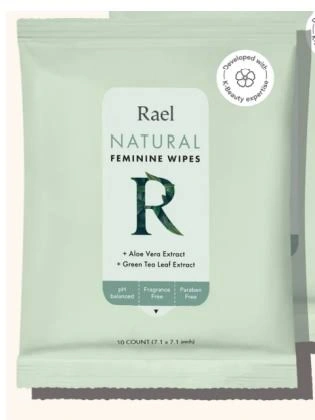
The phrase Rael Pads Lawsuit is frequently used online as though it describes one nationwide product-safety class action. The public court record is more specific.
A confirmed case, Environmental Democracy Project v. Rael, Inc., challenges the way certain feminine hygiene products were marketed as “organic” or as containing organic materials. The plaintiff, Environmental Democracy Project (EDP), alleges that products including pads, panty liners, and period underwear did not satisfy requirements it says apply under California’s Organic Food and Farming Act (COFFA).
The Alameda County Superior Court initially ruled for Rael, concluding that the organic-products law did not apply to these personal-care products. In November 2025, the California Court of Appeal reversed that ruling and held that COFFA could apply to the products at issue.
That appellate decision did not establish that Rael ultimately violated the law. The California Supreme Court granted Rael’s petition for review on March 18, 2026, making the scope of COFFA as applied to personal-care products the central unresolved legal question.
How the Rael Organic Pads Class Action Began
The organic-labeling dispute arose from EDP’s allegations concerning Rael products sold or advertised with terms such as “organic” and “made with organic” ingredients.
According to the appellate opinion, EDP alleged that certain products did not contain the percentages of certified organic material that it contends California law requires for such representations. The complaint sought injunctive relief aimed at Rael’s sale and marketing practices.
Importantly, this case should not automatically be characterized as an established nationwide consumer class-action settlement. The litigation has centered on statutory interpretation and labeling requirements, and the California Supreme Court is reviewing whether COFFA applies to personal-care products marketed as organic.
This distinction matters because search results about a “Rael class action” can create the impression that purchasers have already been certified as settlement class members. Current public information does not establish such a nationwide compensation program.
PFAS in Rael Pads: What the Lawsuit Actually Claims
PFAS have become a major consumer concern across cosmetics, clothing, food packaging, and menstrual products. These chemicals are often described as “forever chemicals” because some persist for long periods in the environment.
However, the confirmed organic-labeling litigation against Rael should not be rewritten as a proven PFAS contamination lawsuit.
The complaint described in the published California appellate decision concerns representations that products were organic or made with organic ingredients and whether those representations comply with California law. It does not establish a judicial finding that Rael pads contain dangerous levels of PFAS.
Consumers should therefore separate broader PFAS discussions about menstrual products from the specific claims actually before the courts.
Why PFAS Became Part of the Legal Claims
PFAS concerns appear prominently in online discussion because chemical testing and ingredient transparency have become significant issues throughout the personal-care industry.
That broader conversation can easily become attached to brands already facing unrelated litigation. A consumer may see “Rael lawsuit,” “period products,” and “PFAS” discussed on different websites or social platforms and assume they refer to one court case.
Legally, that assumption is unsafe. A PFAS allegation, an independent laboratory result, an organic-labeling claim, and a judicial determination are four different things.
For the confirmed Rael organic-labeling case, the central issue accepted for review by the California Supreme Court is whether COFFA applies to personal-care products marketed as organic.
What Ingredients Are Used in Rael Pads?
Rael sells multiple types of menstrual pads, so product composition can vary according to the particular style, absorbency, and version purchased.
The litigation itself illustrates why consumers should distinguish between an organic component and an entire finished product. EDP’s complaint alleged that Rael made organic-related representations about products that also contained nonorganic or nonagricultural components.
In practical terms, consumers should read the packaging and current manufacturer specifications for the exact product rather than assuming that “organic cotton” means every material in a disposable pad is certified organic.
This distinction is also relevant legally. The dispute concerns what California organic-labeling rules require when products contain organic ingredients alongside other materials.
Product formulations and packaging can change, so current labels are a better source for a specific pad’s composition than older social-media posts or generalized ingredient lists.
What Was the Rael Lawsuit About Specifically?
The most important confirmed Rael case is specifically about organic marketing and the scope of California organic-labeling law.
EDP alleged that Rael sold certain feminine hygiene products as organic or as containing organic ingredients even though, according to the complaint, the products did not meet the organic-content requirements EDP believes COFFA imposes.
Rael disputed the applicability of that law to its personal-care products. The trial court accepted Rael’s legal position and entered judgment on the pleadings.
The Court of Appeal disagreed and reversed. It interpreted COFFA broadly enough to encompass personal-care products sold as organic. Rael then sought California Supreme Court review.
The Supreme Court granted review but has not, based on the current public docket information reviewed for this article, issued a final merits ruling resolving the dispute.
Who Qualifies for the Rael Lawsuit?
At present, there is no confirmed nationwide Rael pads settlement class with an official consumer qualification process.
That means purchasing Rael pads does not, by itself, establish that someone is currently entitled to compensation.
If litigation eventually produces a consumer settlement, eligibility would depend on the definition approved by the court. Relevant factors could include the products purchased, purchase dates, jurisdiction, and whether proof of purchase is required.
Consumers should be particularly cautious with webpages or social posts claiming that “everyone who purchased Rael pads qualifies.” Without a court-approved settlement notice or administrator, such language can be misleading.
For now, consumers interested in the case can follow the official California appellate docket for developments in Environmental Democracy Project v. Rael, Supreme Court case S294668.
Rael Lawsuit Eligibility Requirements Explained
There are currently no official settlement eligibility requirements for a nationwide Rael pads payout because no such settlement program has been confirmed.
If a future settlement creates a consumer claims process, requirements could potentially address:
- Which Rael products are covered.
- The applicable purchase period.
- Where qualifying purchases occurred.
- Whether receipts or other proof are necessary.
- How many claims one household may submit.
- Whether particular representations appeared on the purchased packaging.
Those are examples of common settlement criteria, not current requirements for this litigation.
Eligibility should ultimately be determined from a court-approved notice, settlement agreement, or administrator website. Consumers should not provide sensitive personal or financial information to an unofficial website merely because it claims to offer access to Rael compensation.
How Much Is the Rael Lawsuit Settlement Amount?
As of August 2026, there is no confirmed nationwide settlement amount for the Rael pads litigation discussed here.
The California Supreme Court case remains focused on whether California’s Organic Food and Farming Act applies to personal-care products marketed as organic. The court granted review in March 2026.
Because there is no court-approved consumer settlement fund identified in the current case record, figures circulating online should not be treated as established Rael settlement amounts.
A genuine class-action settlement normally produces identifiable documentation covering the total settlement fund, attorney fees, administrative expenses, class definition, claim procedures, deadlines, and method of calculating individual benefits.
Until comparable official documentation exists for Rael purchasers, a specific payout estimate would be speculative.
How Much Will You Get From the Rael Lawsuit?
There is currently no verified individual payout amount.
How much a consumer receives in a class action normally depends on the settlement structure. Some settlements provide a fixed cash payment, while others calculate compensation according to the number of products purchased, documented losses, available receipts, or the total number of valid claims.
None of those calculations can responsibly be applied to Rael pads without an approved settlement.
Consumers should therefore be skeptical of websites presenting specific dollar amounts as guaranteed payouts. An estimate is not the same as a court-approved benefit.
If compensation becomes available later, the settlement administrator’s official notice should explain exactly how payments are calculated.
When Will You Receive Your Rael Settlement Check?
No verified Rael pads settlement-check mailing date has been established because there is no confirmed court-approved nationwide consumer settlement for the litigation discussed here.
Settlement checks generally come much later in class-action proceedings. A court normally must first approve a settlement, notice must be distributed, consumers must receive an opportunity to submit claims or objections, and the administrator must process eligible claims.
Appeals can delay payments further.
In Rael’s current organic-labeling litigation, the California Supreme Court granted review in March 2026. The matter therefore remains in active appellate proceedings rather than the settlement-distribution stage.
Any website publishing an exact “Rael settlement check date” should be verified against official court documents before the date is relied upon.
How to File a Rael Pads Lawsuit Claim
There is currently no confirmed court-approved Rael pads settlement claim process for consumers to complete.
If a legitimate claims program is created later, consumers would ordinarily receive instructions from a settlement administrator or through a court-approved settlement website.
A typical process may involve:
- Confirming that the purchased product falls within the class definition.
- Checking the eligible purchase period.
- Gathering receipts or other records if required.
- Completing the official claim form.
- Certifying that the information provided is accurate.
- Submitting the claim before the court-approved deadline.
Consumers who believe they suffered an individual injury or financial loss can also consult a qualified attorney about their circumstances. Filing an individual lawsuit is different from submitting a claim in an approved class-action settlement.
What Is the Rael Lawsuit Claim Form and How Do You Complete It?
No verified nationwide Rael pads settlement claim form is currently available for the organic-labeling case.
A legitimate claim form generally comes from a court-authorized settlement administrator after preliminary approval of a class-action settlement. It typically asks for contact information, purchase details, and any documentation required under the settlement agreement.
Consumers should verify several details before submitting information:
- The case name and court.
- The official settlement administrator.
- The settlement agreement.
- The court-approved deadline.
- The privacy and contact information provided by the administrator.
A generic online form mentioning the Rael lawsuit does not establish that a settlement exists.
Until an official claims process is approved, there is nothing consumers need to submit merely to preserve eligibility for a nonexistent nationwide settlement fund.
Rael Class Action Deadline 2026: Do Not Miss This Date
There is no confirmed 2026 consumer claim deadline for a nationwide Rael pads class-action settlement.
This point is important because deadline-driven headlines can encourage users to submit personal information before confirming whether a claims program is legitimate.
The current California Supreme Court docket shows that review in Environmental Democracy Project v. Rael was granted on March 18, 2026. The case concerns whether COFFA applies to personal-care products marketed as organic.
That is not the same as a settlement administrator announcing a deadline for consumer compensation.
If a settlement eventually occurs, official notices should identify separate deadlines for claims, exclusions, and objections. Until then, consumers should not treat an unofficial date as binding.
Rael Lawsuit Settlement Date 2026: What the Timeline Looks Like
The confirmed litigation has gone through several significant stages:
| Date | Development |
|---|---|
| March 2024 | Alameda County Superior Court judgment became the subject of EDP’s appeal. |
| November 26, 2025 | California Court of Appeal reversed the trial court ruling. |
| December 18, 2025 | Court of Appeal modified its opinion and denied rehearing without changing the judgment. |
| January 5, 2026 | Rael filed a petition for California Supreme Court review. |
| March 18, 2026 | California Supreme Court granted review. |
| August 2026 | No nationwide consumer settlement date has been confirmed. |
The appellate history is documented in California court records.
A settlement could theoretically occur during litigation, but there is no basis for assigning a definite 2026 settlement date unless the parties and court formally announce one.
Rael Lawsuit Update 2026: Where Things Stand Right Now
The major 2026 development is the California Supreme Court’s decision to review Environmental Democracy Project v. Rael.
The Court of Appeal had ruled in November 2025 that COFFA applies to products sold as organic or containing organic materials, including the feminine hygiene products involved in the case.
Rael petitioned for review, and the California Supreme Court granted that request on March 18, 2026. The Supreme Court identifies the issue as whether COFFA applies to personal-care products marketed as organic.
That procedural posture is significant. It means the legal interpretation at the center of the dispute remains under review.
For consumers, the practical takeaway is simpler: there is no confirmed nationwide Rael pads settlement, payout schedule, or court-approved claim form based on the current public information reviewed here.
Rael Class Action Status: Is the Case Still Active?
Yes, the confirmed organic-labeling litigation remains active at the California Supreme Court level.
The Supreme Court docket lists Environmental Democracy Project v. Rael as case S294668 and records the March 18, 2026 order granting review.
However, calling the matter simply a “Rael pads class action” can obscure what the case actually involves. EDP’s litigation is an action challenging organic-related marketing under California law, and the central appellate issue concerns the statutory reach of COFFA.
The current proceedings do not establish a nationwide settlement class of Rael customers.
That distinction is especially important for users searching “who qualifies,” “how much will I get,” or “where is the claim form.” Those questions presume a compensation process that has not been confirmed.
The Rael Feminine Hygiene Lawsuit and What It Means for Consumers
The litigation highlights a broader consumer-law question: what does an organic representation communicate when a personal-care product contains both organic and nonorganic materials?
EDP alleges that California organic standards restrict the circumstances in which products can be sold as organic or described as made with organic materials. Rael disputed whether COFFA applies to feminine hygiene products in the first place.
The California Supreme Court’s eventual interpretation could therefore matter beyond one brand. Its ruling may clarify how California organic-labeling law applies to personal-care products generally.
For consumers, the case is also a reminder to distinguish between ingredient-specific claims and whole-product claims.
A statement concerning an “organic cotton” component does not necessarily mean every component of a finished menstrual product is organic. Exactly how the law treats such representations is part of the larger legal controversy.
Rael Pads Reviews and Consumer Experiences
Online reviews can provide useful information about how consumers experience a product, but reviews are not equivalent to evidence establishing legal liability.
Users may discuss comfort, absorbency, fit, adhesive performance, skin sensitivity, packaging, materials, or their reasons for choosing organic-cotton products.
Those experiences can identify recurring consumer concerns, but individual reviews cannot prove that a product violates labeling law or contains a particular chemical.
When evaluating reviews in light of the lawsuit, readers should separate three categories:
- Personal product experiences.
- Allegations made in legal proceedings.
- Facts established through court rulings or reliable testing.
The Rael litigation currently provides an example of why that separation matters. The confirmed appellate dispute is primarily about organic marketing and statutory coverage, not a judicial determination that consumer complaints prove the pads are unsafe.
Rael Pads Lawsuit Reddit Discussions
Reddit discussions can help explain why searches surrounding Rael pads, PFAS, ingredients, organic claims, and lawsuits have increased.
However, Reddit posts are user-generated discussions rather than court records. Posters may confuse Rael with another feminine-care brand, interpret independent testing incorrectly, or repeat settlement information without identifying its source.
Claims about a payout, class-action deadline, chemical exposure, or settlement should therefore be verified independently.
The strongest source for the present legal status is the California Supreme Court docket, which confirms that review was granted in Environmental Democracy Project v. Rael in March 2026.
Reddit can provide consumer sentiment. It should not be used as the sole source for determining whether someone qualifies for compensation or whether a court has established a product defect.
Rael Pads Lawsuit Outcome Explained
There is no final overall outcome to report yet in the active organic-labeling litigation.
The trial court initially entered judgment in Rael’s favor based on its interpretation that COFFA did not cover the feminine hygiene products involved. The California Court of Appeal reversed that decision in November 2025.
Rael then sought review from California’s highest court.
On March 18, 2026, the California Supreme Court granted review. The pending legal issue concerns whether COFFA applies to personal-care products marketed as organic.
Therefore, it would be inaccurate to say either that Rael has finally “won” the dispute or that plaintiffs have conclusively established liability.
The appellate ruling advanced the plaintiff’s position, but the Supreme Court review means an important underlying legal question remains unresolved.
Cora Pads Lawsuit Comparison
Consumers sometimes search for Rael and Cora together because both brands operate in the menstrual-care market and emphasize product materials and cotton-related characteristics.
That similarity does not mean litigation or allegations involving one company automatically apply to the other.
A useful comparison requires examining the actual complaint, defendant, product, jurisdiction, alleged conduct, and procedural status in each case. Even two lawsuits involving the word “organic” could rest on different statutes or advertising representations.
For Rael, the confirmed California case specifically addresses organic marketing and whether COFFA applies to personal-care products.
Consumers should therefore avoid transferring PFAS allegations, settlements, testing results, or compensation figures from Cora—or any other menstrual-product company—to Rael without evidence linking those facts to the Rael litigation.
Read: Janice Griffith Lawsuit
Read: Blind Frog Ranch Lawsuit
Read: Sierra Mist Lawsuit
Read: 100 Day Dream Home Lawsuit
Read: Breo Ellipta Lawsuit
Read: Mallinckrodt Adderall Lawsuit
Read: Kindig-It Lawsuit
FAQs
Is there really a Rael Pads Lawsuit?
Yes. Rael is involved in confirmed litigation concerning organic-related marketing of feminine hygiene products. The California Supreme Court granted review of the organic-labeling case in March 2026.
Is the Rael lawsuit about PFAS?
The confirmed California appellate case centers on organic-labeling requirements. Current court records do not establish a judicial finding that Rael pads contain harmful PFAS or that PFAS caused consumer injuries.
Has a Rael pads settlement been reached?
No nationwide consumer settlement has been confirmed in the litigation discussed here as of August 2026. The organic-labeling dispute remains under review by the California Supreme Court.
Can I submit a Rael lawsuit claim form?
There is currently no confirmed court-approved nationwide claim form for Rael pad purchasers. Verify any form against court records and an authorized settlement administrator before providing personal information.
Who qualifies for compensation from Rael?
No nationwide settlement class has been established that currently provides compensation to Rael pad purchasers. Eligibility requirements would become meaningful only if a court-approved settlement or claims program is created.
When is the Rael class action deadline?
No verified 2026 consumer claim deadline has been announced for the active organic-labeling litigation. Any deadline circulating online should be checked against official court or settlement-administrator information.
Final Thoughts
The Rael Pads Lawsuit is best understood by separating confirmed court proceedings from broader online discussion. The significant active litigation concerns allegations about organic-related product marketing and the legal reach of California’s organic-products law. The California Court of Appeal revived the case, and the California Supreme Court granted review in March 2026.
At the same time, there is no confirmed nationwide settlement fund, consumer payout amount, claim form, or 2026 claims deadline based on the current public record. PFAS discussions should also not be presented as though a court has already established harmful contamination in Rael pads.
Consumers following the dispute should rely on official court records for major developments and treat social-media payout claims cautiously. Whether Rael ultimately faces liability will depend on the applicable law, evidence, and future court decisions—not simply the existence of allegations.