
Mallinckrodt’s generic amphetamine products have drawn online discussion from patients who describe changes in effectiveness, consistency, or tolerability. That interest has also fueled searches for a Mallinckrodt Adderall lawsuit, particularly among people trying to determine whether individual complaints have developed into a major product-liability case.
The legal picture is more complicated than the search term suggests. Consumer reports about medication performance, generic-drug antitrust litigation involving amphetamine salts, Mallinckrodt’s separate bankruptcy proceedings, and the company’s historical generic Concerta controversy can easily become mixed together online.
This article separates those issues. It examines the current lawsuit status, reported complaints, generic-drug standards, price-fixing allegations, side effects, bankruptcy history, settlement questions, and what patients should consider if they believe they experienced a medication-related problem.
Why Is the Mallinckrodt Adderall Lawsuit Receiving Attention?
Interest in the Mallinckrodt Adderall lawsuit appears to be driven largely by patients searching for explanations after perceiving differences between generic manufacturers. Online discussions may describe one version of mixed amphetamine salts as less effective, shorter-lasting, or associated with different unwanted effects.
Those reports matter as patient experiences, but they should not automatically be interpreted as proof of a defective medication. A product-liability lawsuit ordinarily requires evidence connecting a legally actionable defect or failure to warn with a specific injury.
Another source of confusion is separate generic-drug antitrust litigation. Plaintiffs in multidistrict litigation have alleged that manufacturers conspired over prices for numerous generic drugs. Amphetamine salts, commonly associated with generic Adderall, are among the drugs discussed in those allegations. Court filings allege that Mallinckrodt entered the generic Adderall immediate-release market in 2014.
That antitrust litigation concerns alleged pricing conduct. It should not be treated as proof that Mallinckrodt’s tablets were medically ineffective, contaminated, improperly formulated, or otherwise defective.
Current Status of the Lawsuit
As of 2026, consumers searching this phrase should distinguish between a dedicated Adderall product-defect lawsuit and broader litigation involving generic pharmaceuticals.
Publicly accessible antitrust filings do contain allegations concerning amphetamine salts. Plaintiffs have alleged a conspiracy to fix, raise, maintain, or stabilize prices of certain immediate-release tablets and extended-release capsules. Mallinckrodt is identified in the litigation in connection with the generic immediate-release market.
However, those allegations do not establish a nationwide finding that Mallinckrodt generic Adderall was therapeutically defective.
| Issue | Current Context |
|---|---|
| Consumer effectiveness complaints | Reported experiences do not by themselves establish a defect |
| Amphetamine-salts antitrust litigation | Price-related allegations appear in generic-drug litigation |
| Nationwide Adderall defect settlement | No verified global settlement identified |
| Mallinckrodt bankruptcy | Primarily associated with other major liabilities, including opioid matters |
| Generic Concerta controversy | Separate drug and separate regulatory issue |
Anyone evaluating a potential claim should therefore identify the specific case, product, manufacturer, and legal theory rather than relying on the broad search phrase alone.
What Are Consumers Alleging?
Consumer discussions about Mallinckrodt-manufactured amphetamine products tend to focus on perceived therapeutic differences rather than one uniform allegation.
Some patients report that a prescription seemed different after their pharmacy switched manufacturers. Others describe changes in duration, symptom control, or side effects.
Commonly discussed concerns include:
- medication seeming less effective than a previous generic;
- effects reportedly wearing off sooner than expected;
- perceived differences between manufacturers;
- new or more noticeable adverse effects; and
- uncertainty about whether inactive ingredients affect tolerability.
These experiences may justify a discussion with a prescriber or pharmacist. They do not, without additional evidence, establish that a manufacturer violated FDA requirements or is legally liable.
Reduced Effectiveness
One frequently reported concern is that a generic medication does not seem to control symptoms as effectively as a version obtained previously.
Several factors can complicate that observation. Changes in sleep, diet, other medications, health status, dosing schedule, tolerance, or the underlying condition can affect how a patient perceives treatment.
Generic drugs nevertheless must satisfy FDA approval requirements. FDA states that an approved generic must provide the same clinical benefit as its brand-name counterpart and must contain the same active ingredient, strength, dosage form, and route of administration.
A perceived loss of effectiveness is therefore a legitimate issue to report, but it is not equivalent to regulatory proof that a particular batch or manufacturer failed applicable standards.
Inconsistent Performance
Some consumers describe what they perceive as inconsistent effects from one prescription fill to another. Manufacturer changes can be particularly noticeable because pharmacies may obtain generic products from different suppliers.
From a legal perspective, proving inconsistent performance would generally require more than personal observation. Relevant evidence could include the medication’s manufacturer, lot information, pharmacy records, laboratory testing, medical documentation, and evidence connecting an alleged problem to an injury.
FDA also conducts post-market surveillance and testing. Its programs may examine drug identity, potency, dissolution, impurities, and other characteristics when concerns warrant investigation.
For patients, documenting exactly which product was dispensed can be more useful than assuming all generic versions came from the same manufacturer.
Unexpected Side Effects
Another concern involves side effects that seem different after a manufacturer change. Amphetamine medications can cause recognized adverse reactions even when properly manufactured and used as prescribed.
A new symptom does not necessarily demonstrate that the product was defective. Differences in individual response, dose, interactions, underlying health conditions, and other variables may matter.
Patients experiencing unexpected or significant effects should contact a healthcare professional rather than changing the dose independently. Serious reactions may also be reported through appropriate FDA safety-reporting channels.
For legal purposes, medical records documenting when symptoms began, what medication was taken, and what treatment was required can become important if an individual later evaluates a potential claim.
Does a Consumer Complaint Automatically Mean the Medication Was Defective?
No. A consumer complaint is evidence that someone experienced or perceived a problem, but it does not independently prove a manufacturing defect, design defect, labeling violation, or failure to meet FDA standards.
Regulators receive adverse-event and product-quality reports for many approved medications. Those reports can provide safety signals that warrant investigation, but causation must still be evaluated.
FDA explains that it investigates reports involving negative effects and may take action when evidence supports changes to manufacturing, labeling, or use. At the same time, approved generic drugs must meet federal requirements concerning active ingredients, strength, quality, purity, stability, and manufacturing standards.
In litigation, the evidentiary burden is also different from posting a review. A claimant may need medical evidence, product identification, expert testimony, testing data, and proof of damages depending on the cause of action and jurisdiction.
Do Not Confuse Mallinckrodt Adderall With the Generic Concerta Issue
This distinction is particularly important.
Mallinckrodt previously faced FDA scrutiny involving its generic version of Concerta, which contains methylphenidate hydrochloride. Concerta is not Adderall, and methylphenidate is not the same active medication as mixed amphetamine salts.
FDA received reports of insufficient therapeutic effect involving Mallinckrodt’s generic Concerta and later determined that the product did not satisfy revised bioequivalence criteria. FDA changed its therapeutic-equivalence rating and proposed withdrawing approval of affected products.
That history is sometimes cited in online discussions about Mallinckrodt medications generally. It should not be presented as an FDA finding that Mallinckrodt’s generic Adderall had the same bioequivalence problem.
Conflating the two products can create a materially inaccurate picture of the current legal issue.
Understanding Generic Adderall Quality Standards
FDA-approved generic drugs are not exempt from quality requirements simply because they cost less or are produced by a different manufacturer.
According to FDA, an approved generic generally must have the same active ingredient, strength, dosage form, and route of administration as its reference drug. Manufacturers must also meet applicable manufacturing and quality standards.
Inactive ingredients can sometimes differ. Tablet appearance, coloring, fillers, or other non-active components may therefore vary between manufacturers while the product remains an approved generic.
Bioequivalence is another central concept. Generic applicants generally must demonstrate that their products perform sufficiently similarly to the reference medication under FDA standards.
These requirements do not mean every patient will describe an identical subjective experience with every manufacturer. Individual response can vary.
At the same time, FDA approval does not prevent regulators from investigating later complaints. Post-market reports, inspections, laboratory testing, recalls, and other surveillance mechanisms continue after a drug reaches consumers.
Mallinckrodt Adderall Quality Concerns in 2026
The key issue in 2026 is separating documented regulatory findings from anecdotal reports.
Patients may encounter online reviews alleging reduced effectiveness or differences after receiving a Mallinckrodt product. Such reports can be useful signals for patients, physicians, pharmacists, manufacturers, and regulators, particularly when similar concerns appear repeatedly.
But the existence of those reports should not be rewritten as a confirmed FDA determination that Mallinckrodt’s mixed amphetamine salts are broadly defective.
This distinction becomes especially important because the company’s past generic Concerta issue involved a documented FDA bioequivalence concern. That regulatory history concerned methylphenidate extended-release tablets, not generic Adderall.
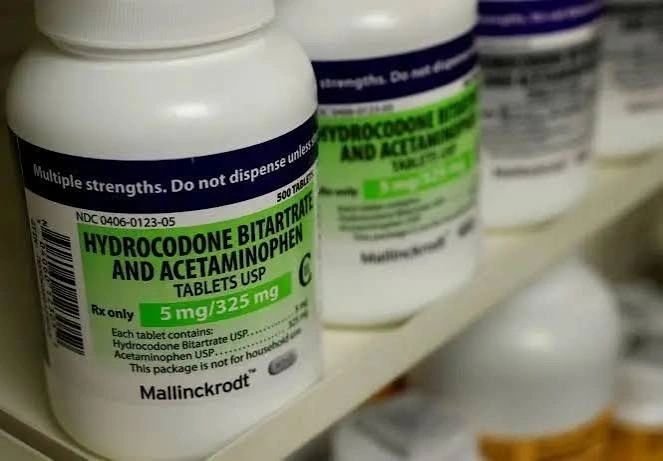
Patients concerned about a specific prescription can check the label or pharmacy records to determine the manufacturer. Keeping the original container and identifying information may also help if a product-quality complaint needs to be investigated.
Generic Drug Price-Fixing Litigation and Amphetamine Salts
One verified legal issue involving amphetamine salts comes from the sprawling generic-pharmaceutical antitrust litigation.
Plaintiffs have alleged that manufacturers participated in arrangements intended to fix, raise, maintain, or stabilize prices across numerous generic medications. In court filings, amphetamine salts are specifically identified among the drugs at issue.
The allegations encompass both immediate-release tablets and extended-release capsules. The complaint states that Mallinckrodt entered the generic Adderall immediate-release market in 2014 and alleges participation in the challenged conduct.
Antitrust allegations focus on competition and pricing. The core question is whether defendants unlawfully coordinated commercial conduct rather than competing independently.
That distinction matters for searchers. A manufacturer can be involved in litigation concerning the price of a drug without that litigation alleging that the drug was chemically defective or therapeutically ineffective.
Is This an Adderall Effectiveness Lawsuit?
No. The generic-drug price-fixing litigation should not be characterized as an Adderall effectiveness lawsuit.
Its amphetamine-salts allegations concern pricing and competition. Plaintiffs allege that manufacturers participated in conduct affecting generic-drug prices.
An effectiveness or product-liability case would involve different factual and legal questions. It might examine whether a medication was improperly manufactured, mislabeled, contaminated, inadequately tested, or otherwise defective and whether that alleged problem caused compensable harm.
Consumers should therefore look at the actual complaint and legal theory before assuming that every case mentioning Mallinckrodt and amphetamine salts validates online reports about medication performance.
Mallinckrodt Adderall Reviews: Why Experiences Differ
Patient reviews can vary dramatically even when people receive medications containing the same active ingredients.
Individual physiology is one reason. Metabolism, sleep, diet, other prescriptions, medical conditions, dosing schedules, and previous stimulant exposure can influence how someone experiences an amphetamine medication.
Pharmacy sourcing can create additional confusion. A patient may receive tablets from one manufacturer during one month and another manufacturer later. Unless the label or pharmacy record is checked, the patient may not immediately recognize that the supplier changed.
Inactive ingredients and physical tablet characteristics may also differ among approved generics.
Reviews are therefore useful for identifying recurring consumer concerns, but they have important limitations. They generally do not control for dose, medical history, adherence, concurrent medications, or other variables.
For legal analysis, reviews are usually a starting point for investigation rather than proof of causation or product defect.
Common Mallinckrodt Adderall Complaints
Online discussions about generic amphetamine products can include several recurring themes.
Reported concerns may include:
- weaker-than-expected symptom control;
- shorter perceived duration;
- different effects after switching manufacturers;
- headaches or gastrointestinal discomfort;
- changes in appetite or sleep;
- anxiety, irritability, or restlessness; and
- difficulty obtaining a preferred manufacturer.
Some of these experiences overlap with known effects associated with stimulant medications generally. That makes medical evaluation important when determining whether a symptom reflects the medication’s expected risk profile, an individual reaction, another health factor, or a potential product-quality concern.
A complaint also becomes more useful for regulatory or legal review when the exact product can be identified. Manufacturer information, strength, dispensing date, National Drug Code where available, and lot or bottle information can help distinguish one product from another.
Mallinckrodt Adderall vs. Teva
Comparisons between Mallinckrodt and Teva appear frequently in patient discussions because pharmacies may dispense different generic manufacturers depending on inventory and contracting arrangements.
Both manufacturer comparisons and patient reviews should be approached cautiously. FDA approval standards apply to generic medications, but individual experiences can still differ.
Perceived Effectiveness
Some patients may report that one manufacturer feels more effective or lasts longer than another.
That subjective experience can be meaningful to the patient and worth discussing with the prescriber. It does not establish that one FDA-approved product is universally stronger, weaker, or defective.
Treatment response is individualized. A physician or pharmacist can evaluate whether dosage, timing, manufacturer changes, drug interactions, or other factors may explain a perceived difference.
Availability
Availability can affect which generic manufacturer a patient receives.
Pharmacies purchase medications through suppliers and wholesalers, and inventory can change. Stimulant availability has also experienced broader supply pressures in recent years, making manufacturer consistency difficult for some patients.
Patients who have questions about a dispensed product can ask their pharmacy to identify its manufacturer. Whether a pharmacy can obtain a preferred generic depends on inventory, supplier relationships, insurance requirements, and other practical factors.
Individual Response
Two patients taking the same dose can experience different therapeutic effects and side effects.
The same person may also perceive differences over time because sleep, stress, diet, health conditions, other medications, and stimulant tolerance can change.
For that reason, a manufacturer comparison should not replace individualized medical guidance. Patients who notice a significant change after a refill can document the manufacturer and symptoms and discuss the pattern with their prescriber or pharmacist.
Mallinckrodt Adderall Side Effects
Mixed amphetamine salts are stimulant medications, and adverse effects can occur regardless of manufacturer.
Potential effects associated with amphetamine stimulant treatment can include reduced appetite, difficulty sleeping, dry mouth, increased heart rate, nervousness, gastrointestinal symptoms, and other reactions described in approved prescribing information.
More serious symptoms require prompt medical evaluation. Patients should follow the medication guide and prescribing instructions supplied with their specific prescription.
The legal distinction is also important. Experiencing a recognized side effect does not automatically establish a lawsuit. Product-liability claims typically require a viable legal theory and evidence connecting the defendant’s alleged conduct or product defect to an injury.
Patients who believe they experienced an adverse event should preserve medication and pharmacy information and discuss the reaction with an appropriate healthcare professional.
Mallinckrodt Adderall Ingredients
Generic Adderall products use mixed amphetamine salts as their active drug components. The formulation is designed to correspond to the active ingredients and strength requirements applicable to the reference medication.
FDA requires approved generic medicines to contain the same active ingredient as the brand-name product and to have the same strength, dosage form, and route of administration.
Inactive ingredients can differ between generic manufacturers. Depending on the particular product, these may include binders, coloring agents, fillers, or other excipients needed to manufacture the tablet.
Anyone concerned about an allergy, sensitivity, or specific ingredient should rely on the labeling for the exact National Drug Code dispensed rather than a generic online ingredient list.
A pharmacist can also help identify the manufacturer and inactive ingredients associated with a specific prescription.
What About Mallinckrodt Adderall XR?
Searchers sometimes use “Mallinckrodt Adderall” broadly without distinguishing immediate-release tablets from extended-release products.
That distinction can be legally and medically significant. Immediate-release and extended-release formulations have different delivery characteristics, and manufacturer histories are not interchangeable.
The generic price-fixing complaint discussing amphetamine salts states that both IR tablets and XR capsules were involved in the broader alleged arrangements, but it specifically identifies Mallinckrodt as entering the generic Adderall IR market in 2014. Other manufacturers are identified as primary XR manufacturers during the relevant period.
Accordingly, a person researching a particular medication should verify whether the prescription was immediate-release or extended-release and identify the actual manufacturer.
That avoids attributing an XR complaint, recall, lawsuit, or regulatory development to Mallinckrodt without supporting product-specific evidence.
Mallinckrodt Bankruptcy and What It Means for Lawsuit Searches
Mallinckrodt has undergone major Chapter 11 restructuring proceedings, including proceedings initiated in 2023.
Its bankruptcy history can affect how claims against the company are handled because bankruptcy can restructure debts, establish claim procedures, discharge certain obligations, and restrict litigation depending on the terms of a confirmed plan.
Mallinckrodt’s public securities filings describe substantial legal issues connected to opioids and Acthar Gel. The company reaffirmed opioid-related operating restrictions in connection with its 2023 bankruptcy proceedings.
The Third Circuit has also addressed disputes arising from Mallinckrodt’s restructuring, including the treatment of royalty obligations involving Acthar Gel.
For someone considering a claim, bankruptcy history can create procedural questions that require individualized legal analysis. The date of an alleged injury and the entity responsible for the product may become particularly important.
Was Mallinckrodt’s Bankruptcy Caused by Adderall Claims?
No evidence reviewed for this article supports describing Mallinckrodt’s bankruptcy as an Adderall-claims bankruptcy.
The company faced major liabilities and financial pressures involving other matters, most notably opioid litigation and Acthar-related issues. Mallinckrodt’s own public disclosures discuss those liabilities in connection with its restructuring history.
That distinction should remain clear. Mallinckrodt’s bankruptcy may be relevant to how certain claims against the company are treated, but its existence does not prove that generic Adderall complaints caused the restructuring.
Consumers researching both subjects should avoid treating temporal overlap as evidence of causation.
Who May Consider Speaking With an Attorney?
Not every medication complaint requires legal representation. However, an attorney consultation may be worth considering when a person believes there is evidence of a serious injury connected to an identifiable product.
Potentially relevant circumstances can include:
- a significant injury requiring medical treatment;
- hospitalization or substantial medical expenses;
- an identifiable Mallinckrodt-manufactured product;
- evidence suggesting a manufacturing or labeling problem;
- preserved medication, packaging, or pharmacy records;
- documented symptoms beginning after use; or
- substantial financial losses connected to the alleged injury.
Whether a viable claim exists depends on facts, applicable state law, causation, statutes of limitation, bankruptcy-related restrictions, and the legal theory being asserted.
An attorney reviewing a potential case would generally need considerably more information than a consumer review or an allegation that a medication “felt different.”
Evidence That May Be Helpful
Documentation can be critical when investigating a pharmaceutical claim because prescriptions may be consumed, discarded, or replaced long before a dispute arises.
Useful records may include:
- prescription and pharmacy records;
- photographs of the medication bottle and label;
- manufacturer and National Drug Code information;
- lot or batch information, if available;
- remaining tablets and original packaging;
- medical records documenting symptoms;
- laboratory or hospital records;
- communications with the pharmacy or prescriber; and
- receipts showing relevant financial losses.
Patients should not alter medication use solely to preserve evidence. Treatment decisions should be made with a healthcare professional.
A contemporaneous timeline can also be useful. Recording when a prescription was filled, when symptoms or effectiveness concerns began, when medical treatment was sought, and whether the manufacturer changed can help professionals evaluate the situation later.
Has There Been a Settlement?
There is an important difference between Mallinckrodt settlements generally and a settlement specifically compensating consumers for alleged defects in generic Adderall.
Mallinckrodt has resolved major litigation through its restructuring history, including opioid and Acthar-related matters. Those resolutions should not be labeled a Mallinckrodt Adderall settlement.
Likewise, broader generic-drug antitrust litigation involving amphetamine salts concerns alleged pricing conduct and should not be confused with a product-effectiveness settlement.
As of 2026, no verified nationwide settlement identified in the sources reviewed here establishes a general compensation fund for consumers merely because they used Mallinckrodt generic Adderall.
That means claims about guaranteed payouts, automatic eligibility, or an established Adderall settlement amount should be treated cautiously unless supported by an identifiable court order or official settlement administrator.
What Patients Should Know Going Forward
Patients who notice a meaningful change in medication effectiveness or side effects should begin with the medical issue rather than the lawsuit question.
Check the prescription label, identify the manufacturer, and discuss the change with a pharmacist or prescribing professional. FDA states that it continues monitoring approved generic medications and can investigate negative side-effect or product-performance reports.
Do not stop, increase, reduce, or otherwise change a prescribed stimulant solely because of online reviews without obtaining appropriate medical advice.
From a legal standpoint, keep the issues separate. Consumer complaints are not the same as regulatory findings. The historical Mallinckrodt Concerta issue is not an Adderall finding. Price-fixing litigation concerns alleged anticompetitive conduct rather than therapeutic effectiveness.
For people who suffered significant harm, preserving product and medical documentation can make later evaluation considerably easier.
Read: Cora Tampons Lawsuit
Read: Dr. Kevin Sadati Lawsuit
Read: The Wellness Company Lawsuit
Read: Generational Equity Lawsuit
Read: Trellis Law
Read: Fischer Homes Lawsuit
Read: Venmo Class Action Lawsuit
Read: Exploring CNLawBlog
FAQs
Did the FDA find Mallinckrodt Adderall ineffective?
The well-documented FDA effectiveness concern involved Mallinckrodt’s generic Concerta, a methylphenidate extended-release medication. That regulatory history should not be presented as an FDA finding about Mallinckrodt generic Adderall.
Is there currently a Mallinckrodt Adderall lawsuit?
The term covers several different concerns. Verified litigation includes generic-drug antitrust allegations involving amphetamine salts, while consumer effectiveness complaints should not automatically be characterized as a proven nationwide product-defect case.
Has a Mallinckrodt Adderall settlement been reached?
No verified nationwide product-liability settlement identified here provides automatic compensation to Mallinckrodt generic Adderall users. Mallinckrodt has reached major settlements in other legal matters, which should not be confused with Adderall claims.
Are complaints that Mallinckrodt Adderall does not work proof of a defect?
No. Patient reports can warrant investigation, but perceived reduced effectiveness alone does not prove a manufacturing defect, regulatory violation, or legal liability. Medical, product-specific, and sometimes laboratory evidence may be necessary.
Final Thoughts
The Mallinckrodt Adderall lawsuit search involves several issues that should not be combined into one legal narrative. Consumers have discussed perceived differences in generic medication performance, while separate antitrust litigation contains allegations concerning the pricing of amphetamine salts. Mallinckrodt also has a significant bankruptcy and litigation history involving other products and liabilities.
What remains critical is the difference between allegation and established fact. Patient complaints do not automatically establish a defective drug, and Mallinckrodt’s documented generic Concerta bioequivalence controversy should not be attributed to Adderall without supporting evidence.
Patients experiencing medication problems should prioritize appropriate medical advice and identify the exact manufacturer dispensed. Anyone who suffered substantial harm and believes a specific product caused it can preserve relevant records and seek individualized legal advice. Ultimately, compensation and liability depend on evidence, applicable law, and actual court proceedings—not online reports alone.