Celsius Holdings has become a major name in the energy drink market, but its rapid growth has also brought increased scrutiny over caffeine, ingredients, marketing, and reported health concerns. Searches for the Celsius Drink Cancer Lawsuit have grown as consumers try to determine whether cancer allegations have resulted in an actual court case.
The key issue is separating online claims from verified litigation. Celsius has faced real lawsuits, including a previously settled labeling class action, while newer legal developments involve caffeine and marketing concerns. Those matters should not automatically be described as cancer litigation.
This article examines the current legal status, ingredients receiving attention, reported health issues, the 2026 Texas investigation, past settlements, and what evidence would be required for a cancer-related product liability claim.
Why Are People Searching for the Celsius Drink Cancer Lawsuit?
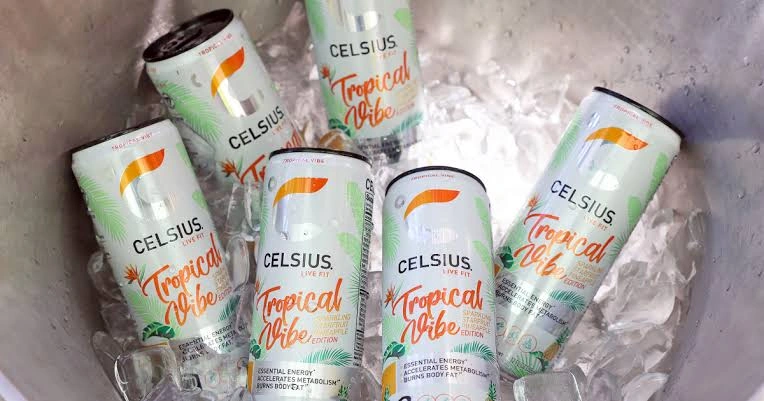
Much of the search interest appears to come from a mixture of health discussions, social-media posts, legal-content websites, and reports about lawsuits involving energy drinks. When several different controversies involve the same company or product category, they can easily become blended together online.
Some consumers are specifically worried about long-term exposure to caffeine, additives, vitamins, green tea extract, guarana, or other ingredients. Others encounter reports about liver or kidney concerns and then search for stronger terms such as cancer, lawsuit, settlement, or compensation.
The legal record requires more precision. Celsius has been involved in verified litigation, including a $7.8 million class action settlement over allegations that products were misleadingly labeled as containing “No Preservatives.” The federal court approved that settlement in 2023. That case was about labeling—not cancer.
More recently, Celsius-related legal attention has included an investigation by the Texas Attorney General involving caffeine and youth-oriented marketing, as well as litigation involving Alani Nu. Again, those developments should not be converted into proof that Celsius drinks cause cancer.
What Is the Celsius Drink Cancer Lawsuit?
The phrase Celsius Drink Cancer Lawsuit is currently better understood as a consumer search term than as the formal name of a clearly established cancer class action.
As of August 2026, reliable public sources reviewed for this article do not establish a court-certified Celsius class action alleging that Celsius energy drinks cause cancer. Some online legal-content pages describe cancer-related allegations, but such descriptions should not be treated as equivalent to verified court filings.
This distinction matters because a product liability lawsuit normally identifies actual plaintiffs, defendants, injuries, legal causes of action, a court, and a docket. A health concern or scientific question alone does not establish that litigation exists.
Consumers should therefore be cautious with websites that suggest a large cancer settlement or payout is already available without identifying the underlying case.
Is There an Active Celsius Cancer Lawsuit?
Based on the public records and authoritative sources reviewed as of August 2026, there is no confirmed nationwide cancer class action against Celsius Holdings establishing that Celsius beverages cause cancer.
There are, however, genuine legal proceedings and investigations connected with Celsius or brands owned by Celsius. Those include:
- A previously settled Celsius labeling class action.
- Securities litigation involving Celsius Holdings.
- A 2026 Texas Attorney General investigation.
- Litigation involving alleged caffeine-related harm associated with Alani Nu.
- Continuing scrutiny of marketing and product representations.
Celsius disclosed in its June 2026 SEC filing that a complaint involving Alani Nu alleges a consumer later died from cardiomyopathy allegedly caused by excessive caffeine consumption. Celsius stated that it was not then named as a defendant in that matter but had an indemnification obligation relating to the named defendants. Celsius also stated that it believes the claims are without merit.
That case concerns alleged caffeine-related cardiac harm, not a confirmed cancer claim.
Where Does the Celsius Energy Drink Lawsuit Stand in 2026?
There is no single “Celsius lawsuit” covering every controversy. Different cases involve different plaintiffs, theories, products, and alleged injuries.
| Legal Matter | 2026 Status |
|---|---|
| Cancer class action | No verified nationwide cancer class action identified |
| “No Preservatives” labeling case | Settled for $7.8 million |
| Alani Nu health litigation | Separate caffeine-related allegations |
| Texas investigation | Announced June 2026 |
| Securities litigation | Separate investor-related proceedings |
The labeling settlement is particularly important because it is frequently confused with newer health-related searches. In Hezi et al. v. Celsius Holdings, Inc., plaintiffs alleged Celsius deceptively labeled certain products as having “No Preservatives” despite containing citric acid. Celsius disputed that characterization, and the parties settled without the court deciding liability.
The court ultimately approved a $7.8 million settlement fund.
That settlement should not be represented as compensation for cancer, liver damage, kidney damage, or another personal injury.
Celsius Has Faced Real Lawsuits – But Not Over Proven Cancer Claims
Celsius’s litigation history is real, which may explain why cancer-related searches appear credible at first glance.
The best-known consumer case involved product labeling. Plaintiffs alleged that Celsius beverages were marketed as containing “No Preservatives” despite the presence of citric acid. Celsius maintained that citric acid was used for flavor rather than as a preservative. The parties reached a settlement instead of obtaining a judicial ruling on those competing positions.
Celsius has also faced securities litigation unrelated to beverage safety. One securities case concerning financial reporting was resolved through a separate settlement, while other investor litigation has involved different allegations.
None of these cases proves that Celsius energy drinks cause cancer. For consumers researching health risks, the nature of each case is more important than simply finding the Celsius name attached to a lawsuit.
Is This a Class Action? What That Means for You
There is no verified cancer class action identified in the reviewed authoritative records that currently provides compensation to Celsius consumers based on a cancer diagnosis.
A class action generally allows one or more plaintiffs to pursue claims on behalf of a larger group whose claims share important factual and legal issues. Before a case can proceed as a class action, applicable certification requirements must be satisfied.
Celsius has previously been involved in such litigation. The Hezi labeling case was certified for settlement purposes, and the court approved a $7.8 million settlement fund.
That does not mean consumers with unrelated medical conditions are automatically members of a current class. Eligibility depends on the definition of the class in the particular lawsuit or settlement.
Ingredients That Have Drawn Consumer Attention
Celsius products contain several ingredients that commonly attract attention because consumers want to understand their stimulant effects and long-term use.
The company says its energy drinks can contain ingredients such as caffeine, taurine, green tea extract, guarana seed extract, ginger root extract, chromium, vitamins, and sucralose, depending on the particular product.
The presence of an ingredient in an energy drink does not by itself establish that the product is defective, carcinogenic, or legally actionable. A product liability case would require considerably more evidence linking a particular ingredient, exposure level, alleged failure, and injury.
Caffeine and Stimulant Content
Caffeine is one of the clearest health issues associated with energy drinks because its physiological effects are well documented.
According to Celsius, standard CELSIUS and CELSIUS Vibe drinks contain 200 mg of caffeine per can, while CELSIUS Essentials contains 270 mg per can. On-The-Go powder contains 200 mg per packet.
For context, the FDA says 400 mg of caffeine per day is an amount not generally associated with negative effects for most adults, although individual sensitivity varies considerably. Medical conditions, medications, pregnancy, body size, and other factors can affect how someone responds to caffeine.
High caffeine consumption can produce symptoms such as increased heart rate, palpitations, anxiety, sleep disturbances, digestive problems, and elevated blood pressure.
Artificial Ingredients and Additives
Consumers sometimes focus on sweeteners, flavoring agents, preservatives, and other additives when questioning energy drink safety.
Celsius states that its zero-sugar energy drinks use sucralose. Ingredients can differ between product lines and flavors, making the label on the individual beverage the best source for identifying what a consumer actually ingested.
From a legal perspective, the mere presence of an artificial or processed ingredient does not establish product liability. Plaintiffs generally need evidence showing that the product was defective, inadequately warned, misleadingly marketed, or otherwise legally actionable.
Vitamins and Other Active Ingredients
Celsius beverages may also contain B vitamins and other ingredients associated with the brand’s energy and fitness positioning.
Vitamins can become part of consumer discussions when people consume several fortified beverages or supplements in the same day. But the presence of vitamins does not establish that a product caused cancer or another disease.
Legal analysis instead focuses on dosage, exposure, labeling, warnings, scientific evidence, medical records, and whether the manufacturer knew or reasonably should have known about a material risk.
What Ingredients in Celsius Are Under Legal Scrutiny?
The most concrete 2026 government scrutiny concerns caffeine and marketing practices, particularly in connection with Alani Nu, a brand owned by Celsius Holdings.
In June 2026, Texas Attorney General Ken Paxton announced an investigation into Celsius Holdings concerning representations and practices involving energy drinks marketed to children and teenagers. The announcement specifically noted that Alani Nu contains 200 mg of caffeine per 12-ounce can.
The investigation does not mean the Texas government has proven wrongdoing. An investigation is a fact-gathering and enforcement process, not a final judgment.
Celsius later disclosed that it received a civil investigative demand under the Texas Deceptive Trade Practices-Consumer Protection Act and said it was cooperating with the Attorney General’s Office.
For legal purposes, caffeine content, marketing representations, warnings, intended audience, and consumer understanding may therefore be more significant in the current proceedings than generalized online claims about cancer.
How Much Caffeine Is Actually in Celsius?
Caffeine levels vary by Celsius product.
According to Celsius’s current product information:
- CELSIUS Energy: 200 mg per can
- CELSIUS Vibe: 200 mg per can
- CELSIUS Essentials: 270 mg per can
- CELSIUS On-The-Go: 200 mg per packet
- CELSIUS Hydration powder: 0 mg
The FDA notes that 400 mg per day is an amount not generally associated with negative effects for most adults, but it emphasizes that sensitivity varies.
That means two standard 200 mg Celsius beverages would reach the FDA’s cited 400 mg level before counting coffee, tea, supplements, medications, chocolate, or other caffeine sources consumed that day.
Children are a different issue. Medical experts advise against energy drinks for children and teenagers because of their caffeine content and potential adverse effects.
Claims Involving Liver Damage
Liver-related questions appear frequently in online discussions about energy drinks, particularly around concentrated ingredients, supplements, and heavy or prolonged consumption.
Celsius directly addresses these concerns on its website. The company states that its beverages are not known to cause liver or kidney damage when consumed as recommended and specifically discusses the amounts of green tea extract and EGCG used in its products.
That is the company’s position, not an independent judicial finding.
A person alleging liver injury in a product liability case would generally need medical documentation showing the injury and credible evidence connecting it to the product. Other potential causes—including medications, alcohol, supplements, infections, underlying disease, and other exposures—could become relevant to causation.
Individual medical reports therefore should not be treated as proof that Celsius causes liver damage generally.
Questions About Kidney Damage
Kidney-related searches follow a similar pattern. Consumers may associate dehydration, caffeine consumption, supplements, or other energy drink ingredients with kidney concerns.
Again, Celsius states that its products are not known to cause kidney or liver damage when consumed as recommended.
A legal claim involving kidney injury would require more than showing that someone consumed Celsius and later developed a kidney problem. Medical causation is often one of the most heavily contested elements in product liability litigation.
Plaintiffs may need medical records, consumption history, laboratory findings, treating-physician evidence, expert testimony, and scientific research capable of supporting both general and individual causation.
Anyone experiencing kidney-related symptoms should seek medical advice rather than relying on litigation websites to determine whether a beverage caused the condition.
Celsius Lawsuit Health Issues
Current health-related scrutiny involving Celsius-associated products is more accurately centered on caffeine exposure, cardiovascular concerns, warnings, and marketing than on a judicial finding involving cancer.
The distinction became especially important in 2026 following developments involving Alani Nu.
Celsius’s SEC disclosure describes a complaint alleging that a consumer drank one or more Alani Nu energy drinks and later died from cardiomyopathy allegedly caused by excessive caffeine consumption. The company says the claims lack merit.
Allegations in a complaint represent one side’s claims. They remain allegations unless established through evidence, settlement terms, or a final court decision.
Reported Side Effects and Consumer Concerns
Caffeine can affect people differently. The FDA identifies possible effects from excessive caffeine consumption and notes that sensitivity depends on factors including body weight, medications, health conditions, and individual metabolism.
Common caffeine-related concerns can include:
- Rapid or irregular heartbeat
- Heart palpitations
- Anxiety or nervousness
- Sleep problems
- Digestive symptoms
- Increased blood pressure
- Restlessness
- Headaches or withdrawal symptoms
These effects do not prove that Celsius caused a particular person’s medical condition. They provide medical context for why caffeine intake matters.
When Health Complaints Could Become a Product Liability Issue
A health complaint becomes legally significant when evidence supports the elements of a recognized legal claim.
For example, a plaintiff might allege that a manufacturer failed to adequately warn consumers about a known risk. Another claim could argue that marketing made the product appear safer for a particular population than evidence justified.
A viable case typically requires evidence addressing the product, exposure, injury, causation, and the defendant’s alleged legal duty or misconduct.
The timing of symptoms alone is generally insufficient. Courts often require stronger scientific and medical evidence, particularly when an illness has multiple possible causes.
2026 Texas Investigation Involving Celsius Holdings and Alani Nu
One of the most important confirmed developments occurred on June 4, 2026, when Texas Attorney General Ken Paxton announced an investigation into Celsius Holdings.
The investigation concerns representations and practices surrounding energy drinks allegedly marketed toward children and teenagers. The Attorney General’s announcement specifically discussed Alani Nu, which Celsius acquired as part of its expansion and which contains 200 mg of caffeine per 12-ounce can.
The Attorney General raised concerns about colorful packaging, branding, and whether highly caffeinated products were being marketed in ways that appeal to minors.
Celsius subsequently confirmed in an SEC filing that it had received a civil investigative demand under the Texas Deceptive Trade Practices-Consumer Protection Act and was cooperating. The company said it could not predict the investigation’s outcome.
This investigation is significant, but its scope should be stated accurately: it concerns product representations, marketing practices, caffeine, and consumer protection. The announcement does not establish that Celsius beverages cause cancer.
How Product Liability Lawsuits Usually Work
Product liability law provides several possible theories when someone claims that a consumer product caused an injury.
The exact requirements vary by jurisdiction, but plaintiffs generally need to connect the defendant, product, alleged defect or misconduct, and resulting injury.
In beverage cases, evidence may include purchase records, product labels, medical records, ingredient information, expert testimony, scientific studies, marketing materials, internal company documents, and the consumer’s history of exposure.
The central question is usually not simply whether an injury occurred. It is whether legally sufficient evidence shows that the defendant’s product or conduct caused the injury under the applicable legal standard.
Failure to Warn
A failure-to-warn claim alleges that a manufacturer did not provide adequate information about a material risk associated with foreseeable product use.
Plaintiffs may examine what the company knew, when it knew it, the seriousness of the alleged risk, existing warnings, and whether stronger warnings would have changed consumer behavior.
A manufacturer may respond that the risk was adequately disclosed, scientifically unproven, commonly known, or unrelated to the plaintiff’s injury.
Defective Product Claims
A product defect claim may involve manufacturing defects, design defects, or other product-safety theories depending on state law.
For an energy drink, simply containing caffeine or another lawful ingredient would not automatically establish a defect.
A plaintiff would normally need to show why the particular formulation was legally defective and how that defect caused the claimed injury.
Negligence
Negligence generally focuses on whether a company failed to exercise reasonable care.
Potential allegations could involve product development, testing, warnings, marketing, or responses to known safety information.
The plaintiff must still prove the required elements, including duty, breach, causation, and damages. A consumer complaint alone does not establish negligence.
Misrepresentation Claims
Misrepresentation claims focus more heavily on what consumers were told about a product.
Advertising language, packaging, website statements, influencer marketing, safety representations, and omissions can become relevant evidence.
Celsius has previously faced labeling litigation. The earlier “No Preservatives” dispute ended in settlement rather than a finding that Celsius admitted wrongdoing.
Consumer Reviews and Reported Experiences
Online reviews provide useful insight into what consumers are discussing, but they have limited evidentiary value by themselves.
Some consumers report positive experiences involving energy, taste, convenience, or workouts. Others describe effects commonly associated with caffeine, such as jitters, headaches, sleep problems, anxiety, or a racing heartbeat.
Individual experiences can vary substantially because caffeine sensitivity differs from person to person.
For legal purposes, reviews are not equivalent to medical evidence. A pattern of complaints may encourage regulators, researchers, or attorneys to investigate an issue, but proving a product caused a particular disease requires stronger evidence.
This is particularly important with cancer claims. Personal stories may identify questions worth examining, but they cannot independently establish carcinogenicity or legal causation.
What Evidence Would Be Needed in a Cancer-Related Case?
A credible cancer product liability case would require substantial evidence.
At a minimum, attorneys would likely investigate:
- The claimant’s confirmed cancer diagnosis.
- Duration and frequency of Celsius consumption.
- The specific products and formulations consumed.
- Exposure to the ingredient alleged to cause cancer.
- Scientific evidence connecting that exposure to the cancer type.
- Other potential environmental, genetic, occupational, or lifestyle risk factors.
- Whether Celsius knew or should have known about the alleged risk.
- Whether existing labels and warnings were legally adequate.
Two types of causation can become important. General causation asks whether the substance is capable of causing the disease. Specific causation asks whether it actually caused the particular plaintiff’s disease.
Expert testimony can be critical. Without scientifically reliable evidence connecting the product to the claimed cancer, a lawsuit may struggle to survive challenges to causation.
What Consumers Should Know About Risk Factors
Consumers should distinguish between known caffeine-related concerns and unverified claims that an energy drink causes a particular disease.
The FDA states that up to 400 mg of caffeine per day is an amount not generally associated with negative effects for most adults, but individual tolerance can vary substantially. Certain medications and medical conditions may increase sensitivity.
Standard Celsius products contain 200 mg per can, while Celsius Essentials contains 270 mg.
Children and adolescents require additional caution. The FDA notes that medical experts advise against energy drinks for children and teenagers, and the American Academy of Pediatrics has similarly warned against stimulant-containing energy drinks for younger people.
Consumers concerned about symptoms or personal risk factors should discuss them with a qualified healthcare professional rather than assuming an online lawsuit claim establishes medical causation.
Has There Been a Celsius Drink Cancer Lawsuit Payout?
There is no verified cancer-related payout or settlement identified in the authoritative sources reviewed for this article as of August 2026.
There has, however, been a real Celsius consumer class action settlement that can cause confusion.
The Hezi case created a $7.8 million settlement fund over allegations concerning “No Preservatives” labeling. The settlement covered qualifying purchasers of Celsius beverages or powdered drinks during the specified class period.
That money was not a cancer settlement.
Celsius has also been involved in separate securities litigation concerning investors, but those proceedings are likewise unrelated to consumer cancer compensation.
Consumers should therefore be skeptical of advertisements implying that a Celsius cancer payout is already available unless they identify a genuine case, court, settlement administrator, and eligibility criteria.
Celsius Drink Cancer Lawsuit Update
As of August 2026, the most important Celsius Drink Cancer Lawsuit update is that verified legal activity involving Celsius should not be confused with proof of a cancer case.
The current picture can be summarized as follows:
- No verified nationwide Celsius cancer class action was identified in the authoritative records reviewed.
- The $7.8 million “No Preservatives” consumer settlement was real but unrelated to cancer.
- Texas launched an investigation into Celsius Holdings in June 2026 involving caffeine, marketing, and youth consumers.
- Celsius confirmed receiving a civil investigative demand and said it is cooperating.
- A separate Alani Nu complaint includes allegations of caffeine-related cardiomyopathy and wrongful death; Celsius says the claims lack merit.
These are meaningful legal developments. None should be characterized as a court finding that Celsius causes cancer.
What Could Happen Next?
The Texas investigation could lead to several outcomes. Regulators could close the investigation without action, seek changes in marketing or labeling, negotiate an agreement, or pursue an enforcement case if they conclude applicable consumer-protection laws were violated.
Separate private litigation may also continue. The outcome of the Alani Nu matter could depend on medical causation evidence, warnings, marketing practices, expert testimony, and applicable state product liability law.
Cancer litigation would require its own factual and scientific foundation. If plaintiffs eventually file such claims, the existence of a complaint would still not establish that Celsius caused cancer. Those allegations would need to survive legal challenges and be supported by admissible evidence.
For consumers, the most reliable approach is to check actual court records, government announcements, SEC disclosures, and official settlement documents before relying on compensation advertisements or social-media claims.
Read: Janice Griffith Lawsuit
Read: Blind Frog Ranch Lawsuit
Read: Sierra Mist Lawsuit
Read: 100 Day Dream Home Lawsuit
Read: Breo Ellipta Lawsuit
Read: Mallinckrodt Adderall Lawsuit
Read: Kindig-It Lawsuit
FAQs
Is there currently a Celsius cancer lawsuit?
No verified nationwide cancer class action was identified in the authoritative public sources reviewed as of August 2026. Celsius has faced other lawsuits and investigations, but they involve different allegations.
Did Celsius settle a class action lawsuit?
Yes. A federal court approved a $7.8 million settlement involving allegations that certain Celsius products were misleadingly labeled as containing “No Preservatives.” It was not a cancer settlement.
Does Celsius cause cancer?
There is no court finding cited here establishing that Celsius energy drinks cause cancer. Determining whether a product causes cancer requires reliable scientific and medical evidence, not merely consumer reports or online allegations.
How much caffeine does Celsius contain?
Standard CELSIUS and CELSIUS Vibe drinks contain 200 mg per can. CELSIUS Essentials contains 270 mg, while On-The-Go powder contains 200 mg per packet.
Why is Texas investigating Celsius?
Texas announced a 2026 investigation involving representations and practices surrounding highly caffeinated energy drinks and marketing to children and teenagers, particularly involving Celsius-owned Alani Nu.
Final Thoughts
The Celsius Drink Cancer Lawsuit is a good example of why consumers need to separate search trends from documented litigation. Celsius has faced genuine lawsuits, including a $7.8 million labeling settlement, and the company is dealing with significant 2026 scrutiny involving caffeine, marketing practices, and its Alani Nu brand. Those developments are documented, but they do not establish that Celsius beverages cause cancer.
Consumers who believe they experienced a serious health problem should preserve relevant product information, purchase records, medical records, and details about consumption and discuss medical concerns with a healthcare professional. Anyone considering legal action may also want advice from a qualified attorney familiar with product liability law.
Ultimately, compensation and liability depend on evidence, causation, applicable law, and court decisions—not online allegations alone.