
SheaMoisture is a widely sold hair, skin, body, and baby-care brand. The SheaMoisture Lawsuit is receiving renewed attention after a proposed class action was filed against Sundial Brands LLC in June 2026 over labeling on certain “100% Virgin Coconut Oil” products.
Consumers searching the case are often trying to determine whether the allegations involve hair loss, misleading ingredient claims, a settlement, compensation, or a claim form. Some online discussions also combine the current dispute with older litigation involving SheaMoisture products.
The legal issues need to be separated carefully. This article explains the current federal case, the products identified in the complaint, earlier litigation, consumer complaints, potential class eligibility, and what is—and is not—currently confirmed.
What Is the SheaMoisture Lawsuit?
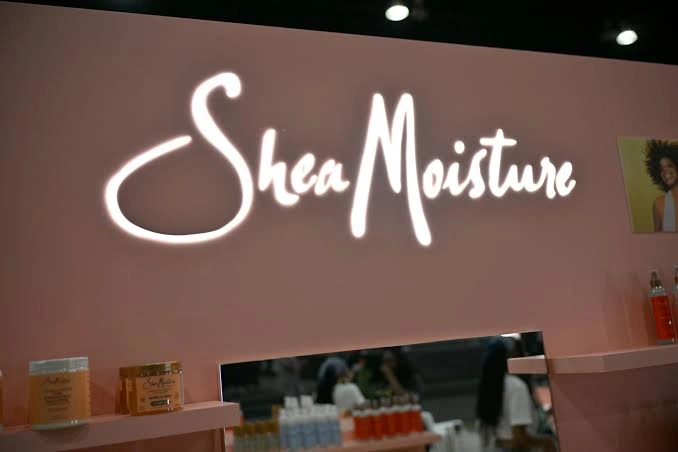
The current lawsuit is Yuryeva v. Sundial Brands LLC, Case No. 2:26-cv-06387. Plaintiff Ruffina Yuryeva filed the complaint on June 11, 2026, in the U.S. District Court for the Central District of California. Court docket information identifies the matter as a class-action case involving fraud-related allegations.
The dispute focuses on how certain SheaMoisture products are labeled. According to the complaint, products prominently displaying “100% Virgin Coconut Oil” may lead reasonable consumers to believe virgin coconut oil is the exclusive or predominant ingredient.
The plaintiff alleges that the actual ingredient lists tell a different story. Reporting on the complaint states that coconut oil appears between approximately the fifth and twelfth positions on the ingredient lists of the challenged products.
Importantly, these are allegations contained in a lawsuit, not judicial findings that Sundial Brands engaged in unlawful conduct.
SheaMoisture Class Action Lawsuit Overview
The 2026 case is a proposed class action, meaning the plaintiff is asking the court to permit claims to proceed on behalf of a broader group of consumers.
| Case Detail | Current Information |
|---|---|
| Case | Yuryeva v. Sundial Brands LLC |
| Case Number | 2:26-cv-06387 |
| Filed | June 11, 2026 |
| Court | U.S. District Court, Central District of California |
| Plaintiff | Ruffina Yuryeva |
| Defendant | Sundial Brands LLC |
| Main Issue | Allegedly misleading “100% Virgin Coconut Oil” labeling |
| Class Status | Proposed class action |
| Public Settlement | No confirmed settlement identified |
The complaint seeks to represent consumers who purchased qualifying products in California during the applicable limitations period for personal, family, or household use.
Class certification should not be assumed merely because a complaint uses class-action allegations. Certification generally requires additional litigation and a court determination unless the parties resolve the matter beforehand.
Why Is SheaMoisture Facing a Class Action Lawsuit?
The central question is not whether the products contain coconut oil. Instead, the plaintiff challenges the way the ingredient is allegedly presented to consumers.
The lawsuit claims that the words “100% Virgin Coconut Oil” appear prominently enough to communicate that virgin coconut oil is the sole or predominant ingredient. The complaint alleges that the products actually contain several other ingredients and that coconut oil is a comparatively minor component.
The plaintiff argues that qualifying wording could have made the presentation clearer. For example, the complaint points to language such as “made with,” “contains,” or “infused with” as potentially distinguishing an ingredient claim from a statement about the overall composition of a product.
Whether consumers would reasonably interpret the labels in the manner alleged—and whether the labeling violates applicable law—are questions for the litigation process.
SheaMoisture Lawsuit Update 2026
The most important development in 2026 is the filing of the Yuryeva case on June 11. The federal docket confirms the complaint, civil cover sheet, notice of interested parties, and request for issuance of summons were filed that day.
Recent legal reporting continues to characterize the proceeding as a proposed class action concerning false or misleading advertising, rather than a completed settlement.
As of the information reviewed for this update, consumers should be cautious with websites suggesting that a guaranteed SheaMoisture payout or finalized settlement already exists. A legitimate settlement would ordinarily be supported by court records, an approved settlement notice, eligibility rules, deadlines, and an authorized claims process.
The litigation remains important because later motions, class-certification proceedings, dismissal, settlement negotiations, or court rulings could substantially change its status.
Yuryeva v. Sundial Brands LLC Explained
Yuryeva v. Sundial Brands LLC is the federal case behind much of the current search interest in SheaMoisture litigation.
The case concerns consumer expectations created by front-label representations and whether those representations allegedly conflict with the products’ ingredient composition.
Who Filed the Lawsuit?
The named plaintiff is Ruffina Yuryeva, a California consumer. Public reporting states that she purchased SheaMoisture Moisture & Smooth Conditioner in Los Angeles and alleges that she relied on its “100% Virgin Coconut Oil” representation.
According to the complaint, she claims she would either not have purchased the product or would have paid less if she had understood coconut oil was not the predominant ingredient.
Those statements represent the plaintiff’s allegations and have not, merely by being pleaded, been established as facts by the court.
Where Was the Lawsuit Filed?
The lawsuit was filed in the U.S. District Court for the Central District of California on June 11, 2026.
The docket identifies the case as Yuryeva v. Sundial Brands LLC, No. 2:26-cv-06387. The plaintiff demanded a jury trial.
The California location is significant because the plaintiff asserts claims under several California consumer-protection statutes and seeks to represent qualifying California purchasers.
What Does the Complaint Allege?
The complaint alleges that Sundial Brands marketed multiple SheaMoisture products using prominent “100% Virgin Coconut Oil” wording even though coconut oil was allegedly not the sole or predominant ingredient.
The core allegations include:
- consumers could interpret the front labels as describing the products’ principal ingredient;
- coconut oil allegedly appears behind several other ingredients;
- purchasers allegedly paid a premium based on the representation;
- consumers allegedly would have paid less or avoided the products with different labeling; and
- the marketing allegedly violates California consumer-protection laws.
These claims remain allegations unless admitted, settled, or established through court proceedings.
Which SheaMoisture Products Are Included in the Lawsuit?
The complaint identifies 11 products across SheaMoisture’s hair, body, and baby-care categories.
The presence of a product in the complaint does not establish that its label was legally misleading. It means the plaintiff included that product within the challenged labeling practices.
Hair Care Products
The hair products identified in reporting on the complaint include:
- Daily Hydration Shampoo
- Daily Hydration Conditioner
- Daily Hydration Leave-In Treatment
- Moisture & Smooth Shampoo
- Moisture & Smooth Conditioner
The allegations concern the “100% Virgin Coconut Oil” representation rather than a judicial determination about the effectiveness or general safety of these products.
Body Care Products
The body-care products identified include:
- Daily Hydration Shea Sugar Scrub
- Daily Hydration Body Lotion
- Daily Hydration Body Oil
- Daily Hydration Body Wash
The plaintiff’s theory centers on whether shoppers could reasonably understand the front-label wording to mean coconut oil constitutes all or most of the relevant formula.
Baby Care Products
Two baby-care products are also identified:
- SheaMoisture Baby Wash & Shampoo
- SheaMoisture Baby Lotion
Again, their inclusion should not be interpreted as a finding that the products are dangerous or defective. The current allegations primarily concern marketing and labeling.
SheaMoisture 100% Virgin Coconut Oil Claims Explained
“100% Virgin Coconut Oil” is at the center of the litigation because the parties may dispute what an ordinary shopper would understand that phrase to mean.
The plaintiff’s position is that a consumer viewing the front packaging could reasonably believe the product consists entirely or predominantly of virgin coconut oil. According to the complaint, however, coconut oil can appear much farther down the ingredient list.
There is an important distinction between the purity of an ingredient and the proportion of that ingredient in an entire finished product. For example, “100% virgin” might arguably describe the type or quality of coconut oil used rather than saying the finished formula itself is 100% coconut oil.
That distinction is one of the reasons labeling cases can turn on packaging context, wording, consumer expectations, and how a reasonable purchaser would interpret the representation.
Why Is the “100% Virgin Coconut Oil” Label Being Challenged?
The complaint challenges the label because it allegedly lacks language making clear that coconut oil is only one component of a multi-ingredient formula.
According to reporting on the filing, coconut oil allegedly appears between fifth and twelfth on the ingredient lists of the challenged products. The plaintiff therefore argues that calling attention to “100% Virgin Coconut Oil” could give consumers an inaccurate impression about its prominence.
The complaint specifically argues that wording such as “contains,” “made with,” or “infused with” could communicate the ingredient relationship differently.
Ultimately, the legal question is more nuanced than simply comparing front and back labels. Courts evaluating consumer-labeling disputes may consider the packaging as a whole and whether a reasonable consumer would likely be deceived.
SheaMoisture Allegedly Violates State Consumer Protection Laws
The lawsuit asserts claims under several California consumer-protection statutes. Reporting on the complaint identifies the Unfair Competition Law, Consumers Legal Remedies Act, and False Advertising Law among the statutes invoked.
These statutes provide different—but sometimes overlapping—legal theories for challenging allegedly deceptive commercial practices.
California Unfair Competition Law
California’s Unfair Competition Law, commonly called the UCL, broadly addresses unlawful, unfair, or fraudulent business acts and practices.
The plaintiff alleges that marketing the challenged SheaMoisture products in the manner described constitutes prohibited conduct under this framework.
A pleaded UCL claim does not itself prove wrongdoing. The plaintiff must still establish the relevant elements or obtain relief through an approved settlement.
California Consumers Legal Remedies Act
The Consumers Legal Remedies Act, or CLRA, addresses certain deceptive practices in transactions involving goods or services purchased for personal, family, or household purposes.
In this case, the plaintiff alleges that representations concerning virgin coconut oil affected consumers’ purchasing decisions.
The legal dispute therefore concerns not merely whether the products contain coconut oil, but whether the challenged representations allegedly communicated materially misleading information to reasonable purchasers.
California False Advertising Law
California’s False Advertising Law generally prohibits advertising that is untrue or misleading under circumstances covered by the statute.
The complaint invokes this law in connection with the challenged SheaMoisture labels.
Whether the representation actually qualifies as legally false or misleading has not been established simply because the claim appears in the complaint.
SheaMoisture False Advertising and Mislabeling Allegations
The false-advertising theory rests largely on the relationship between front-label messaging and the ingredient lists.
The lawsuit alleges that consumers see “100% Virgin Coconut Oil” prominently displayed and make purchasing decisions before realizing coconut oil allegedly represents a smaller portion of the formulation than they expected.
The mislabeling allegation is therefore different from claiming that the products contain no coconut oil at all. The complaint acknowledges coconut oil as an ingredient but disputes the impression allegedly created about its predominance.
That distinction matters. Legal liability would depend on the wording, context, evidence regarding consumer interpretation, applicable statutes, and ultimately how the court resolves the competing arguments.
Did Consumers Allegedly Pay a Premium Price for SheaMoisture Products?
Yes. The plaintiff alleges that the challenged representation enabled the products to command a price premium because shoppers associate virgin coconut oil and natural or plant-based ingredients with higher-value products.
Yuryeva claims she relied on the representation when purchasing SheaMoisture Moisture & Smooth Conditioner. She alleges she would not have purchased it—or would have paid less—if she had known the ingredient composition as alleged in the complaint.
This type of theory is often called an economic injury or price-premium theory. Rather than alleging physical injury, a consumer argues that misleading marketing caused them to spend money they otherwise would not have spent.
Whether the plaintiff can prove such economic harm for herself and a broader proposed class remains a litigation question.
The Earlier SheaMoisture Hair Growth Lawsuit
The current coconut-oil dispute should not be confused with an earlier case involving claims about hair growth.
In 2016, a proposed class action was brought against Sundial Brands and Nubian Heritage concerning products marketed with hair-growth-related representations.
That litigation involved a fundamentally different legal theory from the 2026 case.
What Did the 2016 Lawsuit Allege?
Plaintiff Marianne Padilla alleged that Shea Moisture and Nubian Heritage hair products were marketed using statements suggesting they could promote or cause hair growth.
The complaint challenged wording such as “Strengthen, Grow & Restore” and similar representations. It alleged that consumers could interpret those claims as promises that the products actually stimulated hair growth.
The plaintiff asserted several California consumer-law claims and sought restitution for qualifying purchasers.
These were allegations; the case did not produce a final judicial ruling establishing that the advertising was deceptive.
Why Was the Lawsuit Dismissed?
The 2016 case ended quickly.
Truth in Advertising reports that the named plaintiffs dismissed their claims in August 2016, shortly after the lawsuit had been filed. The publicly reported reason for the dismissal was not disclosed.
Therefore, the dismissal should not be described as a court ruling proving either side correct.
No major public settlement resulted from that case, and it should remain separate from the 2026 coconut-oil labeling litigation.
SheaMoisture Organic Labeling Lawsuit
SheaMoisture also appeared in earlier litigation concerning “organic” marketing.
In 2011, the Center for Environmental Health brought an action involving numerous personal-care manufacturers and products marketed as organic. Shea Moisture Organic Raw Shea Butter Moisture Retention Shampoo was among the products identified in reporting about the dispute.
The broader controversy concerned California requirements applicable to cosmetics represented as organic and allegations that certain products did not contain the required proportion of organic ingredients.
This historical dispute is relevant because it involved product labeling, but it is separate from both the 2016 hair-growth case and the 2026 “100% Virgin Coconut Oil” proposed class action.
Combining all three into one continuous lawsuit would misrepresent their procedural histories and legal theories.
Are Hair Loss Claims Part of the Current SheaMoisture Lawsuit?
No confirmed hair-loss claim appears to be the central issue in the current Yuryeva v. Sundial Brands LLC case.
The 2026 complaint focuses on alleged false advertising and misleading labeling surrounding “100% Virgin Coconut Oil.” Public reporting describes the challenged products and economic allegations rather than a class seeking damages for widespread hair loss or physical injuries.
This distinction matters because searches for SheaMoisture frequently surface discussions about hair shedding, scalp irritation, reformulations, or DMDM hydantoin alongside lawsuit information.
Consumer experiences posted online do not automatically become allegations in the current lawsuit.
Anyone investigating a possible physical-injury claim should therefore distinguish personal product experiences from the specific economic and labeling claims asserted in Yuryeva.
SheaMoisture Ingredients and Product Safety Concerns
The current lawsuit should not be interpreted as a court finding that SheaMoisture products are unsafe.
Its central allegation concerns how an ingredient is represented—not that the challenged products have been proven toxic or inherently dangerous.
Ingredient-related consumer concerns can involve several different questions:
- whether a particular ingredient causes irritation;
- whether a formula has changed;
- whether an ingredient appears prominently enough to match marketing;
- whether individual users experience dryness or shedding; and
- whether labeling accurately communicates product composition.
These questions require different types of evidence.
A consumer’s adverse reaction may be genuine without proving that a product is defective for everyone. Likewise, a labeling lawsuit can potentially succeed or fail independently of whether a product creates physical health risks.
What Are Consumers Saying About SheaMoisture?
Online consumer discussions about SheaMoisture cover a much broader range of issues than the allegations made in the 2026 federal lawsuit.
Some users discuss hair texture, dryness, scalp reactions, fragrance, changes in product performance, or perceived differences after reformulation. Such accounts can identify patterns worth investigating, but they are not equivalent to verified scientific evidence or judicial findings.
Hair and Scalp Complaints
Consumers sometimes report dryness, irritation, shedding, or dissatisfaction after using particular hair-care products.
These reports should be treated as individual experiences unless supported by stronger evidence establishing causation.
Hair loss in particular can have numerous potential causes, including hair-care practices, underlying medical factors, stress, medications, genetics, and product sensitivity. An online report alone cannot establish that a specific SheaMoisture product caused someone’s condition.
Product Reformulation Concerns
Another recurring consumer issue involves perceived formula changes.
Users may notice differences in fragrance, texture, consistency, ingredient order, or how a product behaves on their hair after a reformulation. These changes can matter to longtime customers who selected products for particular ingredients or performance characteristics.
However, reformulation concerns are not automatically part of the Yuryeva litigation. The current lawsuit specifically challenges representations associated with certain coconut-oil products.
Reviews and Online Discussions
Reviews, forums, Reddit threads, TikTok videos, and other social-media discussions can help explain why certain concerns become widely searched.
But online posts vary considerably in reliability.
A useful distinction is:
Consumer review: someone’s personal experience.
Legal allegation: a claim asserted in litigation.
Scientific finding: a conclusion supported by appropriate research.
Court finding: a legal or factual determination made during judicial proceedings.
Keeping those categories separate prevents consumer discussions from being incorrectly presented as proven legal facts.
Is the SheaMoisture Lawsuit a Class Action?
Yes, the 2026 case was filed as a proposed class action. Court and legal-news records characterize Yuryeva v. Sundial Brands LLC as class-action litigation.
However, “proposed” is important.
Filing a complaint seeking class treatment does not automatically mean the court has certified the requested class. Class certification normally requires the plaintiff to satisfy procedural requirements concerning matters such as common issues, adequacy of representation, and whether class treatment is appropriate.
The complaint seeks to represent qualifying California consumers who purchased products displaying the challenged “100% Virgin Coconut Oil” representation within the applicable limitations period.
The ultimate definition of any class could change through litigation, certification rulings, or settlement.
Who Could Potentially Qualify for the SheaMoisture Class Action?
Based on the complaint as publicly described, the proposed class potentially covers people who purchased one or more challenged SheaMoisture products in California during the applicable limitations period.
The complaint further describes purchases made for personal, family, or household use.
Potential factors could therefore include:
- purchasing one of the challenged products;
- encountering the “100% Virgin Coconut Oil” front-label claim;
- purchasing the product in California;
- buying within the legally relevant period; and
- making the purchase for personal, family, or household purposes.
These are proposed allegations, not finalized settlement eligibility requirements.
If the class is eventually certified or a settlement approved, an official notice would provide the controlling class definition.
Has a SheaMoisture Lawsuit Settlement Been Reached?
No verified, court-approved settlement in Yuryeva v. Sundial Brands LLC was identified in the current federal docket information and reliable legal reporting reviewed for this article.
The case was filed on June 11, 2026, and available reporting continues to describe it as a proposed class action over allegedly misleading labeling.
Some third-party pages online use phrases such as “SheaMoisture class action settlement,” but consumers should not treat those descriptions as confirmation that money is available.
A genuine settlement process normally produces identifiable court documentation explaining the settlement fund or relief, class definition, exclusions, objections, claim deadlines, and final approval process.
Until such documentation exists, claims of guaranteed settlement compensation should be approached cautiously.
Is There a SheaMoisture Lawsuit Payout or Compensation?
There is currently no verified payout amount that consumers should assume they will receive from the 2026 case.
The plaintiff seeks forms of relief that reportedly include damages, restitution, disgorgement, injunctive relief, and class certification.
Seeking those remedies and actually receiving them are different stages of litigation.
Compensation could potentially arise later if the plaintiff prevails, the parties negotiate a settlement, or the court approves monetary relief. Any amount could depend on factors such as eligible purchases, class size, available documentation, litigation costs, and the terms of a settlement.
Consumers should therefore avoid websites promising a specific SheaMoisture payout unless those figures can be traced to official court-approved settlement documents.
Can Consumers File a SheaMoisture Lawsuit Claim?
There is no verified court-approved claim process associated with the current proposed class action based on the information reviewed.
Consumers generally do not file settlement claim forms merely because a proposed class action has been initiated. A claims process normally appears after a settlement has been reached and receives the necessary court approval.
If that occurs, an official notice may explain:
- who qualifies;
- which purchases are covered;
- whether receipts are necessary;
- the filing deadline;
- available compensation; and
- how claims must be submitted.
Until an authorized process exists, consumers should be careful about submitting sensitive personal or financial information to websites presenting themselves as SheaMoisture claim portals.
What Evidence Should Consumers Keep?
Consumers who purchased one of the products identified in the litigation may want to preserve ordinary purchase documentation while the case develops.
Potentially useful records include:
- store or online receipts;
- order-confirmation emails;
- photographs of the product and front label;
- photographs of ingredient lists;
- packaging showing lot or batch information;
- approximate purchase dates and locations; and
- relevant communications with the retailer or manufacturer.
Keeping documentation does not mean a consumer automatically qualifies for compensation.
It simply preserves evidence that may become useful if a class is certified, a settlement occurs, or an attorney needs to evaluate an individual situation.
Consumers claiming a physical reaction may also need different evidence than purchasers asserting only an economic labeling injury.
What Could Happen Next in the SheaMoisture Lawsuit?
The SheaMoisture Lawsuit remains subject to the ordinary uncertainties of federal civil litigation.
Several outcomes are possible. Sundial Brands may contest the allegations, seek dismissal of some or all claims, challenge class certification, negotiate a settlement, or continue litigating toward later proceedings.
The court could also narrow the claims or determine that particular legal theories cannot proceed.
If the case advances as a class action, class certification would become an important milestone. If a settlement is negotiated, consumers would need to review the court-approved notice rather than relying on unofficial summaries.
For now, the most important distinction is that a complaint has been filed, but the allegations have not been established as liability and no verified court-approved settlement or consumer payout has been identified.
Read: Vegamour Lawsuit
Read: Streamate Lawsuit
Read: QC Kinetix Lawsuit
Read: Dwayne Johnson Energy Drink Lawsuit
Read: Monday Shampoo Lawsuit
Read: McDonald’s 100% Beef Lawsuit
Read: HexClad Lawsuit
Frequently Asked Questions
Was SheaMoisture sued before this case?
Yes. Earlier disputes included a 2016 proposed class action challenging hair-growth advertising and older litigation involving organic labeling. The 2016 plaintiffs voluntarily dismissed their claims.
Which products are involved in the lawsuit?
The complaint identifies 11 SheaMoisture hair, body, and baby-care products carrying the challenged coconut-oil representation, including Daily Hydration and Moisture & Smooth products.
What is the SheaMoisture class action about?
The lawsuit alleges that certain products misleadingly emphasize “100% Virgin Coconut Oil” even though coconut oil is allegedly not the sole or predominant ingredient in the finished formulas.
Does the current lawsuit claim SheaMoisture causes hair loss?
No. The current federal case primarily concerns alleged false advertising and product labeling. Online hair-loss complaints should not be confused with the specific allegations asserted in the 2026 lawsuit.
Can I file a SheaMoisture claim right now?
There is no confirmed court-approved settlement claim process identified at this stage. If one is created later, official documentation should specify eligibility, covered products, deadlines, proof requirements, and compensation.
Final Thoughts
The SheaMoisture Lawsuit currently receiving attention is principally a consumer-labeling dispute over certain products marketed with “100% Virgin Coconut Oil” language. The June 2026 complaint alleges that consumers could reasonably understand this wording to mean coconut oil is the sole or predominant ingredient, while the products allegedly contain it in smaller proportions.
At this stage, those assertions remain allegations rather than proven findings. Consumers should also distinguish the current case from earlier hair-growth litigation, organic-labeling disputes, and unrelated online complaints about hair or scalp problems.
Anyone who purchased an affected product can preserve receipts, packaging, and purchase records while monitoring the case. A legitimate right to compensation would depend on future court decisions, class certification, or an approved settlement—not simply on the existence of the lawsuit.