


A slip and fall lawsuit is a type of personal injury claim that may arise when someone falls because of an unsafe condition on property owned, occupied, or controlled by another person or organization. These cases commonly involve allegations of negligence, premises liability, inadequate maintenance, or failure to warn visitors about a dangerous condition.
People researching these claims often want to know whether they can sue, what evidence is required, how settlements are calculated, and how long the legal process may take. The answers depend heavily on the facts and the law of the state where the accident occurred.
This guide explains liability, evidence, injuries, damages, settlements, shared fault, filing deadlines, and other major issues. It provides general U.S. legal information rather than state-specific legal advice.
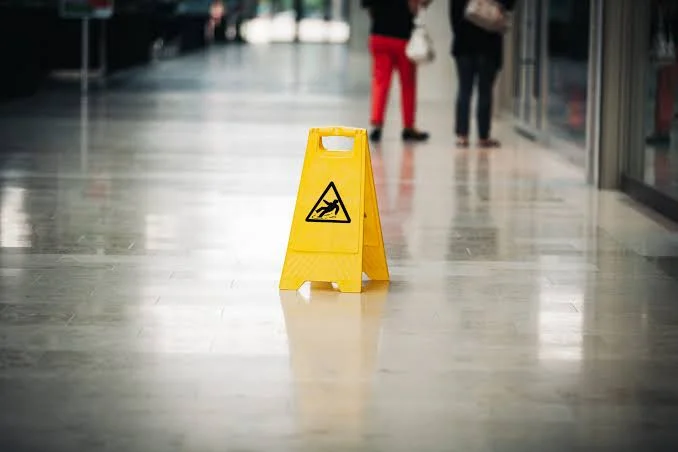
What Is a Slip and Fall Lawsuit?
A slip and fall lawsuit is a civil claim seeking compensation for injuries allegedly caused by a dangerous condition on someone else’s property. It commonly falls under premises liability law, which addresses the responsibilities of people or entities that own, possess, operate, or control property.
Simply falling on another person’s property does not automatically establish liability. An injured person generally needs evidence connecting the dangerous condition, the defendant’s legal responsibility, and the resulting injuries.
The precise elements vary by jurisdiction. The visitor’s status, type of property, notice of the hazard, reasonableness of inspections, and the injured person’s own conduct may all matter.
Slip and Fall Meaning in Law
In legal usage, “slip and fall” generally describes an accident in which a person loses footing or balance because of a condition such as liquid, ice, uneven flooring, debris, or another hazard.
The phrase describes the accident rather than automatically establishing a valid legal claim. Liability usually depends on negligence or another applicable premises-liability theory.
Is a Slip and Fall a Personal Injury Lawsuit?
Yes. When a person seeks damages for bodily injuries caused by an allegedly unsafe property condition, a slip and fall case is generally treated as a personal injury and premises-liability matter.
The applicable rules depend on state law and the circumstances surrounding the accident.
How Does a Slip and Fall Lawsuit Work?
A case commonly begins with medical treatment, accident documentation, evidence preservation, and an insurance claim. The parties may investigate the accident and negotiate before anyone files a lawsuit.
If the dispute cannot be resolved, the injured person may file a civil complaint. Litigation can then involve written discovery, document production, depositions, expert evidence, motions, mediation, settlement discussions, and potentially trial.
A settlement can occur at many stages. Filing a lawsuit does not necessarily mean the dispute will reach a jury.
What Is Premises Liability in a Slip and Fall Case?
Premises liability is the body of law addressing responsibility for injuries caused by conditions on real property. In a slip and fall case, the central question is often whether the defendant failed to exercise the level of care required under applicable law.
State rules differ significantly. A court may consider who controlled the premises, why the injured person was there, whether the hazard was known or discoverable, and whether reasonable precautions were taken.
What Do You Have to Prove in a Slip and Fall Lawsuit?
The precise elements vary by state, but negligence-based cases generally require evidence establishing a legal duty, breach, causation, and compensable harm.
Notice of the dangerous condition can also be central. The claimant may need to show that the responsible party created the hazard, actually knew about it, or had sufficient opportunity to discover and correct it.
Duty of Care
A duty of care is a legal obligation to act with the level of reasonable care required under the circumstances. The scope of that duty varies by jurisdiction, property type, and visitor status.
Dangerous or Unsafe Condition
The claimant generally identifies a condition that allegedly presented an unreasonable risk of harm. Examples may include slippery substances, damaged flooring, unsafe stairs, poor lighting, or concealed elevation changes.
Breach of Duty
A breach occurs when conduct falls below the legally required standard of care. Whether a defendant acted reasonably is usually evaluated in light of the circumstances rather than the accident alone.
Actual or Constructive Notice
Actual notice means the responsible party knew about the hazard. Constructive notice generally means the condition existed under circumstances suggesting it should reasonably have been discovered.
Notice standards and available inferences vary by state.
Causation
The claimant must connect the alleged breach to the accident and injuries. A hazardous condition that played no legally sufficient role in causing the fall generally will not establish liability by itself.
Injuries and Damages
A claimant must ordinarily establish actual harm. Medical records, bills, wage records, photographs, expert opinions, and other documentation may be used to establish the nature and financial consequences of an injury.
What Is Negligence in a Slip and Fall Lawsuit?
Negligence generally means failing to exercise legally required reasonable care under the circumstances. In premises cases, the allegation may involve inadequate inspection, maintenance, repair, cleanup, or warning procedures.
Negligence is not established merely because an accident happened. The claimant generally must connect specific conduct or omissions to the dangerous condition and resulting injury.
How Do You Prove a Property Owner Was Negligent?
Evidence may show that the defendant created a dangerous condition, knew it existed, or should reasonably have discovered it before the accident. Inspection practices and the amount of time the condition existed can become important.
The required proof depends on applicable state law and the particular liability theory.
Property Owner Created the Hazard
If the defendant or its employees created the condition, evidence showing how and when that occurred may support negligence allegations without relying solely on how long the condition existed.
Property Owner Knew About the Hazard
Emails, employee statements, maintenance requests, prior reports, photographs, or incident records may help establish actual knowledge.
Property Owner Should Have Known About the Hazard
Constructive notice may be argued when a condition existed long enough, or was sufficiently recurring or apparent, that reasonable inspection procedures should have detected it.
Failure to Repair the Hazard
Evidence of delayed repairs can be relevant when the defendant knew or should have known about a defective condition and had a reasonable opportunity to address it.
Failure to Warn Visitors
When immediate repair is impractical, reasonable warnings or barriers may sometimes be expected. Whether a warning was legally adequate depends on the circumstances and jurisdiction.
What Is Actual Notice in a Slip and Fall Case?
Actual notice generally means the defendant had real knowledge of the dangerous condition before the accident.
A prior complaint, employee observation, maintenance request, inspection report, or similar evidence may establish knowledge. The claimant still generally must prove the remaining elements of the claim.
What Is Constructive Notice in a Slip and Fall Case?
Constructive notice is a legal concept allowing knowledge to be attributed to a defendant when a hazard existed under circumstances in which reasonable care should have led to its discovery.
The duration of the hazard is frequently important. Evidence concerning inspections, surveillance footage, witnesses, or the physical condition of a spill or defect may become relevant.
Common Causes of Slip and Fall Accidents
Falls can result from temporary hazards, structural defects, environmental conditions, or maintenance problems. Determining the cause is important because it can affect who controlled the hazard and whether anyone had notice.
Wet or Slippery Floors
Freshly cleaned surfaces, tracked-in water, condensation, or other slippery conditions may contribute to falls. Evidence concerning warnings and inspection practices can be important.
Spills and Leaks
Food, beverages, plumbing leaks, refrigeration equipment, or other liquids may create hazards. Liability often turns on who created the spill and how long it remained.
Uneven Flooring
Broken tiles, abrupt elevation changes, damaged flooring, or poorly maintained transitions between surfaces can create tripping risks.
Broken Stairs and Handrails
Damaged steps, loose railings, irregular stair dimensions, or missing handrails may be relevant to a premises-liability claim.
Ice and Snow
Ice and snow cases can involve special state and local rules concerning natural accumulation, property maintenance, notice, and the timing of removal.
Poor Lighting
Insufficient lighting may make stairs, obstacles, elevation changes, or other hazards difficult to see.
Loose Rugs and Mats
Wrinkled rugs, curled edges, unsecured mats, or poorly positioned floor coverings can contribute to tripping or slipping incidents.
Cluttered Walkways
Boxes, cables, merchandise, equipment, or debris in pedestrian areas may create hazards, particularly when visitors cannot reasonably anticipate them.
Potholes and Cracked Sidewalks
Surface defects can cause falls in parking areas and pedestrian walkways. Responsibility may depend on ownership, control, maintenance agreements, and local law.
Where Do Slip and Fall Lawsuits Commonly Happen?
Slip and fall claims can arise on residential, commercial, public, and workplace property. Identifying who controlled the accident location is often one of the first liability questions.
Grocery Stores
Claims may involve spilled products, refrigeration leaks, produce debris, entranceway water, damaged flooring, or merchandise obstructing aisles.
Restaurants
Food, beverages, grease, wet restroom floors, damaged steps, and poorly maintained walking surfaces can be involved in restaurant claims.
Hotels
Potential accident locations include bathrooms, pools, stairways, lobbies, parking areas, hallways, and guest rooms.
Shopping Malls
Liability may involve a store, mall operator, property owner, maintenance contractor, or another party depending on where and how the accident occurred.
Apartment Buildings
Common allegations involve stairs, walkways, common areas, lighting, ice, damaged flooring, and maintenance issues.
Parking Lots
Potholes, wheel stops, debris, ice, inadequate lighting, drainage problems, and uneven pavement can contribute to falls.
Sidewalks
Responsibility for sidewalk defects varies significantly by jurisdiction and may involve private owners, municipalities, or other entities.
Workplaces
A workplace fall may implicate workers’ compensation rather than an ordinary negligence lawsuit against an employer. Third-party liability may also arise in some circumstances.
Government Property
Claims involving government property may be subject to immunity doctrines, special claim-notice procedures, shortened deadlines, or statutory limitations.
Who Can Be Liable for a Slip and Fall Accident?
Potential defendants depend on who owned, occupied, maintained, managed, or otherwise controlled the dangerous condition.
More than one entity may potentially share responsibility.
Property Owners
An owner may face liability when applicable law imposes responsibility for a dangerous property condition and the required elements can be proven.
Business Owners
Businesses occupying leased premises may have responsibility for areas under their possession or control.
Landlords
Landlord liability often depends on lease terms, retained control, notice of defects, common areas, and state landlord-tenant law.
Property Management Companies
A management company may become relevant when its contractual responsibilities include inspection, maintenance, repair, or safety functions.
Contractors and Maintenance Companies
Cleaning, snow-removal, repair, or maintenance contractors may potentially face claims when their own work allegedly creates or fails to address a hazard.
Government Entities
Government liability is governed by special statutes and immunity rules. Claimants may face administrative notice requirements before litigation is permitted.
What Should You Do Immediately After a Slip and Fall?
Actions taken shortly after an accident can affect both medical recovery and the availability of evidence. When possible, document the scene before conditions change.
Report the Accident
Tell the property owner, manager, employee, landlord, or other responsible representative what happened. Prompt reporting can create a contemporaneous record.
Take Photos and Videos
Photograph the hazard, surrounding area, lighting, warning signs, footwear, injuries, and overall scene before conditions are altered.
Get Witness Contact Information
Independent witnesses may later provide information about the condition, accident, warnings, cleanup, or statements made afterward.
Request an Incident Report
Ask whether an incident report was created and whether a copy is available. Avoid assuming the report will contain every relevant detail.
Preserve Your Clothing and Shoes
Footwear and clothing can become evidence if the parties later dispute traction, contamination, damage, or how the accident occurred.
Seek Medical Treatment
Prompt medical evaluation can address injuries and create documentation of symptoms, diagnosis, treatment, and medical recommendations.
Keep Medical Bills and Other Records
Preserve bills, medical records, prescriptions, wage documents, receipts, correspondence, photographs, and other accident-related materials.
What Evidence Can Help Prove a Slip and Fall Lawsuit?
Strong cases generally rely on contemporaneous evidence rather than memory alone. Because hazards can disappear quickly, preservation can be especially important.
Surveillance Video
Video may show the accident, the hazard’s origin, how long it existed, inspection activity, warnings, and events immediately afterward.
Accident Scene Photos
Photographs can preserve the appearance, size, location, visibility, and surrounding context of a dangerous condition.
Witness Statements
Witnesses may describe the fall, condition of the premises, employee activity, prior complaints, or statements made after the accident.
Incident Reports
Reports may establish when the accident was reported and identify employees, witnesses, location details, or other contemporaneous information.
Inspection and Maintenance Records
Cleaning logs, inspection schedules, repair orders, and maintenance records may help determine whether reasonable procedures were followed.
Medical Records
Medical documentation can connect reported symptoms with treatment and help establish diagnosis, prognosis, restrictions, and medical expenses.
Prior Complaints and Accidents
Evidence of similar prior incidents or complaints may sometimes be relevant to notice, depending on evidentiary rules and factual similarity.
Can Surveillance Footage Be Used in a Slip and Fall Lawsuit?
Yes. Relevant surveillance footage can become important evidence in a premises-liability dispute.
It may show when a hazard appeared, whether employees inspected the area, whether warnings were present, how the claimant fell, and what happened afterward.
Video may be overwritten routinely, making timely preservation requests important.
What Injuries Can Result From a Slip and Fall?
Injuries range from relatively minor strains to fractures, head trauma, and other serious conditions. The consequences depend on factors such as fall mechanics, age, surface, and impact.
Broken Bones
Falls can cause wrist, arm, ankle, leg, rib, or other fractures. Treatment may range from immobilization to surgery.
Hip Injuries
Hip fractures and related injuries can require substantial treatment, particularly among older adults.
Knee Injuries
A fall may result in ligament, meniscus, kneecap, or other knee injuries.
Back and Spinal Injuries
Back injuries may include strains, fractures, disc injuries, or other spinal conditions requiring different levels of treatment.
Shoulder Injuries
Attempting to break a fall can contribute to fractures, dislocations, rotator-cuff injuries, or other shoulder problems.
Head Injuries
A person who strikes their head may experience cuts, bruising, concussion symptoms, or more serious trauma.
Traumatic Brain Injuries
Some falls can cause traumatic brain injuries. Medical assessment is particularly important when neurological symptoms or loss of consciousness occurs.
Soft Tissue Injuries
Sprains, strains, bruising, and other soft-tissue injuries may cause pain and functional limitations even when imaging does not reveal a fracture.
What Damages Can You Recover in a Slip and Fall Lawsuit?
Recoverable damages depend on state law and evidence. A claimant generally seeks compensation intended to address economic and, where permitted, noneconomic losses attributable to the accident.
Medical Expenses
Reasonable and necessary medical expenses connected to the injury may form part of a damages claim, subject to applicable evidentiary and state-law rules.
Future Medical Costs
When additional treatment is reasonably expected, future medical expenses may be claimed if adequately supported by evidence.
Lost Wages
Employment and medical records may support income lost because an injury prevented or limited work.
Loss of Future Earnings
A serious long-term impairment may support a claim for diminished future earning capacity when reliable evidence establishes the loss.
Pain and Suffering
Many jurisdictions permit compensation for physical pain and related noneconomic harm, although rules, caps, and proof requirements vary.
Disability and Disfigurement
Permanent impairment, disability, scarring, or disfigurement may affect damages when supported by medical and other evidence.
Other Out-of-Pocket Expenses
Certain transportation, medical equipment, assistance, and other reasonable accident-related expenses may potentially be recoverable.
Slip and Fall Injury Settlement Amounts
There is no reliable universal settlement chart for slip and fall cases. Published figures and online calculators often lack enough information to predict an individual claim.
Settlement value can depend on liability evidence, injury severity, treatment, prognosis, income loss, insurance coverage, jurisdiction, litigation risk, and shared fault.
Two people with superficially similar injuries may receive very different outcomes because the underlying evidence and legal circumstances differ.
What Is the Average Slip and Fall Settlement?
There is no single “average” that reliably determines what a particular slip and fall claim is worth.
Settlements are frequently confidential, case facts vary widely, and publicly reported verdicts are not necessarily representative of ordinary negotiated resolutions.
A case-specific assessment therefore requires examining liability, damages, available coverage, and applicable state law.
Why Is There No Standard Slip and Fall Settlement Amount?
Personal injury compensation is highly fact-specific. A minor injury resolving quickly is fundamentally different from a fracture requiring surgery and long-term rehabilitation.
Liability also matters. Strong medical damages do not necessarily produce a high settlement when evidence of negligence is weak.
Insurance limits, disputed causation, preexisting conditions, shared fault, jurisdiction, litigation costs, and credibility issues can further change the outcome.
What Factors Affect a Slip and Fall Settlement?
Insurers and litigants generally evaluate both liability and damages rather than relying on the fact that a fall occurred.
Severity of the Injury
More serious injuries may support greater damages when they produce substantial treatment, pain, impairment, or financial losses.
Medical Treatment
Treatment records can establish the nature, duration, and consequences of an injury. Gaps or disputes concerning medical necessity can affect negotiations.
Surgery
Surgery may indicate significant injury and increase medical expenses, but it does not automatically establish a particular settlement value.
Lost Income
Documented time away from work and reduced earning capacity can increase claimed economic damages.
Long-Term Disability
Permanent restrictions or impairment may significantly affect damages when supported by credible medical and vocational evidence.
Strength of Liability Evidence
Clear video, photographs, witnesses, maintenance records, or proof of notice can materially affect how parties evaluate litigation risk.
Available Insurance Coverage
Insurance policy limits and potentially responsible defendants can influence the practical amount available to satisfy a claim.
Plaintiff’s Share of Fault
A claimant’s own negligence can reduce recovery in comparative-fault jurisdictions and may bar recovery under some contributory-negligence rules.
Slip and Fall Settlements Without Surgery
Surgery is not required for a valid personal injury claim. A claimant may still experience substantial pain, treatment costs, lost income, or long-term limitations without an operation.
The focus remains on documented harm and legal responsibility rather than a single treatment milestone.
Minor and Moderate Injury Claims
Sprains, strains, bruises, and similar injuries may resolve with conservative care. Their value depends on duration, treatment, functional impact, liability, and other case-specific factors.
Physical Therapy and Conservative Treatment
Physical therapy, medication, injections, activity modification, and other conservative care may provide evidence of ongoing symptoms and treatment.
How Medical Bills Affect Settlement Value
Medical expenses are an important component of economic damages, but settlement value is not normally calculated simply by multiplying bills by a fixed number.
Why a Non-Surgical Case Can Still Have Significant Damages
Some injuries cause chronic pain, work restrictions, or functional limitations without surgery. Reliable medical evidence is more important than whether an operation occurred.
Slip and Fall Settlements With Surgery
Cases involving surgery often involve larger medical expenses, longer recovery periods, and potentially greater lost income.
However, surgery does not guarantee liability or a particular payment. The defendant can still contest negligence, causation, medical necessity, or damages.
Fracture Surgery
Severe fractures may require fixation, hardware, rehabilitation, and extended recovery, potentially increasing documented losses.
Knee Surgery
Arthroscopic procedures, ligament reconstruction, or other knee operations can affect medical expenses, recovery time, and functional-loss evidence.
Shoulder Surgery
Surgical repair of significant shoulder injuries may require rehabilitation and time away from normal activities.
Back and Spine Surgery
Spinal surgery can involve substantial costs and recovery, but causation may be heavily disputed when degenerative or preexisting conditions are present.
Hip Surgery
Serious hip injuries may require fixation, replacement, rehabilitation, or ongoing assistance, depending on the injury.
Does Surgery Increase a Slip and Fall Settlement?
It can increase claimed damages because surgery often generates greater medical expenses and may reflect a more serious injury.
Nevertheless, settlement value depends on the entire case. A defendant may dispute whether the accident caused the condition, whether surgery was necessary, or whether the defendant was negligent.
There is no automatic surgical “multiplier.”
Negligence Slip and Fall Settlements
A settlement reflects negotiated resolution of disputed legal and factual issues. Strong negligence evidence can improve a claimant’s bargaining position because it increases the defendant’s potential trial exposure.
Conversely, uncertainty about notice, causation, or shared fault can reduce settlement leverage.
Settlement is a compromise rather than a judicial determination that either side was legally correct.
Recent Slip and Fall Settlements and Verdicts
Reported settlements and verdicts can illustrate how varied outcomes are, but they should not be treated as predictions for another case.
Different jurisdictions apply different legal rules, and cases involve different injuries, evidence, defendants, insurance coverage, and fault disputes.
Verdicts also differ from settlements because verdicts result from court proceedings, while settlements reflect negotiated compromises. Any current case comparison should therefore examine the underlying facts rather than headline dollar amounts alone.
Slip and Fall Case Examples
Hypothetical examples can illustrate how liability issues arise, but they do not establish what would happen in a real case.
Grocery Store Slip and Fall Example
Suppose a customer slips on liquid in an aisle. Important questions include how the liquid appeared, how long it remained, whether employees knew about it, and whether reasonable inspections occurred.
Restaurant Slip and Fall Example
If a customer falls on a recently spilled beverage, evidence concerning employee knowledge, cleanup timing, witnesses, and warnings could affect liability.
Apartment Building Slip and Fall Example
A tenant falling on a damaged common-area stair might investigate landlord notice, maintenance requests, repair history, control of the area, and applicable housing rules.
Hotel Slip and Fall Example
A hotel guest who falls on a wet lobby floor may examine the source of the water, inspection procedures, warning signs, surveillance footage, and employee knowledge.
Parking Lot Slip and Fall Example
A fall caused by a pothole may raise questions about ownership, maintenance responsibility, visibility, prior complaints, inspection practices, and the claimant’s conduct.
What Is the Difference Between a Settlement and a Verdict?
A settlement is a voluntary agreement resolving a dispute without requiring the court or jury to decide liability and damages.
A verdict is a formal decision reached after trial. A verdict may favor either side and can sometimes be challenged through post-trial motions or appeal.
Settlements provide greater control over outcome, while trials involve uncertainty.
How Long Does a Slip and Fall Settlement Take?
There is no fixed timeline. Some claims resolve after medical treatment and investigation, while disputed or serious cases can take substantially longer.
Timing may depend on medical recovery, evidence collection, insurance review, negotiations, litigation, expert analysis, mediation, and court schedules.
Settling before the medical outlook is sufficiently understood can also make it difficult to evaluate future losses.
How Long Does a Slip and Fall Lawsuit Take?
A filed lawsuit may take months or years depending on the jurisdiction, complexity, discovery disputes, number of parties, court calendar, and willingness to negotiate.
Cases can settle before filing, during discovery, at mediation, shortly before trial, or even during trial.
No universal timetable applies.
What Happens During a Slip and Fall Lawsuit?
A typical dispute progresses from investigation to negotiations and, if necessary, formal litigation.
Filing an Insurance Claim
The claimant may notify the relevant liability insurer and provide information concerning the accident, injuries, treatment, and alleged damages.
Investigation and Evidence Collection
Both sides may gather photographs, video, witness information, maintenance records, medical documentation, employment records, and other evidence.
Settlement Negotiations
The parties may exchange demands and offers after enough information is available to evaluate liability and damages.
Filing the Lawsuit
If negotiations fail or a deadline approaches, the claimant may file a civil complaint against the allegedly responsible defendant or defendants.
Discovery
Discovery allows parties to request documents, written answers, admissions, and other relevant information according to procedural rules.
Depositions
Witnesses and parties may provide sworn testimony before trial. Attorneys can question them about the accident, injuries, property conditions, and other disputed facts.
Mediation
A neutral mediator may help the parties explore settlement. The mediator ordinarily facilitates negotiations rather than deciding the case.
Trial
At trial, evidence and testimony are presented to the judge or jury, which determines disputed issues according to applicable law and instructions.
Do Most Slip and Fall Cases Settle Before Trial?
Many personal injury disputes are resolved through negotiation rather than trial, but no particular case is guaranteed to settle.
Settlement may become more likely when both parties can reasonably evaluate evidence, damages, litigation expenses, and trial risk.
Either side can reject an offer if the proposed terms are unacceptable.
Can You File a Slip and Fall Lawsuit Without a Lawyer?
Generally, individuals can represent themselves in many civil cases, subject to court rules.
However, premises-liability litigation can involve evidence preservation, procedural deadlines, discovery, expert testimony, insurance issues, motions, and state-specific negligence rules.
Self-representation therefore carries practical and procedural risks, especially in serious injury cases.
How Much Does a Slip and Fall Lawyer Charge?
Many personal injury attorneys use contingency-fee arrangements, meaning the attorney receives an agreed percentage of a recovery rather than charging the client ordinary hourly fees for the legal work.
The percentage, treatment of litigation expenses, and whether the fee changes after filing or trial depend on the agreement and applicable professional rules.
Clients should review the written fee agreement carefully and ask how costs are handled if the case does not produce a recovery.
What Happens If You Were Partly at Fault for the Fall?
Shared fault does not produce the same result everywhere. States use different comparative- and contributory-negligence systems.
The claimant’s behavior—such as attention to surroundings, footwear, use of restricted areas, or disregard of warnings—may become part of the defense.
Comparative Negligence
Comparative negligence generally allocates fault between parties. Depending on the state’s system, compensation may be reduced by the claimant’s percentage of fault, and some states impose a threshold beyond which recovery is barred.
Contributory Negligence
A small number of jurisdictions retain forms of contributory negligence under which a claimant’s own legally significant negligence can potentially prevent recovery.
Exceptions and precise rules vary.
How Shared Fault Can Affect Compensation
In a comparative-fault system, an award may be reduced according to the percentage of responsibility assigned to the claimant.
The exact calculation and eligibility rules depend on state law.
Can You Sue If There Was a Warning Sign?
Potentially. A warning sign does not automatically eliminate liability.
Courts may consider whether the warning was visible, understandable, appropriately positioned, timely, and adequate for the hazard.
The claimant’s decision to proceed despite a clear warning may also affect negligence or shared-fault analysis.
Can You Sue If You Did Not Report the Accident Immediately?
Potentially, although delayed reporting can create evidentiary problems.
A defendant or insurer may question when, where, or how the accident occurred if there is no contemporaneous report. Other evidence—such as video, witnesses, photographs, medical records, or communications—may still help establish the event.
Can You Sue If There Were No Witnesses?
Yes. Independent eyewitnesses are useful but are not necessarily required.
A case may instead rely on surveillance footage, photographs, incident reports, maintenance records, medical evidence, electronic records, admissions, and testimony from the injured person or employees.
Can You Sue If There Is No Surveillance Video?
Yes. Video is only one type of evidence.
Photographs, witnesses, inspection records, maintenance documents, incident reports, employee testimony, medical records, and circumstantial evidence may still support a claim.
The absence of video can nevertheless make some disputed facts harder to establish.
Can You Sue for a Slip and Fall With No Major Injury?
A person may potentially bring a claim for a less serious injury if the required legal elements and compensable damages exist.
However, the cost and complexity of litigation should be considered relative to the damages involved.
A fall without actual compensable injury generally presents a different situation because negligence alone does not necessarily produce recoverable personal injury damages.
Can You Sue a Store for a Slip and Fall?
Potentially. A store may face premises-liability allegations when a dangerous condition within its responsibility causes injury and the applicable negligence elements are established.
Important issues commonly include notice, inspections, warnings, employee conduct, causation, and shared fault.
Can You Sue a Landlord for a Slip and Fall?
Potentially, depending on control of the area, knowledge of the condition, lease obligations, state law, and the nature of the defect.
Claims involving common areas may differ from conditions inside areas exclusively controlled by a tenant.
Can You Sue for a Slip and Fall on a Sidewalk?
Potentially. Liability depends on who was legally responsible for maintaining the particular sidewalk and what local or state law requires.
Municipal property can involve special notice provisions, immunity rules, defect standards, and shortened claim procedures.
Can You Sue for a Slip and Fall in a Parking Lot?
Potentially. Parking-lot claims may involve potholes, ice, debris, poor lighting, drainage problems, wheel stops, or damaged pavement.
Ownership alone may not resolve liability. Management agreements, leases, and maintenance contracts can determine who controlled the relevant condition.
Can You Sue the Government for a Slip and Fall?
Sometimes, but claims against federal, state, or local government entities are governed by special rules.
Government entities may have sovereign or governmental immunity except where statutes permit claims. Administrative claim requirements, notice deadlines, damage limitations, and procedural conditions may apply.
Because these deadlines can differ from ordinary personal injury limitations periods, government-property accidents require particular attention to jurisdiction-specific requirements.
How Long Do You Have to File a Slip and Fall Lawsuit?
The filing deadline is determined primarily by the applicable statute of limitations and can differ by state and type of defendant.
The clock often relates to the date of injury, but exceptions, tolling rules, discovery principles, minority, incapacity, and government-claim procedures can alter the analysis.
Missing the applicable deadline can bar a claim regardless of its underlying merits.
Does the Slip and Fall Statute of Limitations Vary by State?
Yes. Personal injury limitations periods and related procedural rules vary among states.
Additional deadlines can apply to government defendants or other specialized claims. Determining the correct jurisdiction, cause of action, defendant, and triggering date is therefore essential.
Online generalizations should not substitute for checking the law applicable to the particular accident.
What Can Cause a Slip and Fall Claim to Be Denied?
Insurers may dispute claims for many reasons, including insufficient evidence of negligence, notice, causation, injury, or damages.
A denial by an insurer does not itself determine whether a claimant could prevail in court.
No Evidence of a Dangerous Condition
A defendant may argue that no dangerous condition existed or that available evidence cannot establish what caused the claimant to fall.
No Proof the Defendant Had Notice
When notice is legally required, a claim may be challenged if there is no evidence that the defendant knew or reasonably should have known about the condition.
Delayed Medical Treatment
A significant treatment gap may lead an insurer to dispute whether the accident caused the reported injury or whether the condition was serious.
Disputes About How the Accident Happened
Conflicting testimony, video, photographs, records, or physical evidence can produce disputes about the mechanism and location of the fall.
Comparative or Contributory Negligence
The defense may allege that the claimant failed to use reasonable care and therefore shares responsibility for the accident.
Missed Filing Deadline
Failure to comply with the applicable statute of limitations or mandatory government-claim deadline can potentially bar an otherwise viable claim.
What Should You Avoid After a Slip and Fall Accident?
Avoid destroying evidence, ignoring significant symptoms, making inaccurate statements, or assuming that photographs and video will remain available indefinitely.
Be cautious about signing broad releases before understanding their legal effect. A final settlement generally resolves covered claims and may prevent later requests for additional compensation.
It is also important to keep descriptions of the accident accurate and consistent. Do not exaggerate injuries or speculate about facts you do not know.
How Insurance Companies Evaluate Slip and Fall Claims
Liability insurers generally investigate both fault and damages.
They may review the accident report, photographs, surveillance footage, witness accounts, inspection records, medical documentation, prior medical history where legally relevant, wage-loss evidence, and applicable policy provisions.
The insurer may also evaluate whether the defendant had notice, whether the condition was reasonably apparent, whether the claimant shares fault, and what a trial could realistically produce.
An insurer’s valuation is a negotiating position rather than a binding determination of legal value.
What Happens If a Slip and Fall Settlement Offer Is Too Low?
A claimant does not ordinarily have to accept an offer merely because an insurer presents it.
The parties can continue negotiating, provide additional supporting evidence, challenge disputed assumptions, or—when legally appropriate—pursue litigation.
Rejecting an offer does not guarantee that a later settlement or verdict will be higher. Litigation creates both potential upside and risk.
Can a Slip and Fall Lawsuit Go to Trial?
Yes. If the parties cannot resolve disputed liability or damages, a slip and fall lawsuit can proceed to trial.
At trial, the claimant must prove the required elements under the applicable burden of proof. The defense can challenge negligence, notice, causation, injuries, damages, and the claimant’s conduct.
The judge or jury then resolves factual issues and determines the outcome under applicable law.
Read: Pruvit Lawsuit 2026
Read: Mrs. Meyers Lawsuit
Read: Oz Gentlemen’s Club Lawsuit
Read: Ensemble Health Partners Lawsuit
Read: Tend Dental Lawsuit
Read: Hairitage Shampoo Lawsuit
Read: Netflix Class Action Lawsuit
Frequently Asked Questions
How Much Is a Slip and Fall Lawsuit Worth?
There is no standard value. Injury severity, medical expenses, lost income, liability evidence, shared fault, insurance coverage, and jurisdiction influence potential compensation.
What Is a Typical Slip and Fall Settlement Without Surgery?
No reliable universal amount exists. Non-surgical claims vary based on diagnosis, treatment duration, functional limitations, financial losses, liability evidence, and applicable law.
How Do You Prove Negligence in a Slip and Fall Case?
Evidence generally must establish duty, breach, causation, and damages, with proof of actual or constructive notice often playing an important role.
How Long Does a Slip and Fall Lawsuit Take?
Timing varies considerably. Evidence disputes, medical treatment, discovery, negotiations, court schedules, mediation, and trial preparation can extend a case from months to years.
What Evidence Do You Need for a Slip and Fall Lawsuit?
Useful evidence can include scene photographs, surveillance footage, witnesses, incident reports, maintenance records, medical documentation, wage records, and proof concerning notice of the hazard.
Final Thoughts
A slip and fall lawsuit is not established simply because someone was injured on another person’s property. The claimant generally needs evidence showing that a legally responsible party failed to meet an applicable duty and that this failure caused compensable harm.
Photographs, surveillance footage, witness information, incident reports, maintenance records, and medical documentation can become particularly important. Settlement amounts cannot reliably be predicted from online averages because liability, injuries, insurance coverage, shared fault, and state law vary substantially from case to case.
Filing deadlines also deserve immediate attention, especially when government property is involved. Anyone evaluating a specific claim should verify the law and procedural requirements in the jurisdiction where the accident occurred, since legal outcomes ultimately depend on the evidence, applicable law, negotiations, and—when a case proceeds that far—court decisions.


Pingback: Ozempic Lawsuit 2026: Latest Update, Claims & Settlement Status - LawsuitFlow