


Odele Beauty is a hair-care brand known for shampoos, conditioners, and styling products marketed around “clean” formulations. Searches for an Odele Shampoo Lawsuit have grown alongside online discussions about hair shedding, dryness, scalp irritation, ingredients, and possible legal action.
Consumers are also searching for a class action, settlement amount, claim form, eligibility rules, and filing deadlines. Those searches can create the impression that a large, established lawsuit already exists. As of September 2026, however, we could not identify a publicly documented Odele shampoo class action or settlement matching many of the claims circulating online.
This article separates documented information from consumer anecdotes and unsupported lawsuit claims. It also explains DMDM hydantoin, Odele’s current ingredient statements, possible consumer-law theories, and what someone experiencing a reaction can reasonably do.
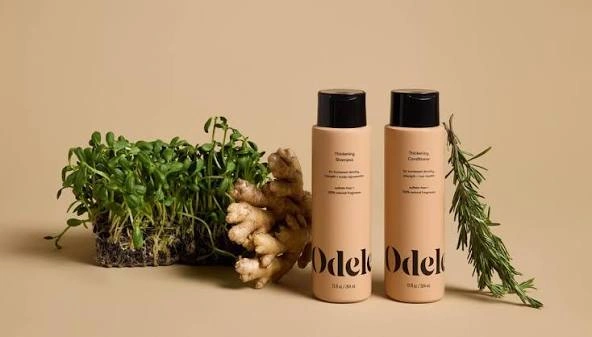
What Is the Odele Shampoo Lawsuit About?
The phrase Odele Shampoo Lawsuit is being used online primarily in connection with consumer concerns about hair loss, scalp irritation, dryness, breakage, product ingredients, and Odele’s clean-beauty positioning.
The critical point is that online discussion of a “lawsuit” is not the same thing as a filed and certified class action. Our review did not locate a reliable public court filing establishing the broad Odele shampoo class action described by some lawsuit-focused websites.
Some online articles go further, claiming that plaintiffs have accused Odele of using DMDM hydantoin or formaldehyde-releasing preservatives. That assertion conflicts with Odele’s current published ingredient information. The company states that it does not use formaldehydes or formaldehyde donors in its products.
Consumer complaints do exist. Some users have independently described increased shedding or thinning after using Odele products, but anecdotes do not prove that a particular shampoo caused the reported condition.
Odele Shampoo Lawsuit Update 2026: Where Does the Case Stand?
As of September 2026, there is no reliable evidence identified in our review showing a nationwide Odele shampoo class action settlement, court-approved compensation program, or official claims process.
That distinction affects nearly every settlement-related search surrounding the product.
| Question | Current Status |
|---|---|
| Publicly established nationwide class action | Not identified |
| Court-approved settlement | Not identified |
| Official settlement amount | None identified |
| Settlement claim form | None identified |
| Per-person payout | Not established |
| Filing deadline for settlement claims | None identified |
Odele continues to market and sell multiple shampoos and conditioners, including Volumizing, Smoothing, Clarifying, Ultra Sensitive, Moisture Repair, and Thickening products.
The company’s current terms also contain an individual arbitration provision and class-action waiver, subject to stated exceptions and other dispute procedures. Such contractual provisions can affect how certain disputes are pursued, although their application and enforceability can depend on the circumstances.
What Is the Odele Shampoo Class Action and How Does It Work?
A class action allows one or more plaintiffs to pursue claims on behalf of a larger group whose members allegedly experienced sufficiently similar legal injuries.
For a shampoo dispute, potential allegations might involve deceptive marketing, failure to disclose material information, breach of warranty, product defects, or state consumer-protection statutes. The plaintiffs would still need a viable legal claim, and a proposed class generally must satisfy applicable certification requirements before proceeding as a class.
At present, consumers should be cautious about websites discussing an “Odele shampoo class action” as though certification or settlement has already occurred. We did not identify reliable documentation establishing such a proceeding.
Odele’s terms also provide for binding individual arbitration for many disputes associated with its products or services and contain limitations on class proceedings, with specified exceptions.
What Is the Odele Beauty Lawsuit Specifically Targeting?
Online descriptions commonly connect the supposed Odele Beauty lawsuit with two different issues: alleged physical effects from hair-care products and alleged inconsistencies between product ingredients and clean-beauty marketing.
Those theories should not be presented as established allegations in an active lawsuit without an actual complaint or court record supporting them.
The marketing issue is especially important because Odele publicly describes its ingredient philosophy and says its selection process is informed by European standards and retailer clean programs. The company says its products exclude formaldehydes, formaldehyde donors, phthalates, parabens, sulfated surfactants, and synthetic fragrances.
A consumer-protection case would require more than disagreement with the phrase “clean beauty.” Plaintiffs would normally need to identify a specific representation, explain why it was false or misleading, and establish the other elements required under the applicable law.
What Do the Odele Shampoo Ingredient Allegations Actually Claim?
Some online lawsuit pages claim that Odele shampoos contain DMDM hydantoin and that this conflicts with the brand’s clean-beauty marketing.
There is a major problem with treating that statement as fact. Odele’s current ingredient glossary expressly states that the brand does not use formaldehydes or formaldehyde donors. Current ingredient lists reviewed for products such as Ultra Sensitive Shampoo and Thickening Shampoo also do not list DMDM hydantoin.
DMDM hydantoin is a real cosmetic preservative and a formaldehyde-releasing ingredient. The FDA includes it among formaldehyde-releasing ingredients that may act as cosmetic allergens.
That general scientific fact, however, does not establish that Odele currently uses the ingredient.
What Is DMDM Hydantoin and Why Is It Mentioned in Odele Lawsuit Discussions?
DMDM hydantoin is a preservative used in some cosmetic formulations to control microbial growth. It belongs to a group of substances capable of releasing small quantities of formaldehyde.
The FDA identifies DMDM hydantoin among formaldehyde-releasing cosmetic ingredients that consumers with relevant allergies or sensitivities may encounter. PubChem likewise describes it as a cosmetic preservative and formaldehyde donor.
Its presence in discussions about Odele appears to come largely from online lawsuit content rather than the brand’s current published formulations. Consumers should therefore avoid jumping from “DMDM hydantoin can release formaldehyde” to “Odele shampoo contains DMDM hydantoin.” Those are separate factual questions.
How DMDM Hydantoin Works in Hair Care Products
Preservatives help keep water-containing cosmetics from becoming contaminated by bacteria, fungi, and other microorganisms during storage and repeated use.
DMDM hydantoin performs that preservative function by releasing small amounts of formaldehyde. PubChem describes it as a broad-spectrum antimicrobial cosmetic preservative.
Its use has been evaluated by the Cosmetic Ingredient Review process. An earlier safety assessment concluded that DMDM hydantoin was safe under the cosmetic-use practices and concentrations evaluated at that time.
Individual sensitivity remains possible, which is why ingredient-specific questions should be distinguished from claims that an ingredient automatically makes a product dangerous.
Why Formaldehyde-Releasing Preservatives Raise Concerns
Formaldehyde can cause irritation and allergic contact dermatitis in susceptible individuals. Higher or prolonged inhalation exposures present different concerns, and formaldehyde is recognized as a human carcinogen.
Exposure level and route matter. The risk scenario involving a rinse-off shampoo is not automatically equivalent to occupational or salon exposure involving formaldehyde-containing smoothing treatments heated during application.
For Odele specifically, the current issue is even more fundamental: the company’s published ingredient policy says it does not use formaldehyde donors.
Does Odele Shampoo Contain Formaldehyde?
Odele currently states that its products do not contain formaldehydes or formaldehyde donors. Its ingredient glossary specifically lists both among substances the company says it does not use.
Current product formulations reviewed for this article also do not support the online claim that DMDM hydantoin is a standard Odele shampoo ingredient. For example, Odele’s published Ultra Sensitive Shampoo ingredient list includes surfactants, plant extracts, proteins, preservatives such as phenoxyethanol and sodium benzoate, and other formulation ingredients—but not DMDM hydantoin.
Formulas can change over time. Consumers investigating a product they previously used should therefore preserve the bottle and photograph its ingredient label rather than assuming today’s online ingredient list matches an older purchase.
Is There a Cancer Risk Linked to Odele Shampoo?
There is no reliable evidence identified in our review establishing that ordinary use of Odele shampoo causes cancer.
Formaldehyde itself is a recognized carcinogen under certain exposure conditions. The American Cancer Society explains that formaldehyde exposure occurs in different settings and that some cosmetics can contain formaldehyde-releasing substances. It also notes that evidence showing normal cosmetic use increases cancer risk remains limited.
That general information should not be converted into a product-specific cancer claim. Odele currently says it does not formulate with formaldehydes or formaldehyde donors.
Consumers concerned about a particular bottle should check its ingredient label and discuss medical concerns with a qualified healthcare professional.
Is Odele Shampoo Safe to Use Right Now?
There is no basis in the information reviewed here for declaring the entire Odele shampoo line unsafe.
Odele says its products undergo laboratory testing supervised and reviewed by a dermatologist. The company also states that it excludes formaldehydes and formaldehyde donors. Its Ultra Sensitive Shampoo is included in the National Eczema Association’s Seal of Acceptance product directory.
None of that guarantees that every product will work for every person. Cosmetics can cause irritation, sensitivity, dryness, or allergic reactions in individual users.
If a shampoo repeatedly causes burning, severe itching, rash, unusual shedding, or another adverse reaction, discontinuing the product and seeking appropriate medical advice is more useful than assuming the experience proves a widespread defect.
Odele Shampoo and Hair Loss: What Are Consumers Claiming?
Hair-loss complaints are one reason searches surrounding an Odele lawsuit have gained attention.
Several Reddit users have described increased shedding, thinning, brittle hair, or apparent improvement after discontinuing an Odele product. One 2024 discussion described heavy shedding while using Odele shampoo and conditioner, while other users in the thread described similar experiences.
Another user said Odele had contributed to concerning thinning. These are personal accounts rather than medical studies or findings of causation.
Other consumers report positive experiences with the brand. Some Reddit users have described Odele products as helpful for their hair, while a 2026 discussion included both a positive Thickening-line experience and a separate hair-loss complaint.
Hair Shedding and Thinning Complaints
Reported experiences include unusually heavy shedding during washing, visible thinning, reduced density, and concerns that shedding began after switching products.
Timing alone does not establish causation. Hair shedding can have many possible causes, including medical conditions, hormonal changes, nutritional issues, stress, medications, styling practices, scalp disorders, and other products.
A stronger product-related claim would normally require evidence connecting the timing and nature of the condition with the specific product rather than simply documenting that both occurred at the same time.
Hair Breakage and Dryness Concerns
Some complaints focus less on shedding from the root and more on dryness, brittle texture, tangling, or breakage.
Those distinctions can become significant in a legal or medical evaluation. Broken hair shafts are not necessarily evidence of follicular hair loss.
Product selection also matters. Odele markets different formulas for different purposes, including clarifying, smoothing, moisture repair, volumizing, sensitive-scalp, and thickening needs. A formula that feels overly cleansing or drying to one person may work well for another hair type.
Scalp Damage Claims: What Problems Are Consumers Reporting?
Online concerns involving Odele are not limited to hair shedding. Some consumers also discuss scalp sensitivity or discomfort associated with hair-care products.
Such complaints can include:
- itching or redness;
- dryness and flaking;
- burning sensations;
- tenderness;
- rash-like reactions; and
- worsening sensitivity after repeated use.
These symptoms can have numerous causes. Cosmetic ingredients, fragrance, pre-existing dermatitis, allergies, cleansing frequency, other styling products, or unrelated scalp conditions may contribute.
The FDA recognizes that cosmetic allergens can produce reactions in susceptible consumers and advises people with known sensitivities to examine ingredient labels carefully.
Scalp Irritation and Itching
Itching after using a shampoo can indicate irritation or an allergic response, but it does not identify the responsible ingredient by itself.
A dermatologist may consider the location, timing, duration, other products being used, and the person’s history when evaluating a suspected reaction.
Odele offers an Ultra Sensitive line specifically for sensitive or eczema-prone skin. The shampoo appears in the National Eczema Association’s accepted-product directory, although the organization also cautions consumers to identify ingredients that may personally trigger irritation or allergies.
Burning and Sensitivity Complaints
Persistent burning or significant sensitivity should not be treated as a normal consequence of shampooing.
A consumer experiencing such a reaction can stop using the suspected product, rinse the affected area, retain the packaging, and seek medical advice if symptoms are significant or persistent.
The exact product matters. Someone evaluating a suspected reaction should document the full product name, purchase date, lot information if available, and ingredients instead of referring only to “Odele shampoo.”
Are Odele Conditioner Products Part of the Lawsuit?
There is no confirmed class action identified here that establishes Odele conditioners as part of a pending settlement or certified case.
Conditioners do appear in consumer discussions because people frequently use matching shampoo-and-conditioner sets. Some online users therefore cannot easily isolate which product, ingredient, or combination preceded a reaction.
Odele currently sells numerous conditioners, including Volumizing, Smoothing, Ultra Sensitive, Moisture Repair, and Thickening formulations.
Anyone preserving evidence should keep both shampoo and conditioner containers if both were being used when symptoms developed.
Which Odele Shampoo and Conditioner Products Are Being Discussed?
Online conversations involve different products rather than one clearly identified formulation.
Products commonly encountered in current Odele’s shampoo and conditioner range include:
- Volumizing Shampoo and Conditioner;
- Smoothing Shampoo and Conditioner;
- Clarifying Shampoo;
- Curl Defining No-Lather Shampoo;
- Ultra Sensitive Shampoo and Conditioner;
- Moisture Repair Shampoo and Conditioner; and
- Thickening Shampoo and Conditioner.
Odele’s current product catalog confirms these distinct lines and formulations.
This distinction is legally significant. A credible product-liability or misrepresentation allegation ordinarily needs to identify the product involved. Claims cannot safely be generalized across an entire brand when different formulas contain different ingredients and serve different purposes.
How Do Clean Beauty False Advertising Claims Work?
A false-advertising case generally centers on a specific representation that allegedly caused reasonable consumers to form an inaccurate understanding of a product.
Depending on the jurisdiction and claim, a plaintiff may need to establish that the challenged statement was materially misleading, that the consumer relied on or was affected by it, and that an economic or other legally recognized injury resulted.
“Clean beauty” litigation can be complicated because the word “clean” does not automatically communicate one universally defined ingredient standard.
The precise language on the label, website, advertising, and retailer listing would therefore matter more than a generalized argument that a product was not “clean enough.”
Odele Clean Beauty Marketing Claims
Odele uses clean-beauty language in its product marketing and provides a detailed ingredient glossary explaining substances it says the brand excludes.
Its current statements include exclusions for sulfated surfactants, formaldehydes, formaldehyde donors, phthalates, parabens, and synthetic fragrances.
A false-advertising claim would need to test an actual representation against the actual product formulation at the relevant time. The mere existence of a consumer complaint would not establish that Odele’s clean-beauty representations were legally deceptive.
Ingredient Disclosure and Consumer Expectations
Ingredient labels can become important evidence when consumers argue that marketing created expectations inconsistent with a formulation.
Federal cosmetic labeling rules generally require retail cosmetic products to carry ingredient declarations. The FDA also encourages consumers concerned about cosmetic allergens to examine ingredient panels.
For an older product, preserving the original bottle is particularly useful because formulations and marketing language may change. A screenshot of a current product page cannot necessarily establish what was sold years earlier.
What Do Odele Shampoo Reviews and Complaints Say?
Consumer reviews present a mixed picture rather than a single consistent pattern.
Some users report hair shedding, thinning, dryness, or brittle texture. Other users describe Odele products positively and say particular formulations work well for their hair. Reddit discussions show both types of experiences.
Retail data also show substantial ongoing consumer use. For example, Target currently lists multiple Odele shampoos with thousands of customer reviews, including Clarifying, Volumizing, and Smoothing products.
Reviews can reveal recurring consumer concerns, but they cannot independently establish defect, causation, damages, or legal liability.
What Reddit Users Are Saying About the Odele Shampoo Lawsuit
Reddit discussions contain direct consumer experiences, but they do not establish that a lawsuit exists.
Some users say they experienced significant shedding after using Odele. In one discussion, a user said shedding decreased after discontinuing the shampoo, although that same person disclosed using minoxidil and having androgenetic alopecia—an example of why causation can be difficult to infer from an anecdote.
Other discussions contain positive comments. Users have said Odele improved their hair or worked better than alternatives, while others responding in the same communities described shedding or dryness.
Reddit is therefore useful for understanding what consumers are discussing, not for determining legal or scientific conclusions.
Odele Shampoo Settlement 2026: Has a Settlement Actually Been Reached?
No verified Odele shampoo class action settlement was identified in the information reviewed for this September 2026 update.
That means consumers should be skeptical of pages presenting settlement compensation as established fact without identifying a court, case number, settlement administrator, approval order, or settlement agreement.
A genuine class action settlement normally produces documentation explaining:
- who qualifies;
- what claims are being resolved;
- available benefits;
- important deadlines;
- objection or exclusion rights; and
- how claims must be submitted.
Without those elements, references to an Odele settlement should not be treated as evidence that compensation is available.
What Is the Odele Shampoo Settlement Amount?
There is no verified settlement amount because no confirmed Odele shampoo class action settlement matching these online claims was identified.
Any specific dollar figure presented as an established Odele settlement amount should therefore be treated cautiously unless it can be traced to an actual settlement agreement or court order.
Settlement values depend on numerous factors, including the legal claims, strength of the evidence, number of class members, alleged damages, litigation risks, insurance coverage, negotiations, and court approval.
At this stage, assigning a dollar value would be speculation rather than legal reporting.
How Much Could an Odele Shampoo Lawsuit Payout Be Per Person?
There is currently no established per-person payout.
A class action payment cannot be calculated merely from the price of a shampoo or the severity of complaints posted online. Compensation structures vary substantially between cases.
If a future case were filed and settled, benefits could theoretically depend on factors such as purchases, documented expenses, type of alleged injury, proof requirements, and the settlement structure.
Personal-injury claims can also involve different damages from consumer refund claims. Until an actual case and compensation framework exist, publishing a specific Odele payout range would be misleading.
Who Qualifies for the Odele Shampoo Lawsuit?
There is currently no verified settlement class with established eligibility requirements.
Therefore, there is no authoritative definition of who “qualifies” for compensation from an Odele shampoo class action.
If litigation develops, potential eligibility could depend on factors such as:
- the exact product purchased;
- purchase dates;
- state of residence;
- alleged injury;
- evidence of purchase;
- documented medical treatment; and
- the claims included in the case.
These are examples of evidence that can matter in consumer litigation, not current Odele settlement requirements.
Can Consumers Join the Odele Shampoo Lawsuit in 2026?
There is no confirmed nationwide class action identified here for consumers simply to “join.”
In certified class actions, eligible consumers often become class members automatically unless they exclude themselves. In other cases, consumers may submit claims after a settlement receives preliminary approval.
Individual legal claims work differently. A consumer who believes a product caused a significant injury can consult a qualified attorney about available options, applicable limitations periods, arbitration provisions, and evidence.
Odele’s current terms include dispute-resolution requirements that may affect certain claims arising from its products or services.
How to File an Odele Shampoo Claim in 2026
There is no verified settlement claims program identified for filing an Odele shampoo compensation claim.
Consumers should be cautious about providing personal, medical, or financial information to websites that describe themselves as Odele settlement claim portals without identifying an official administrator or court case.
Someone who experienced a suspected product reaction can instead:
- Stop using the suspected product if it is causing an adverse reaction.
- Keep the bottle, packaging, receipt, and lot information.
- Photograph visible hair or scalp changes.
- Document when use began and when symptoms appeared.
- Obtain appropriate medical evaluation for significant symptoms.
- Consider reporting an adverse cosmetic event to the FDA.
- Consult an attorney if substantial injury or financial loss is involved.
Is There an Official Odele Shampoo Lawsuit Claim Form?
No verified official settlement claim form was identified for an Odele shampoo class action.
A legitimate class settlement claim form is normally associated with a named case and settlement administrator. Consumers should be able to locate court documents explaining the settlement and deadlines.
A website asking consumers to enter contact information is not necessarily a settlement administrator. Some sites collect potential client leads for law firms or marketing companies.
Before submitting sensitive information, confirm what organization operates the form and what the information will be used for.
Is There an Odele Shampoo Lawsuit Filing Deadline?
There is no established class settlement claim deadline because no verified Odele shampoo settlement program was identified.
That does not mean individual legal claims have unlimited time. Statutes of limitation impose deadlines on many civil claims, and the applicable period varies based on jurisdiction, legal theory, and circumstances.
Consumers considering individual legal action should not rely on a generic deadline found in an online article.
A lawyer licensed in the relevant jurisdiction can determine which limitations period may apply to a specific situation.
Odele Beauty Class Action Settlement: Current Status and Next Steps
The current evidence does not support describing an Odele Beauty class action settlement as an established compensation program.
For consumers, the most useful approach is to watch for verifiable developments rather than speculative payout articles. A meaningful legal update would ordinarily identify an actual case name, court, docket number, filed complaint, certification decision, settlement agreement, or administrator.
Odele continues selling its hair-care products, and its current published ingredient policy states that the company excludes formaldehydes and formaldehyde donors.
Until documented litigation establishes otherwise, settlement, payout, and claims-form searches should be treated as unconfirmed.
How to Separate Odele Lawsuit Facts From Online Claims
Legal content about consumer products can spread quickly because one article may repeat claims from another without checking the underlying court record.
A useful verification process is to look for:
- an identifiable plaintiff and defendant;
- a court and case number;
- the actual complaint;
- orders or docket entries;
- named attorneys;
- an official settlement agreement; and
- a court-authorized settlement administrator.
Scientific claims require similar scrutiny. The fact that DMDM hydantoin is a formaldehyde-releasing preservative is documented. That does not prove that Odele shampoo contains it.
Odele’s current ingredient policy says precisely the opposite: formaldehydes and formaldehyde donors are among the ingredients the brand says it excludes.
What Evidence Could Matter in an Odele Hair Loss Claim?
If a consumer believes a hair-care product caused a significant injury, evidence becomes central to evaluating the claim.
Useful records can help establish what product was used, when exposure occurred, what symptoms developed, and what losses followed.
No single item automatically proves causation. A combination of contemporaneous records can be considerably more informative than a recollection made months later.
Proof of Purchase
Receipts, retailer account histories, online order confirmations, bank records, and photographs of the purchased product can establish when and where it was obtained.
Proof of purchase may also identify the specific formulation and approximate period of use.
Even without a receipt, consumers should preserve other evidence rather than assuming a potential claim is impossible.
Photos of Hair or Scalp Problems
Dated photographs can document visible changes such as thinning, bald areas, redness, rash, flaking, or other scalp conditions.
Photos taken before product use can provide a useful comparison.
Images should be retained in their original form when possible. Editing, filters, or heavy image processing can reduce their usefulness as documentation.
Medical and Treatment Records
Medical records may become particularly important when someone alleges significant hair loss, dermatitis, allergic reaction, or another physical injury.
A dermatologist or other healthcare professional may document symptoms, diagnosis, treatment, alternative explanations, and progression.
Medical documentation does not automatically establish that a shampoo caused the condition, but it can provide objective evidence about the nature and timing of the injury.
Product Packaging and Ingredient Labels
Keep the original bottle if possible.
Packaging can preserve the exact product name, ingredients, warnings, directions, lot code, marketing language, and other information associated with the product actually used.
This can be especially valuable when formulas change. Current online ingredient pages may not necessarily reproduce the formulation printed on an older bottle.
What Should You Do If You Experienced Hair Loss or Scalp Irritation?
Consumers experiencing unusual shedding, scalp irritation, burning, or another significant reaction should focus first on documenting and addressing the problem rather than assuming a lawsuit guarantees compensation.
Reasonable steps include discontinuing a product that appears to trigger symptoms, retaining the packaging, photographing visible changes, and writing down the dates of product use and symptom development.
Persistent or substantial hair loss should be evaluated medically because numerous conditions can cause shedding or thinning.
Consumers can also report adverse cosmetic experiences to the FDA. The agency encourages reporting of problems associated with cosmetic and hair products and advises consumers experiencing adverse reactions to contact healthcare professionals.
For significant injuries, a consumer attorney can evaluate potential legal rights based on the actual evidence and applicable state law.
What Could Happen Next in the Odele Shampoo Lawsuit?
Several developments could change the legal picture in the future.
Consumers could file individual claims or a proposed class action. Regulators could receive additional adverse-event reports. New testing or scientific evidence could emerge. A company could also modify formulations, labels, or marketing without any litigation.
None of those possibilities should be presented as something that has already happened.
A genuine lawsuit update would require new, verifiable documentation such as a filed complaint, court docket, judicial decision, regulatory announcement, or settlement filing.
Until such evidence appears, the most accurate characterization is that Odele has generated consumer complaints and online lawsuit searches, but the broad class action and settlement claims circulating online remain unsubstantiated by the reliable information reviewed for this article.
Read: Exploring CNLawBlog
Read: Native Hair Loss Lawsuit
Read: BSA Lawsuit Settlement
Read: SheaMoisture Lawsuit
Read: NetVideoGirls Lawsuit
Read: Vital Proteins Lawsuit
Frequently Asked Questions
Is there an Odele Shampoo Lawsuit in 2026?
No verified nationwide class action matching the widely circulated online claims was identified as of September 2026. Consumer complaints should not be confused with filed litigation.
Does Odele shampoo contain DMDM hydantoin?
Odele’s current published ingredient information says the brand does not use formaldehyde donors, and reviewed current shampoo ingredient lists do not show DMDM hydantoin.
Has an Odele shampoo settlement been reached?
No verified court-approved settlement was identified. Claims about settlement amounts or payouts should be checked against actual court documents before being relied upon.
Can Odele shampoo cause hair loss?
Some consumers report shedding after using Odele products, but individual reports do not prove causation. Hair loss can result from numerous medical and environmental factors.
Is there an Odele lawsuit claim form?
No verified official settlement claim form was identified. Consumers should be cautious with websites collecting information without identifying a court-approved settlement administrator.
Final Thoughts
Searches for the Odele Shampoo Lawsuit combine genuine consumer concerns with legal claims that currently lack clear supporting court documentation. Consumers have posted hair-loss, shedding, dryness, and scalp-related complaints, but other users report positive experiences. Those anecdotes do not establish product defect or legal liability.
Claims that Odele shampoo contains DMDM hydantoin also require particular caution. DMDM hydantoin is a recognized formaldehyde-releasing preservative, but Odele’s current ingredient policy says the company does not use formaldehydes or formaldehyde donors.
As of September 2026, no verified class settlement, payout amount, official claim form, or settlement deadline was identified. Consumers experiencing significant problems should preserve evidence, seek appropriate medical evaluation, and base legal decisions on documented filings rather than unsupported online settlement claims.

