
The Friday the 13th Lawsuit was a major copyright dispute involving screenwriter Victor Miller, Horror Inc., and Manny Company over ownership rights connected to the original 1980 Friday the 13th screenplay. The litigation attracted attention because its outcome affected one of horror cinema’s best-known franchises and raised complex questions about copyright termination and works made for hire.
Many fans searching for the case want to know who won, whether the lawsuit is still active, whether a settlement occurred, and who now controls Jason Voorhees and the broader franchise.
The key court battle has been resolved, but the answer to franchise ownership is not as simple as saying one side owns everything. This article explains the rulings, the rights Miller recovered, the rights that remained outside the judgment, the effect on Friday the 13th: The Game, and what the legal situation means in 2026.
Friday the 13th Lawsuit Explained: What Was the Dispute About?
The dispute centered on the copyright to Victor Miller’s screenplay for the original Friday the 13th. Miller wrote the screenplay in 1979 after being hired by Manny Company, a production company connected with producer Sean S. Cunningham.
Decades later, Miller invoked the Copyright Act’s termination provisions to reclaim rights he had previously transferred. Horror Inc. and Manny Company challenged that effort, arguing that Miller had created the screenplay as an employee and that it therefore qualified as a “work made for hire.”
That distinction controlled the case. An author can potentially terminate certain old copyright grants under federal law, but a person generally cannot use that termination right to reclaim a work legally created as a work made for hire.
The U.S. District Court for the District of Connecticut ultimately concluded that Miller was not an employee for copyright purposes and that his termination was valid. The Second Circuit later affirmed that ruling.
Why Did the Friday the 13th Copyright Dispute Begin?
The dispute emerged because federal copyright law gives qualifying authors an opportunity, after a statutory period, to terminate earlier transfers of copyright.
Miller had transferred his interest in the screenplay decades earlier. In 2016, he served termination notices seeking to recover the rights covered by those grants.
Horror Inc. and Manny Company disputed his ability to do so. Their central position was that Miller had produced the screenplay as an employee, making the screenplay a work made for hire. If that argument succeeded, Miller would not have been considered the copyright author with termination rights under Section 203.
The litigation therefore became less about whether Miller physically wrote the screenplay—his screenwriting role was not the central controversy—and more about his legal employment status under copyright law.
Who Were the Main Parties in the Lawsuit?
The defendant and counterclaimant was Victor Miller, the credited screenwriter of the original Friday the 13th screenplay.
The plaintiffs were Horror Inc. and Manny Company. Manny Company had contracted with Miller to write the screenplay, while Horror Inc. later became a successor in interest to rights associated with the franchise.
Sean Cunningham was critically important to the history of the film as its producer and as the person who approached Miller about writing the project, although the federal case itself was captioned Horror Inc. and Manny Company v. Victor Miller.
The dispute was therefore primarily a copyright ownership case between Miller and the companies claiming rights derived from the original production arrangements.
What Rights Was Victor Miller Trying to Reclaim?
Miller sought to terminate the earlier transfer of his copyright interest in his original screenplay.
His termination notice covered the original screenplay and, according to the Second Circuit’s description of the notice, the elements contained in that work along with earlier drafts or iterations covered by the grant.
That did not automatically mean Miller would obtain every intellectual-property right later associated with the Friday the 13th franchise.
Later films introduced additional copyrightable material, including versions and characteristics of Jason that were not part of Miller’s original screenplay. The district court specifically stated that Miller’s termination notices did not purport to terminate a separate copyright in the adult Jason character appearing in later films.
Friday the 13th Lawsuit Update 2026: Where Things Stand Now
As of 2026, the principal copyright ownership case between Horror Inc., Manny Company, and Victor Miller is no longer an unresolved lawsuit awaiting a decision.
Miller prevailed in federal district court in September 2018. Horror Inc. and Manny Company appealed, but the U.S. Court of Appeals for the Second Circuit affirmed the ruling on September 30, 2021. A later district court decision in September 2022 addressed Miller’s request for attorneys’ fees and awarded fees in part.
The practical result is a divided intellectual-property landscape rather than one party obtaining every component of the franchise. Miller recovered U.S. copyright rights covered by his valid termination, while rights in later-created franchise material were not resolved in his favor by that judgment.
Importantly, the split has not made new franchise activity impossible. Horror Inc. announced the Jason Universe initiative in 2024 and expressly said it was working with Victor Miller and attorney Marc Toberoff on new projects. Peacock has also announced the Crystal Lake television project with Miller among its executive producers.
Is the Friday the 13th Lawsuit Still Active?
The central copyright case is not still active in the sense of an unresolved trial or appeal over whether Miller’s termination was valid.
The district court granted Miller summary judgment in 2018, and the Second Circuit affirmed that judgment in 2021. The later attorneys’ fee proceeding produced another district court decision in September 2022.
The legal consequences of the decision continue to matter because different rights associated with the franchise remain controlled by different interests.
Therefore, readers should distinguish between an ongoing lawsuit and an ongoing rights-management issue. The original litigation reached a judicial resolution, while licensing and cooperation remain relevant to future projects.
What Is the Current Status of the Copyright Dispute?
The decisive question in the litigation—whether Miller could terminate the grant of his screenplay copyright—was resolved in Miller’s favor.
The Second Circuit held that Miller was an independent contractor rather than an employee for purposes of federal copyright law. As a result, his Section 203 termination notice was effective against Manny Company and its successors with respect to the rights covered by that notice.
No court ruling gave Miller unrestricted ownership of everything developed throughout the franchise.
Instead, the scope of his recovered rights is connected to the original screenplay, while subsequent creative material and other forms of intellectual property can involve separate ownership.
Are the Friday the 13th Rights Still Split?
Yes. It is more accurate to describe the franchise rights as divided than to say the entire franchise belongs exclusively to Miller or exclusively to Horror Inc.
The litigation confirmed Miller’s ability to recover the copyright interest covered by his original grant in the United States. However, the district court expressly declined to decide ownership of a separate copyright in adult Jason because that question was not ripe for resolution in the case.
Later franchise developments also show cooperation between rights holders. When Horror Inc. launched Jason Universe in 2024, its president stated that the company was working with Victor Miller and Marc Toberoff on future projects.
That cooperation is significant because projects combining original-film elements and later franchise material can require multiple sets of rights.
When Did the Friday the 13th Lawsuit Start?
The legal conflict began after Miller exercised his statutory copyright termination rights in 2016.
He served notices designed to terminate rights originally transferred under his 1979 writing arrangement. Horror Inc. and Manny Company responded by filing a declaratory judgment action in the U.S. District Court for the District of Connecticut.
The federal case was filed in 2016 under docket number 3:16-cv-1442. The companies asked the court to determine that Miller had created the screenplay as a work made for hire and therefore lacked the authorship rights required to terminate the original transfer.
What Happened When Victor Miller Filed His Copyright Termination Notice?
Miller served termination notices in 2016 under Section 203 of the Copyright Act.
His position was that he was the author of the screenplay and had transferred his rights decades earlier. Because enough time had passed, he argued that federal copyright law permitted him to terminate that grant and recover the covered U.S. rights.
The notices did not immediately end the disagreement.
Horror Inc. and Manny Company challenged Miller’s legal status as an author entitled to termination. Their lawsuit sought a judicial declaration that Miller’s writing had instead been created as a work made for hire.
That dispute placed the meaning of Miller’s 1979 working relationship with Manny Company at the center of the case.
Why Did Horror Inc. and Manny Company Sue Victor Miller?
Horror Inc. and Manny Company sued because they disputed the validity of Miller’s termination notices.
Their argument depended heavily on the work-made-for-hire doctrine. They contended that Miller’s relationship with Manny Company made him an employee when he wrote the screenplay.
If the screenplay was a work made for hire, the hiring party—not Miller—would be treated as its legal author for copyright purposes.
Under that interpretation, Miller would have had no transferable authorship interest to reclaim through Section 203.
The district court rejected that position after applying federal copyright principles governing employee status, and the appellate court later agreed.
Victor Miller vs. Horror Inc.: The Copyright Battle Explained
The lawsuit can be understood as a dispute over two competing descriptions of Miller’s professional relationship with the original production company.
Horror Inc. and Manny Company characterized the arrangement in a way that supported employee status. Miller argued that, despite contractual and Writers Guild arrangements, he functioned as an independent contractor for purposes of copyright law.
The courts determined that federal copyright principles—not simply labor terminology or the labels used in a contract—controlled the question.
That conclusion allowed Miller to qualify as an author capable of exercising termination rights.
Who Is Victor Miller?
Victor Miller was the credited screenwriter of the original Friday the 13th screenplay.
According to the court record, producer Sean Cunningham contacted Miller in 1979 about collaborating on a horror-film project, with Miller handling screenwriting responsibilities.
Miller’s screenplay provided foundational elements associated with the first film, including the Camp Crystal Lake setting, Pamela Voorhees, and the backstory involving her son Jason.
His authorship became legally important decades later because Section 203 termination rights are tied to authorship. If Miller was legally the author rather than an employee producing a work for hire, he could potentially terminate the earlier grant.
Both the district court and Second Circuit ultimately accepted the independent-contractor analysis for copyright purposes.
What Is Horror Inc.?
Horror Inc. is a company that acquired interests associated with the Friday the 13th franchise through the chain of ownership following the original production.
Court records explain that Manny’s rights in the film and screenplay were transferred to Georgetown Productions and that Horror Inc. later acquired franchise interests from Georgetown. Horror Inc. therefore became a successor in interest relevant to Miller’s termination effort.
Because Miller sought to terminate rights that had moved through that chain, Horror Inc. had a direct interest in challenging his termination notice.
The company’s role has continued beyond the litigation. In 2024, Horror Inc. announced Jason Universe as an initiative covering entertainment, games, merchandise, and other projects involving Jason.
What Was Sean Cunningham’s Role in Friday the 13th?
Sean S. Cunningham was the producer behind the original film and played a major role in initiating the project.
The Second Circuit record states that Cunningham contacted Miller to collaborate on the horror project and that Manny Company hired Miller to write the screenplay.
Cunningham also exercised substantial creative and production influence. However, control over a project’s final product does not automatically resolve whether a writer is an employee under copyright law.
The courts had to examine the actual legal relationship using the relevant common-law agency factors rather than simply treating Cunningham’s role as producer as proof that Miller’s writing was work made for hire.
Why Did the Work-for-Hire Question Matter?
The work-for-hire issue effectively determined whether Miller could use Section 203.
If Miller had written the screenplay as an employee within the scope of his employment, the employer would generally be considered the statutory author. Miller would therefore have no qualifying copyright grant of his own to terminate.
If Miller was an independent contractor who initially owned the copyright and later transferred it, Section 203 could permit him to terminate that transfer after the statutory period.
The courts concluded that he fell into the latter category.
That is why the litigation focused extensively on employment factors, the Writers Guild agreement, Miller’s method of working, the project’s scope, compensation, employee benefits, tax treatment, and related evidence.
Friday the 13th Copyright Issues Explained
The case involved a specialized part of U.S. copyright law rather than a conventional dispute over plagiarism or unauthorized copying.
No central issue was whether someone had secretly copied Miller’s screenplay. Instead, the parties disagreed over who legally held the screenplay copyright decades after Miller’s original agreement.
Section 203 exists partly because authors may transfer valuable works early in their careers before knowing how commercially successful those works will become.
The Friday the 13th case illustrates how that termination mechanism can become especially important when the original work later develops into a major entertainment franchise.
What Is Copyright Termination Under Section 203?
Section 203 of the Copyright Act permits qualifying authors to terminate certain grants or transfers of copyright after a specified statutory period.
The provision applies to grants executed by authors on or after January 1, 1978, subject to detailed timing, notice, and eligibility rules.
One of the major exceptions concerns works made for hire.
If a work legally qualifies as a work made for hire, the hiring party is generally treated as the author from the outset. The individual creator therefore does not possess the same termination right regarding that work.
For Miller, the crucial question was whether his 1979 screenplay fell inside or outside that exception.
The courts found it fell outside because he was an independent contractor for copyright purposes.
Was Victor Miller an Employee or an Independent Contractor?
For copyright purposes, the courts found that Miller was an independent contractor.
Horror Inc. and Manny Company argued that his Writers Guild membership, the collective bargaining framework, and other features of his relationship with Manny supported employee status.
The Second Circuit rejected the argument that labor-law treatment should control the copyright determination.
Instead, the appellate court applied the common-law agency framework used in copyright cases. It agreed with the district court that the relevant factors supported independent-contractor status.
Because Miller was not an employee under that framework, the screenplay was not excluded from termination as an employee-created work made for hire.
Why Was the Original Screenplay Central to the Case?
The screenplay was central because it was the work Miller authored and the copyright interest he had originally transferred.
The termination notice did not function as a blanket transfer of every later Friday the 13th copyright to Miller.
Later films introduced new characters, visual features, plot developments, and other creative material. Those later contributions may constitute separately protected derivative elements.
That distinction became especially important for Jason Voorhees.
Although the original story contains Jason as part of its backstory and depicts him differently, the adult hockey-mask-wearing killer identified with later installments evolved through subsequent films.
The district court therefore limited its ruling to the screenplay rights before it.
Who Won the Friday the 13th Lawsuit?
Victor Miller won the central copyright dispute.
The District of Connecticut granted summary judgment in his favor on September 28, 2018. The court concluded that Miller did not prepare the original screenplay as a work made for hire and that his termination notice validly terminated the relevant rights previously held through Horror Inc.’s chain of title.
Horror Inc. and Manny Company appealed.
On September 30, 2021, the Second Circuit affirmed the district court’s judgment. It agreed that Miller was an independent contractor under copyright law and therefore could exercise the statutory termination right.
That victory must still be described carefully. Miller won the case concerning his screenplay copyright termination; he did not receive a judicial declaration making him the sole owner of every character, trademark, sequel, and franchise asset.
What Did the District Court Decide?
Judge Stefan R. Underhill granted Miller’s motion for summary judgment and denied the plaintiffs’ motion for partial summary judgment.
The court held that Miller did not prepare the screenplay as a work made for hire.
It also held that Miller’s applicable termination notice validly terminated Horror Inc.’s rights in the copyright to the screenplay.
The court declared Miller the sole owner of the copyright in the Friday the 13th screenplay effective from the relevant termination date.
At the same time, the decision specifically noted that Miller’s notices did not purport to terminate a separate copyright in the later adult Jason character. That question was left unresolved because there was no ripe dispute requiring the court to decide it.
What Did the Second Circuit Court of Appeals Decide?
The Second Circuit affirmed the district court.
Its September 30, 2021 decision concluded that Miller was an independent contractor when he wrote the screenplay.
The court rejected the argument that his relationship under Writers Guild labor arrangements should override the test used to define employee status for copyright purposes.
The appellate court explained that copyright law and labor law serve different purposes. It therefore applied the common-law agency analysis governing copyright authorship.
Because Miller was an independent contractor, the court concluded that he possessed authorship rights and that his Section 203 termination notice was effective against Manny and its successors.
Why Did Victor Miller Win the Copyright Case?
Miller won because the courts determined that his screenplay was not created as an employee work made for hire.
Several aspects of the relationship supported that conclusion. The Second Circuit examined factors including the discrete nature of the screenplay assignment, the manner in which Miller worked, compensation arrangements, benefits, tax treatment, and the parties’ relationship.
The appellate court also declined to treat Writers Guild membership as proof that Miller was necessarily an employee for copyright purposes.
Once Miller qualified as an independent contractor and author, the work-for-hire barrier fell away.
His termination notice could therefore operate under Section 203, provided its other requirements were satisfied. The courts concluded that the relevant notice was effective.
What Rights Did Victor Miller Win?
Miller recovered important U.S. copyright rights associated with the original screenplay, but his victory did not transfer the entire franchise to him.
The district court declared him the owner of the screenplay copyright following the effective termination of his earlier grant. The appellate court upheld that outcome.
The precise scope matters.
A copyright in an original screenplay can protect original expression and copyrightable elements appearing in that work. It does not automatically absorb separately created expression that appeared for the first time in later sequel films.
The court also stressed that Section 203 termination is territorially limited in important respects, meaning Miller’s victory should not be described as worldwide ownership of the franchise.
Does Victor Miller Own the Original Friday the 13th Screenplay?
Within the scope of the U.S. termination addressed by the case, yes.
The district court expressly declared Miller the sole owner of the copyright in the original Friday the 13th screenplay following the effective date of his valid termination notice.
The Second Circuit affirmed the legal basis for that result.
However, owning the screenplay copyright is different from owning the complete franchise.
Trademark rights, later sequel copyrights, newly created character expression, contractual rights, foreign rights, and other intellectual-property interests may belong to different parties.
That distinction is why statements such as “Victor Miller owns Friday the 13th” can be misleading unless the speaker specifies which rights are being discussed.
Which Characters and Story Elements Are Covered by Miller’s Rights?
Miller’s termination notice extended to the original screenplay and copyrightable elements contained in the work covered by his grant.
That means characters, settings, and story material originating in Miller’s screenplay can fall within the recovered copyright to the extent copyright law protects those elements.
The scope is not unlimited.
Copyright protects original expression rather than every general concept, name, genre convention, or idea. Additionally, later creators may own separately protectable expression added in derivative works.
This is particularly relevant to Jason. The child Jason/backstory found in the original material is legally different from assuming that Miller necessarily owns every later version of adult Jason.
The district court deliberately avoided deciding a separate adult-Jason copyright question.
Do Victor Miller’s Rights Apply Outside the United States?
The termination rights established under Section 203 operate under U.S. copyright law and do not automatically terminate grants covering foreign copyright rights.
The district court’s analysis treated the statutory termination as territorially limited.
Horror Inc. also emphasized this distinction publicly after the original ruling, stating that the decision did not give Miller rights to exploit his recovered screenplay elements outside the United States.
The safest description is therefore that Miller’s court victory concerned his U.S. copyright termination rights.
International exploitation can involve the continuing contractual and copyright interests of other parties, which further contributes to the franchise’s complicated ownership structure.
Who Owns Jason Voorhees?
There is no simple one-name answer covering every version of Jason Voorhees.
The character evolved over multiple films. Miller’s original screenplay established Jason as Pamela Voorhees’ son, whose presumed childhood drowning motivates her actions.
The famous adult slasher version developed afterward.
The district court specifically stated that Miller’s termination notices applied only to his original screenplay and did not purport to terminate a separate copyright in the adult Jason character appearing in later films.
Consequently, it is inaccurate to interpret Miller’s victory as a judicial ruling that he owns every version of Jason.
Does Victor Miller Own Jason Voorhees?
Miller owns rights arising from copyrightable Jason-related material contained in his original screenplay, subject to the limits of the ruling and U.S. copyright law.
However, the adult Jason familiar from later films was not resolved as part of Miller’s screenplay victory.
The original screenplay establishes Jason as a child connected to the events at Camp Crystal Lake. Later filmmakers developed the adult killer and additional characteristics across subsequent installments.
Because those later elements were created outside Miller’s screenplay, ownership becomes a derivative-work issue.
Therefore, saying simply that “Miller owns Jason” leaves out the crucial distinction between original-screenplay elements and later franchise expression.
Who Owns Adult Jason and the Hockey Mask?
Miller’s court victory did not award him a separate copyright in adult Jason or the hockey-mask version of the character.
The district court expressly stated that adjudicating a separate copyright in adult Jason would require a ripe dispute specifically presenting that question.
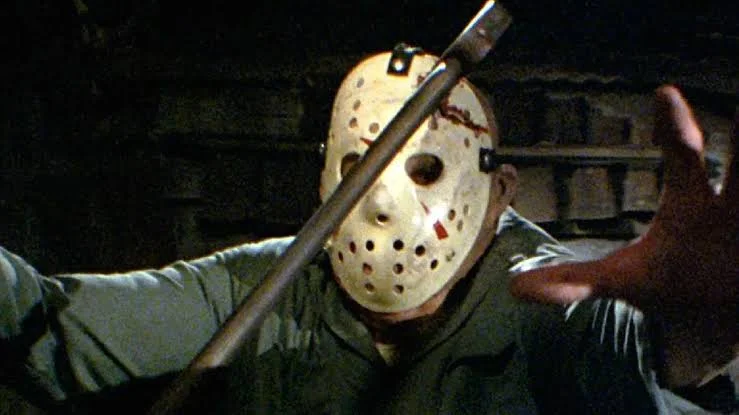
The iconic hockey mask was introduced in the franchise after the original 1980 film, meaning it was not part of Miller’s original screenplay.
Horror Inc. has continued to exploit and promote the later hockey-mask version of Jason, including through its Jason Universe initiative announced in 2024.
For SEO and legal accuracy, the better formulation is that later Jason elements remained outside the copyright rights Miller recovered through the lawsuit.
Why Are the Rights to Jason More Complicated Than the Original Screenplay?
Jason changed substantially as the franchise expanded.
The original screenplay and first film provide the character’s foundational backstory, but the recognizable adult killer was developed through sequel material.
Copyright law allows derivative works to contain separately protectable new expression while still depending on pre-existing material.
That creates overlapping interests.
A creator of later material does not automatically acquire ownership of the underlying original work. At the same time, the underlying author does not automatically acquire every new copyrightable element added by later creators.
This explains why combining the entire mythology—Camp Crystal Lake, Pamela Voorhees, original-story elements, adult Jason, the hockey mask, and sequel developments—can require more complicated licensing than simply making a project from one isolated set of rights.
Who Owns the Friday the 13th Franchise Now?
No single sentence accurately captures ownership of every Friday the 13th asset.
Victor Miller recovered the U.S. copyright interest in his original screenplay through statutory termination.
Horror Inc. retained significant interests connected with the broader franchise and later-created material. Other rights, including trademarks, contracts, distribution interests, derivative works, and territorial rights, can require separate analysis.
Rather than thinking of the franchise as one copyright that changed hands, it is more accurate to think of it as a bundle of intellectual-property rights.
The industry’s response has increasingly involved cooperation. Horror Inc.’s 2024 Jason Universe announcement explicitly stated that it was working with Miller and Marc Toberoff on new projects.
What Rights Does Victor Miller Control?
Miller’s strongest court-confirmed position involves his U.S. copyright interest in the original screenplay and the copyrightable expression covered by his termination notice.
The ruling does not mean he received trademarks, every sequel copyright, or every later version of franchise characters.
His recovered rights nevertheless matter significantly.
A project drawing heavily on the original screenplay’s protected expression may need access to Miller’s rights, particularly in the United States.
This practical reality helps explain why collaboration became an important path forward after the litigation.
Peacock’s Crystal Lake announcement identified Miller as an executive producer, illustrating that the rights dispute did not permanently prevent him from participating in new franchise productions.
What Rights Does Horror Inc. Control?
Horror Inc. continues to hold and exploit significant intellectual-property interests associated with the franchise, particularly material outside the screenplay copyright recovered by Miller.
The 2018 judgment did not award Miller separate copyright ownership of the later adult Jason character.
Horror Inc. has publicly positioned itself as the entity behind Jason Universe, an initiative focused on the hockey-mask-wearing Jason across entertainment, gaming, merchandise, immersive experiences, and other formats.
However, describing Horror Inc. as owning “everything except the first screenplay” would also oversimplify the situation.
Specific projects may implicate copyrights, trademarks, contracts, territorial rights, and underlying versus derivative creative material differently.
What Rights Does Sean Cunningham Control?
Sean Cunningham’s involvement is closely connected to the production and business history of the franchise, but it is important not to equate his personal role with ownership of every copyright.
The litigation focused on rights held through companies such as Manny Company and Horror Inc. rather than a court declaration that Cunningham personally owned the entire franchise.
Cunningham was the producer who initiated the original project and worked with Miller during its development.
Corporate entities and successors later controlled various franchise interests.
Accordingly, determining what Cunningham personally controls today requires examining the specific corporate, contractual, trademark, and copyright interest involved rather than treating “Sean Cunningham” and “Horror Inc.” as legally interchangeable in every context.
When Did the Friday the 13th Lawsuit End?
The most important appellate stage ended on September 30, 2021, when the Second Circuit affirmed the district court’s ruling in Miller’s favor.
That date is generally the clearest endpoint for readers asking when the copyright ownership battle was decided.
There was later district court activity involving attorneys’ fees. On September 26, 2022, Judge Underhill granted Miller’s fee motion in part and denied it in part.
Therefore, 2021 marks the decisive appellate resolution of the core copyright issue, while 2022 included consequential post-judgment proceedings.
When Was the Final Appeal Decided?
The Second Circuit issued its decision on September 30, 2021.
The appellate court affirmed the district court’s judgment that Miller had been an independent contractor for copyright purposes and could validly terminate the grant of his screenplay rights.
That ruling preserved the central victory Miller had obtained in 2018.
The decision is reported as Horror Inc. v. Miller, 15 F.4th 232 (2d Cir. 2021).
For readers following the franchise rather than the procedural details, this was the key moment when the earlier judgment survived appellate review.
Did Horror Inc. Appeal the Original Court Decision?
Yes.
After the district court ruled in Miller’s favor in September 2018, Horror Inc. and Manny Company appealed to the U.S. Court of Appeals for the Second Circuit.
Their appellate arguments again challenged the conclusion that Miller was an independent contractor rather than an employee.
The appeal also addressed related questions concerning the legal framework used to determine Miller’s status.
The Second Circuit rejected the arguments for reversal and affirmed Miller’s victory on September 30, 2021.
As a result, the district court ruling was not merely an untested trial-level determination; it received substantive appellate review.
What Happened After the Second Circuit Ruling?
After the Second Circuit affirmed the judgment, the litigation returned to the district court for issues including attorneys’ fees.
Miller sought to recover fees under federal copyright law and other asserted grounds.
In September 2022, the district court granted that motion in part and denied it in part. Contemporary legal reporting states that Miller was awarded approximately $886,565 in attorneys’ fees.
Outside the courtroom, attention shifted toward how the separated rights could be used commercially.
Subsequent projects demonstrate that collaboration was possible. Peacock announced Crystal Lake with Miller among the executive producers, while Horror Inc. later announced that it was working with Miller and Marc Toberoff through Jason Universe.
How Long Was the Friday the 13th Lawsuit?
The central litigation lasted roughly five years from the 2016 filing until the Second Circuit’s September 2021 decision.
If the later attorneys’ fee proceedings are included, federal court activity continued into 2022.
The dispute originated even before the lawsuit itself because Miller’s copyright termination notices triggered the controversy.
Readers therefore encounter different answers depending on whether “how long” refers to the core ownership litigation, the appellate process, or every related post-judgment proceeding.
Friday the 13th Lawsuit Timeline
The major stages were:
- 1979: Victor Miller writes the original screenplay under his arrangement with Manny Company.
- 1980: Friday the 13th is released.
- 2016: Miller serves copyright termination notices and the federal lawsuit is filed.
- September 28, 2018: The District of Connecticut grants summary judgment to Miller.
- September 30, 2021: The Second Circuit affirms Miller’s victory.
- September 26, 2022: The district court rules on Miller’s attorneys’ fee request.
- 2022 onward: New franchise projects begin demonstrating practical cooperation among relevant rights holders.
- 2024: Horror Inc. publicly announces Jason Universe and says it is working with Miller and Marc Toberoff.
Key Court Dates and Decisions
| Date | Development | Result |
|---|---|---|
| 2016 | Miller invokes Section 203 and litigation begins | Ownership dispute reaches federal court |
| September 28, 2018 | District court summary judgment | Miller wins |
| September 30, 2021 | Second Circuit appeal | District court affirmed |
| September 26, 2022 | Attorneys’ fee decision | Miller’s motion granted in part |
The most legally significant decisions are the 2018 summary judgment ruling and the 2021 appellate opinion.
Together, they establish the controlling result of the case: Miller was not an employee for copyright purposes, his screenplay was not an employee-created work made for hire, and the relevant termination notice was effective.
Was the Friday the 13th Lawsuit Settled?
The central ownership dispute was decided by the courts, not resolved through a publicly announced settlement replacing the judgment.
The district court ruled in Miller’s favor, and Horror Inc. and Manny Company pursued an appeal.
The Second Circuit then affirmed the judgment.
That procedural history differs from a case in which the parties privately settle, dismiss their claims, and avoid a final judicial decision.
There have been business arrangements and cooperation involving franchise projects since the litigation, but those should not be confused with a settlement of the original lawsuit.
Was There a Settlement Between Victor Miller and Horror Inc.?
There was no publicly announced settlement resolving the principal copyright ownership claim instead of a court judgment.
Miller obtained summary judgment in 2018, and the companies appealed that judgment.
The Second Circuit’s 2021 decision then affirmed Miller’s position.
That means the legal result was produced by adjudication.
Later cooperation between relevant franchise interests is separate from saying the copyright lawsuit itself settled.
For example, Horror Inc. publicly announced in 2024 that it was working with Miller and Marc Toberoff on projects connected with Jason Universe.
That business cooperation does not erase or replace the federal court decisions.
Was Any Settlement Amount Announced?
No publicly confirmed settlement amount was announced for the copyright ownership lawsuit because the core case did not end through a reported monetary settlement.
One figure that can cause confusion is the attorneys’ fee award following Miller’s victory.
In 2022, the district court awarded Miller approximately $886,564.88 in attorneys’ fees after granting his motion in part. That was a court-ordered fee award, not a settlement payment for surrendering his copyright claim.
There were also earlier historical payments and residual disputes involving Miller, but those predated this copyright termination lawsuit and should not be presented as the settlement of the 2016 case.
What Happened After Victor Miller Won the Case?
Miller’s victory established his U.S. screenplay rights following termination, but it did not immediately consolidate the entire franchise under one owner.
Instead, the outcome created practical licensing challenges because later franchise material remained separate from the rights Miller reclaimed.
Over time, the public picture shifted from litigation toward collaboration.
Peacock announced Crystal Lake, a television project involving Miller as an executive producer. Horror Inc. subsequently launched Jason Universe and publicly described Miller and Marc Toberoff as collaborators on upcoming projects.
Those developments show why “the lawsuit killed Friday the 13th forever” is no longer an accurate description of the franchise’s position.
How Did the Lawsuit Affect the Friday the 13th Franchise?
The lawsuit created substantial uncertainty around projects that might require both original-film material and later franchise elements.
While litigation remained unresolved, studios and licensees faced a difficult question: which party would ultimately control the rights necessary to authorize future uses?
That uncertainty could make major films, games, and other productions commercially risky.
The situation became clearer once Miller prevailed on appeal, although the ruling confirmed a divided ownership structure rather than placing the entire property under a single owner.
Today, that division can be addressed through licensing and cooperation between relevant rights holders.
Why Did the Copyright Dispute Complicate New Friday the 13th Projects?
Entertainment projects frequently require a clean “chain of title,” meaning producers must know that they have permission from everyone controlling the rights they intend to use.
During the lawsuit, it was uncertain whether Miller’s termination would be upheld.
A new project using original-screenplay material could therefore face questions about who had authority to license those elements.
At the same time, avoiding Miller’s material might restrict access to foundational parts of the story.
This created practical uncertainty beyond the courtroom.
The game industry’s response showed how seriously licensees treated the problem: the publisher of Friday the 13th: The Game publicly stated that the legal claim made future new content unfeasible.
Could a New Friday the 13th Movie Be Made After the Lawsuit?
Yes. The lawsuit does not create a permanent legal prohibition against new Friday the 13th productions.
The main challenge is obtaining the rights necessary for the specific creative elements a new project intends to use.
A production based entirely on later material raises different licensing questions from one using Miller’s screenplay characters, settings, and story elements.
A comprehensive franchise film may therefore benefit from agreements among multiple rights holders.
Subsequent developments show that cooperation is possible. Horror Inc. said in 2024 that it was working with Miller and Marc Toberoff on new Jason-related projects.
Accordingly, the case complicated production but did not legally prohibit another film.
How Did the Rights Dispute Affect Future Franchise Projects?
The dispute made licensing more fragmented.
Developers and producers could no longer safely assume that one historical license necessarily provided every U.S. copyright element associated with the original screenplay and later sequels.
That uncertainty contributed to delays and project complications.
After the appellate ruling clarified Miller’s rights, companies could structure projects around the new legal landscape.
The development of Crystal Lake is an example. Peacock’s announcement identified both Victor Miller and Rob Barsamian among the executive producers, demonstrating a collaborative structure rather than one side simply excluding the other.
Horror Inc.’s later Jason Universe initiative similarly emphasized collaboration around new entertainment and commercial uses.
How Did the Lawsuit Affect Friday the 13th: The Game?
The dispute had a direct practical effect on development of Friday the 13th: The Game, even though the video game’s developer and publisher were not litigating Miller’s authorship claim as the principal parties in Horror Inc. v. Miller.
In June 2018, the game’s official website announced that new content could no longer be released because the ongoing legal claim potentially affected future Friday the 13th intellectual property.
The announcement distinguished between maintaining existing content and creating additional material.
Bug fixes and maintenance could continue, but planned new maps, characters, game modes, and other content were stopped.
Why Did Friday the 13th: The Game Stop Receiving New Content?
The game’s publisher explained that the unresolved legal rights dispute made future content legally unworkable.
In its June 11, 2018 announcement, the team stated that no additional content would be added while the copyright situation remained unresolved.
Affected plans included:
- New playable versions of Jason
- New counselors
- Additional maps
- New game modes
- Jason kill packs
- Clothing and emotes
- Planned content such as Uber Jason and the Grendel map
The company said that maintaining the existing game was different from releasing newly created franchise content.
As a result, development of new material stopped even though technical support could continue.
Was the Game Directly Part of the Copyright Lawsuit?
Not in the same sense as Miller, Horror Inc., and Manny Company.
The federal lawsuit concerned whether Miller could terminate the copyright transfer covering his original screenplay.
Friday the 13th: The Game became affected because its licensed content depended on intellectual-property rights connected to the franchise.
The game’s official announcement specifically described the legal claim as something that could affect future Friday the 13th intellectual property and therefore prevent new content from being released.
This distinction matters.
The game was a commercial consequence of the rights dispute, but the court was not deciding a claim that the game’s developers had infringed Miller’s copyright.
What Happened to Friday the 13th: The Game After the Legal Dispute?
The game continued operating after new-content development stopped, but it never resumed the originally planned expansion cycle.
Existing gameplay remained available for a period, and maintenance continued, but the project had lost the ability to add the substantial new licensed content originally envisioned.
The legal dispute therefore had a lasting development impact even after the ownership case eventually reached a resolution.
It would be misleading, however, to attribute every later business decision concerning the game’s lifespan solely to the Miller litigation.
Games also face licensing periods, platform decisions, server costs, commercial considerations, and contractual issues separate from copyright litigation.
The confirmed point is that the rights dispute caused the 2018 halt in new content.
What Does the Friday the 13th Lawsuit Mean for Future Movies?
The litigation means future projects must account for a more clearly divided set of underlying rights.
Miller’s victory prevents producers from treating his original screenplay copyright as though the statutory termination never occurred.
At the same time, Miller’s judgment does not place every sequel-era element under his exclusive control.
This creates both limitations and opportunities.
A project can potentially be structured around rights held by one party, but a production seeking to combine the franchise’s most recognizable elements may benefit from cooperation among the relevant owners.
Recent franchise activity suggests that this cooperative model is increasingly being used.
Can Victor Miller and Horror Inc. Work Together on a New Movie?
Yes.
Nothing in the court rulings prevents Miller’s rights and Horror Inc.’s rights from being licensed together for a future production.
Indeed, public developments indicate cooperation has already occurred in broader franchise projects.
Horror Inc.’s Jason Universe announcement stated that the company was working with Victor Miller and Marc Toberoff on new projects.
Peacock’s Crystal Lake project also brought together participants linked to both sides of the rights structure, with Miller and Rob Barsamian listed among the executive producers.
A future movie could use a similar contractual solution if the parties agree on licensing, creative control, compensation, and the specific intellectual property being used.
What Copyright Issues Must Be Resolved for Future Projects?
A future production needs to identify exactly which copyrighted and trademarked material it intends to use.
Potential issues can include:
- Miller’s protected expression from the original screenplay
- Later-film versions of Jason
- Sequel-specific characters and storylines
- The hockey-mask imagery
- Franchise trademarks and branding
- International versus U.S. exploitation rights
- Rights in derivative works
- Existing licensing and distribution agreements
Not every project requires every right.
A producer could theoretically design a project around a narrower rights package. However, a film intended to combine the most familiar parts of the mythology would require careful rights clearance.
That is primarily a licensing problem now, rather than an unresolved question over whether Miller’s original termination notice was valid.
Could Jason Voorhees Return in Future Friday the 13th Projects?
Yes. The copyright ruling did not permanently prevent Jason Voorhees from appearing in future entertainment.
Horror Inc. specifically launched Jason Universe in 2024 to expand the hockey-mask-wearing character through entertainment, games, merchandise, immersive experiences, and other formats.
The continued development of Crystal Lake also demonstrates that the broader Friday the 13th property can be used after the lawsuit when appropriate licensing arrangements are in place.
The practical issue is therefore not whether Jason has been legally banned from returning.
It is whether each producer has secured the specific copyrights, trademarks, contractual permissions, and territorial rights needed for the version of Jason and the story being produced.
Read: Liletta IUD Lawsuit
Read: Care Access Research Lawsuit
Read: Hairitage by Mindy Lawsuit
Read: Rocket Lawyer
Read: Meaningful Beauty Lawsuit
Read: Native Soap Lawsuit
Read: Goonzquad Lawsuit
Frequently Asked Questions
What was the Friday the 13th lawsuit about?
It concerned whether Victor Miller could use federal copyright termination law to reclaim U.S. rights in the screenplay he wrote for the original 1980 film.
Who won the Friday the 13th lawsuit?
Victor Miller won the central copyright case. The district court ruled for him in 2018, and the Second Circuit affirmed that decision in 2021.
When did the Friday the 13th lawsuit start?
The federal lawsuit began in 2016 after Miller served notices seeking to terminate the decades-old transfer of his copyright interest in the original screenplay.
When did the Friday the 13th lawsuit end?
The key appeal was resolved on September 30, 2021. Related attorneys’ fee proceedings continued in federal district court into September 2022.
How long was the Friday the 13th lawsuit?
The core federal litigation lasted roughly five years, from its 2016 filing through the Second Circuit’s decision affirming Miller’s victory in September 2021.
Was the Friday the 13th lawsuit settled?
No publicly announced settlement replaced the court judgment. Miller won summary judgment, and that result was later affirmed by the federal appellate court.
Final Thoughts
The Friday the 13th Lawsuit fundamentally clarified ownership of Victor Miller’s original screenplay rather than transferring the entire franchise to one person. Miller won at the district court level in 2018, and the Second Circuit affirmed in 2021 that he was an independent contractor entitled to exercise his federal copyright termination rights.
What remained was a divided rights structure. Miller’s victory covers his screenplay rights in the United States, while later franchise material—including questions surrounding the adult version of Jason—was not handed to him through that judgment.
That distinction remains important in 2026. The legal case complicated films and games, but it did not permanently stop the franchise. Projects such as Crystal Lake and Horror Inc.’s Jason Universe show that rights holders can cooperate when appropriate licensing agreements are reached.
The safest way to understand the case is therefore not “Miller owns everything” or “Horror Inc. owns everything,” but that different components of the franchise involve different copyright and licensing rights.