


Liletta is a levonorgestrel-releasing intrauterine system used for long-term birth control and, under its current indication, treatment of heavy menstrual bleeding for certain patients. Interest in the Liletta IUD Lawsuit has grown as consumers search for information about complications such as uterine perforation, migration, difficult removal, and pregnancy with an IUD in place.
Many searches also focus on whether lawsuits are currently active, whether a class action or multidistrict litigation exists, and whether any settlements or compensation programs have been announced. These questions require care because a recognized medical risk does not automatically establish a defective-product claim.
This article examines the verified safety information, potential legal theories, litigation status, settlement questions, and evidence that could matter in an individual claim. It distinguishes documented product risks from allegations and unverified lawsuit information.
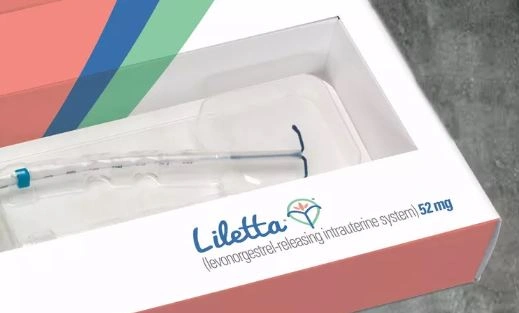
Liletta IUD Lawsuit 2026 Update: Where Things Stand Now
As of September 20, 2026, publicly available information does not establish a nationwide Liletta product-liability class action, federal multidistrict litigation, or global settlement program comparable to some large pharmaceutical mass torts.
Liletta does, however, carry documented warnings involving serious complications. Current prescribing information warns about ectopic pregnancy, intrauterine pregnancy, infection, uterine perforation, expulsion, ovarian cysts, and bleeding changes. Perforation can sometimes require surgery, and delayed detection can result in migration outside the uterus and injury to surrounding structures.
That distinction is important. A complication listed in prescribing information may potentially become part of an individual malpractice or product-liability dispute, but the existence of the complication itself does not prove that AbbVie, Medicines360, a healthcare provider, or another party is legally responsible.
Is There an Active Liletta IUD Lawsuit in 2026?
There does not appear to be a verified nationwide Liletta mass tort or class action presently operating as a single coordinated proceeding. Searches may produce websites describing a broad “Liletta lawsuit,” but those descriptions should not be confused with an established MDL or settlement program.
Individual cases can still exist without nationwide consolidation. For example, litigation involving an IUD complication could potentially concern product liability, medical negligence, informed consent, insertion technique, or another theory depending on the facts.
What Are the Latest Liletta IUD Lawsuit Developments?
The most important current point is the absence of a confirmed nationwide settlement or federal Liletta MDL.
Meanwhile, official product information continues to recognize perforation, embedment, expulsion, pregnancy-related complications, and potentially difficult removal as medical risks. Patients evaluating possible claims should therefore focus on their own medical records and actual court information rather than online payout estimates.
What Is the Liletta IUD Lawsuit About?
The phrase generally refers to potential legal claims involving patients who believe they experienced serious injuries associated with Liletta. Possible disputes could involve allegations about product warnings, device performance, insertion, removal, or medical management after a complication.
However, there is a major difference between a reported adverse event and an actionable product-liability case. A plaintiff generally needs evidence connecting an injury to the product or conduct at issue and must establish the elements required by the applicable state’s law.
What Are Plaintiffs Alleging?
Potential allegations in an IUD injury case can include failure to warn, defective design, manufacturing problems, negligence, breach of warranty, or inadequate informed consent.
The appropriate theory depends on what actually happened. A claim involving an alleged manufacturing defect, for example, would raise different questions from a case alleging that a healthcare professional perforated the uterus during insertion.
No allegation should be treated as proof of wrongdoing unless established through evidence, settlement, or a court decision.
Is Liletta Considered a Defective Medical Device?
Liletta should not automatically be characterized as defective merely because it carries significant risks. It is an FDA-approved prescription intrauterine system, and its official labeling expressly discusses several potentially serious complications.
Whether a particular unit was legally defective is a separate question. That determination may depend on the applicable product-liability standard, warnings provided at the relevant time, medical evidence, expert testimony, and facts surrounding the patient’s injury.
How Did the Liletta IUD Lawsuit 2020 Begin?
There is no verified nationwide Liletta mass-tort proceeding that can accurately be described as having formally “begun” in 2020.
The year is nevertheless relevant to Liletta’s corporate history. AbbVie completed its acquisition of Allergan in 2020, while Liletta itself had already been available in the United States for several years. Allergan and Medicines360 had partnered on Liletta before the AbbVie acquisition.
Consumers experiencing complications during this period may have pursued individual legal or medical claims, but those should not be conflated with the creation of a nationwide Liletta litigation.
When Did Concerns About Liletta IUD Complications Start?
Potential complications have been addressed through Liletta’s prescribing information rather than emerging only recently.
Liletta received its initial FDA approval in 2015. Official labeling has included warnings concerning matters such as uterine perforation, pelvic infection, expulsion, pregnancy, and other complications associated with intrauterine systems.
As use expanded, patients and healthcare professionals continued reporting adverse events through normal medical and regulatory channels.
What Injuries Have Been Reported?
Serious complications recognized in official Liletta information include:
- Partial or complete uterine perforation
- Embedment in the uterine wall
- Migration outside the uterine cavity following perforation
- Pelvic infection
- Partial or complete expulsion
- Ectopic or intrauterine pregnancy
- Difficult removal
- Ovarian cysts
- Significant or persistent bleeding problems
The prescribing information states that delayed detection or removal after perforation can lead to adhesions, peritonitis, intestinal perforation or obstruction, abscesses, or erosion of nearby organs.
Allergan and AbbVie’s Role in the Liletta IUD Lawsuit
Understanding the companies associated with Liletta helps clarify potential legal questions.
The product was developed through a collaboration involving Medicines360 and Allergan. AbbVie later acquired Allergan. Current official information identifies an AbbVie affiliate as manufacturer, AbbVie as distributor, and AbbVie and Medicines360 as marketers of Liletta.
These corporate relationships do not themselves establish liability for an individual injury.
Who Manufactures the Liletta IUD?
Current labeling identifies Odyssea Pharma SPRL, an AbbVie-affiliated company in Belgium, as the manufacturer and AbbVie Inc. as the U.S. distributor. Liletta is marketed by AbbVie and Medicines360.
Older materials may reference Allergan because Allergan was Medicines360’s commercial partner before AbbVie acquired Allergan.
What Role Does Medicines360 Have in Liletta?
Medicines360 is a nonprofit pharmaceutical organization focused on women’s health. Government information describes a commercial agreement under which Medicines360 performed Liletta drug-development work while its commercial partner handled operations such as manufacturing, sales, and marketing.
Medicines360 also describes Liletta as one of its products and states that it is available in the United States through a commercial partner.
Liletta IUD Side Effects That Led to Lawsuits
Not every Liletta side effect indicates negligence or a defective product. Some effects are expected and expressly disclosed, while others can represent serious complications requiring prompt evaluation.
From a legal perspective, the central questions include what happened, whether the complication was adequately warned about, whether proper medical procedures were followed, and whether the event caused compensable injury.
What Are the Most Serious Liletta IUD Side Effects?
Official prescribing information identifies potentially serious risks including ectopic pregnancy, complications from pregnancy with Liletta in place, severe infection, pelvic inflammatory disease, perforation, and expulsion.
Perforation is particularly significant because the device may penetrate the uterine wall. If it moves outside the uterus, surrounding tissue or organs may potentially be affected.
These risks are medically recognized. Their presence alone does not demonstrate that the product was defective or that a legal defendant is liable.
What Symptoms May Indicate an IUD Complication?
Patients are advised to contact a healthcare professional about symptoms or circumstances including:
- Pregnancy or suspected pregnancy
- Severe or prolonged vaginal bleeding
- Pelvic pain
- Pain during sex
- Unexplained fever
- Unusual or foul-smelling vaginal discharge
- Inability to feel the IUD threads
- Concern that the device has been expelled
These symptoms can have different causes. Medical evaluation, rather than self-diagnosis, is needed to determine whether the IUD is involved.
Liletta IUD Perforation and Migration Lawsuits
Uterine perforation is one of the most serious complications discussed in Liletta’s official labeling.
The prescribing information states that perforation may be total or partial and can include penetration or embedment in the uterine wall or cervix. Although it occurs most often during insertion, it may not be detected immediately.
A legal case involving perforation would require investigation into insertion, device location, warning information, subsequent treatment, and causation.
Can Liletta Perforate the Uterus?
Yes. Uterine perforation is an expressly recognized risk.
Liletta clinical studies cited in the prescribing information reported perforation during or following insertion in 0.1% of participants; those studies excluded breastfeeding participants. The labeling also discusses circumstances associated with increased perforation risk.
That medical risk does not automatically establish a lawsuit. The circumstances surrounding an individual perforation must be evaluated separately.
What Happens When a Liletta IUD Migrates?
If perforation occurs, Liletta can move outside the uterine cavity.
Official labeling warns that delayed detection or removal can potentially result in adhesions, peritonitis, intestinal perforation, intestinal obstruction, abscess formation, or erosion of adjacent organs.
Imaging may be needed to determine the device’s location when the threads cannot be found or perforation is suspected.
Can IUD Migration Require Surgery?
Yes. Liletta’s prescribing information states that surgery may be required when perforation occurs.
The method of removal depends on device location and the patient’s condition. Difficult intrauterine removal may involve ultrasound evaluation, specialized instruments, cervical dilation, or hysteroscopy.
A surgical removal can become significant in a damages analysis because it may affect medical expenses, recovery time, pain, and other claimed losses.
Liletta IUD Ectopic Pregnancy Claims
Liletta is highly effective at preventing pregnancy, but no contraceptive method eliminates pregnancy risk completely.
When pregnancy occurs with Liletta in place, clinicians must consider ectopic pregnancy. The prescribing information warns that pregnancy under these circumstances can involve serious complications.
What Happens If You Become Pregnant With Liletta?
A patient who believes she may be pregnant while using Liletta should obtain medical evaluation promptly.
Current labeling states that pregnancy with Liletta in place creates increased risks that include ectopic pregnancy, pregnancy loss, septic abortion, premature labor, and premature delivery. Management depends on the location of the pregnancy, position of the device, and clinical circumstances.
What Are the Signs of an Ectopic Pregnancy With an IUD?
Possible ectopic pregnancy symptoms can include pelvic or abdominal pain, abnormal bleeding, dizziness, weakness, or shoulder pain, although symptoms vary.
Because ectopic pregnancy can become a medical emergency, suspected pregnancy accompanied by significant pain, fainting, or severe bleeding requires urgent medical assessment. A legal claim should never delay emergency care.
Liletta IUD Removal Lawsuit Claims
Most Liletta removals are performed by a healthcare professional using the device’s threads.
Problems can arise when the threads cannot be located, the device has become embedded, perforation has occurred, or ordinary traction does not remove it. Current prescribing information specifically addresses these possibilities.
Can Liletta Become Embedded in the Uterus?
Yes. Official information states that Liletta can partially penetrate or become embedded in the uterine wall.
Embedment can complicate removal and may require additional examination or procedures. The presence of embedment does not by itself determine why it occurred or whether anyone bears legal responsibility.
Can Difficult Liletta Removal Require Surgery?
Potentially. The official patient information states that surgery may be necessary when Liletta is embedded or perforates the uterus.
Other difficult removals may be managed with ultrasound guidance, forceps, cervical dilation, hysteroscopy, anesthesia, or related procedures. The appropriate method depends on the device’s position and the patient’s medical circumstances.
Who Qualifies for the Liletta IUD Lawsuit?
There is no verified nationwide Liletta settlement program with a standardized eligibility form or universal qualification criteria.
Whether someone can pursue an individual claim depends on the applicable law and facts. Merely having used Liletta, experiencing expected bleeding changes, or reading reports about complications does not automatically create a legal claim.
An attorney evaluating a potential case would ordinarily examine the injury, product identification, timing, warnings, medical treatment, causation, and filing deadline.
What Injuries May Support a Liletta IUD Claim?
Potentially significant injuries could include severe uterine perforation, extrauterine migration, organ injury, infection, ectopic pregnancy, or complications requiring surgery.
The legal significance of any injury depends on much more than severity. A claimant would still need evidence supporting the relevant legal theory and a causal relationship between the alleged misconduct or defect and the injury.
What Medical Records and Evidence May Be Needed?
Potentially useful evidence can include:
- Liletta insertion and removal records
- Device identification information
- Ultrasound or other imaging reports
- Emergency-room records
- Operative reports
- Hospital and physician records
- Pathology or laboratory results
- Records documenting follow-up treatment
- Medical bills and insurance statements
- Employment records showing claimed lost income
A detailed medical chronology can help determine when symptoms began, when the complication was discovered, and how it was treated.
Liletta IUD Statute of Limitations: How Much Time Do You Have?
A statute of limitations establishes the deadline for filing a lawsuit. Missing the applicable deadline can prevent a claim even when the underlying injury is serious.
There is no single nationwide limitations period covering every Liletta case. Product-liability and medical-malpractice deadlines are generally determined by state law and can differ significantly.
Exceptions, statutes of repose, discovery rules, and other provisions can further change the analysis.
When Does the Statute of Limitations Begin?
The starting date depends on the jurisdiction and type of claim.
In some circumstances, the period may relate to the date of injury. A discovery rule may sometimes make the relevant date when a person knew, or reasonably should have known, about an injury and its potential cause.
Because these rules are state-specific, an online article cannot reliably calculate an individual’s deadline.
Does the Filing Deadline Vary by State?
Yes. Filing deadlines and related exceptions vary by state.
Different rules may also apply to product liability and medical malpractice. A statute of repose can create an additional outside deadline regardless of when an injury was discovered.
Someone considering litigation should therefore avoid assuming that another person’s deadline applies to their case.
Liletta IUD Class Action vs. Mass Tort: What’s the Difference?
A class action and a mass tort are different procedural mechanisms.
In a class action, representative plaintiffs pursue claims for a defined group when legal requirements for class certification are satisfied. In a mass tort, many injured individuals may bring separate claims involving similar products or conduct while retaining individual questions about injury and damages.
Medical-device injury litigation frequently involves individualized causation and damages issues.
Is There a Liletta IUD Class Action Lawsuit?
As of September 20, 2026, I could not verify a nationwide certified product-liability class action covering people injured by Liletta.
Consumers should be cautious with websites that use “class action” as a general synonym for any lawsuit involving multiple people. Formal class certification is a specific judicial process.
A future class action is theoretically possible, but its existence should not be stated without a complaint, docket, certification order, or other reliable court record.
Are Liletta Claims Being Filed Individually?
An individual who believes Liletta caused an injury may consult counsel about whether a personal claim is legally viable.
Individual cases can involve very different facts, including insertion technique, device position, timing of symptoms, warnings, pregnancy, surgery, and prior medical history.
The possibility of individual litigation does not mean that a broad coordinated Liletta litigation currently exists.
Liletta IUD MDL Status: Is There a Federal Consolidation?
Multidistrict litigation, or MDL, allows related federal civil cases pending in different districts to be transferred to one federal judge for coordinated pretrial proceedings.
MDL status matters because it can provide a concrete measure of whether numerous similar federal cases have developed into organized mass litigation.
No nationwide Liletta MDL was identified in the public information reviewed for this September 2026 update.
Has a Liletta IUD MDL Been Created?
I could not verify an active federal MDL dedicated specifically to Liletta product-liability cases as of September 20, 2026.
That means readers should not assume that Liletta cases have been formally consolidated simply because attorneys or legal-information websites discuss potential claims.
If litigation volume changes substantially, plaintiffs could potentially seek coordination later. Whether an MDL is created would ultimately be decided through the federal MDL process.
How Is Liletta Litigation Different From the Mirena IUD Litigation?
Mirena has a substantially longer litigation history and has been the subject of coordinated federal proceedings involving particular alleged injuries.
Liletta is a separate FDA-approved levonorgestrel-releasing intrauterine system. A federal court discussing the products in unrelated commercial litigation specifically noted that Liletta was approved as its own product rather than as a generic version of Mirena.
Past Mirena litigation therefore does not automatically establish liability, settlement values, or procedural status for Liletta.
Liletta IUD Lawsuit Settlement Amounts: What’s Been Reported?
No verified nationwide Liletta settlement schedule or global compensation program was identified as of September 20, 2026.
This makes specific online figures describing average Liletta settlements especially important to scrutinize. Estimates are not court awards, settlement agreements, or guaranteed compensation.
Until actual settlements or verdicts provide reliable case-specific data, assigning an “average” Liletta settlement amount would be speculative.
Has a Liletta IUD Settlement Been Reached?
No publicly verified nationwide settlement resolving Liletta injury claims was identified in the sources reviewed for this update.
An individual confidential settlement could theoretically occur without establishing a public compensation benchmark. Such an agreement would not necessarily indicate how another case would be valued.
Consumers should distinguish an actual settlement agreement from attorney advertising or projected case values.
What Factors Could Affect a Liletta IUD Settlement Amount?
If an individual case eventually settles or results in an award, potential valuation factors could include:
- Type and severity of injury
- Whether surgery was necessary
- Length of hospitalization and recovery
- Past and anticipated medical expenses
- Lost wages or reduced earning capacity
- Strength of causation evidence
- Permanency of the injury
- Applicable state law
- Available defenses
- Strength of expert evidence
The facts of the individual case, rather than a generic online calculator, would determine the potential value.
Liletta IUD Lawsuit Payout Tiers and Compensation Breakdown
There are no verified official Liletta payout tiers to report as of this update.
Terms such as “Tier 1,” “Tier 2,” and “Tier 3” sometimes appear in mass-tort discussions because certain settlement programs eventually categorize claims by injury severity. Applying those categories to Liletta before an actual settlement program exists would create a misleading impression.
Any future compensation framework would depend on actual litigation, negotiations, court orders, or settlement terms.
How Much Could a Liletta IUD Lawsuit Be Worth?
There is currently no reliable universal dollar figure.
Potential case value would depend on liability, causation, injury severity, medical expenses, long-term effects, jurisdiction, available defenses, and other evidence. A person requiring major abdominal surgery, for example, presents a different damages profile from someone who experienced temporary symptoms without significant treatment.
Specific dollar predictions should therefore be treated as estimates rather than established Liletta payouts.
What Damages Could Be Included in a Liletta IUD Claim?
Depending on state law and the facts, recoverable damages in a successful personal-injury case may potentially include medical expenses, lost earnings, pain and suffering, and certain future losses.
More serious cases could involve claims related to additional procedures or long-term complications.
Availability and calculation of damages vary considerably by jurisdiction. Some states also impose limitations on particular categories of damages.
How to File a Liletta IUD Lawsuit Claim in 2026
There is no confirmed nationwide Liletta claim portal through which every affected patient can simply submit a compensation form.
An individual lawsuit normally begins with case evaluation, evidence collection, identification of appropriate defendants and legal theories, and filing a complaint in a court with jurisdiction.
A claimant should preserve medical documentation rather than relying primarily on memories or online reports.
What Documents Are Needed to File a Liletta IUD Claim?
Useful documentation can include insertion records, imaging, physician notes, operative reports, emergency treatment records, removal records, bills, and evidence identifying Liletta as the device used.
Keeping a chronological record of symptoms and treatment can also help counsel evaluate causation.
Patients should not alter medical records or attempt to remove an IUD themselves to preserve evidence. Medical decisions should remain between the patient and qualified healthcare professionals.
When Should You Contact an IUD Lawsuit Attorney?
Legal advice may be worth considering when a patient has experienced a serious complication and wants to determine whether the circumstances could support a claim.
Early evaluation can matter because evidence may become harder to obtain and statutes of limitations continue to run.
An attorney can evaluate the jurisdiction, possible defendants, applicable deadline, medical documentation, and whether the facts support product-liability, malpractice, or another legal theory.
Liletta vs. Mirena: Are the Lawsuits Related?
Liletta and Mirena are both hormonal intrauterine systems containing levonorgestrel, but they are separate branded products.
Similar complications can produce overlapping search terms and legal theories. That does not make litigation involving one product automatically applicable to the other.
Product identification is therefore an important early step in evaluating an IUD-related injury.
What Is the Difference Between Liletta and Mirena?
Both are levonorgestrel-releasing intrauterine systems, but they have separate FDA approvals, labeling histories, manufacturers or commercial arrangements, and product-specific records.
A federal court discussing the two products in 2016 recognized Liletta as a separate single-source product rather than a generic version of Mirena.
Current Liletta information states that it can prevent pregnancy for up to eight years and treat heavy periods for up to five years for eligible patients.
How Does Mirena IUD Litigation Compare With Liletta Claims?
Mirena has previously generated coordinated product-liability litigation concerning particular alleged injuries. That procedural history should not be transferred to Liletta without evidence.
For a Liletta case, courts would examine evidence specific to Liletta, the relevant labeling, the plaintiff’s medical circumstances, applicable state law, and the legal claims actually pleaded.
Past outcomes involving another IUD may provide context but do not establish the outcome or value of a Liletta claim.
What About Kyleena IUD Lawsuits?
Kyleena is another levonorgestrel-releasing intrauterine system and should likewise be evaluated as a separate product.
Someone investigating an IUD injury should confirm exactly which device was inserted through medical records rather than assuming that legal information about Mirena, Kyleena, or Liletta applies interchangeably.
Product identity can materially affect defendants, labeling evidence, timelines, and legal analysis.
What to Expect from the Liletta IUD Lawsuit in 2026
The most defensible approach is to watch actual court developments rather than assume that Liletta is already a large-scale mass tort.
The product’s known medical risks are well documented. What remains a separate question is whether particular injuries produce viable legal claims and whether enough similar cases eventually emerge to generate coordinated litigation.
Consumers should be especially skeptical of precise settlement numbers presented without supporting verdicts, settlement agreements, or court records.
Could Liletta Cases Be Consolidated in the Future?
Potentially, but consolidation is not automatic.
If numerous federal lawsuits presenting common factual questions were eventually filed, parties could seek multidistrict coordination. The federal Judicial Panel on Multidistrict Litigation would determine whether centralization was appropriate.
Until such action actually occurs, describing Liletta as an established federal mass tort or MDL would be premature.
What Legal Developments Should Consumers Watch?
The most meaningful developments would include new federal or state product-liability filings, an MDL petition, an MDL transfer order, significant judicial rulings, bellwether proceedings, publicly disclosed settlements, or changes to official safety information.
FDA labeling and manufacturer communications are also relevant for understanding the product’s recognized risks.
Consumers evaluating their own circumstances should prioritize verified records over social-media discussions or unsupported settlement estimates.
Read: Amagansett Press Lawsuit
Read: Julia Hubbard Lawsuit
Read: The Vet Life Lawsuit Outcome
Read: I Eat Ass Lawsuit
Read: Apple iCloud Lawsuit
Read: Facebook User Privacy Settlement
Frequently Asked Questions
Is there a lawsuit against Liletta IUD?
Individual disputes may arise, but no nationwide Liletta product-liability class action or federal MDL was verified in the public information reviewed as of September 20, 2026.
What is the latest Liletta IUD lawsuit update?
No verified nationwide MDL or global settlement has been identified. Current interest primarily concerns potential individual claims involving documented complications such as perforation and difficult removal.
What are the most serious Liletta IUD side effects?
Official warnings include ectopic pregnancy, serious infection, uterine perforation, expulsion, and pregnancy complications. Perforation can occasionally result in migration and require surgery.
Can Liletta cause uterine perforation or migration?
Yes. Official labeling recognizes uterine perforation and warns that perforation can allow Liletta to migrate outside the uterine cavity.
Is there a Liletta IUD class action lawsuit?
No nationwide certified product-liability class action involving Liletta was verified in the information reviewed for this September 2026 update.
Has a Liletta IUD settlement been reached?
No publicly verified nationwide Liletta injury settlement or global compensation program was identified as of September 20, 2026.
Final Thoughts
Interest in the Liletta IUD Lawsuit largely centers on serious complications that are recognized in the product’s official safety information, including uterine perforation, embedment, migration following perforation, difficult removal, infection, and pregnancy-related risks. Those documented risks are medically significant, but they do not by themselves establish that Liletta is legally defective or that its manufacturers are liable for every complication.
As of September 20, 2026, no nationwide Liletta product-liability MDL, certified injury class action, global settlement, or official payout-tier program was verified in the public information reviewed. Specific settlement figures circulating online should therefore not be treated as confirmed compensation amounts.
Anyone who experienced a serious complication should prioritize appropriate medical care and preserve relevant records. Whether an individual has a viable legal claim ultimately depends on medical evidence, causation, applicable state law, filing deadlines, and the facts established through the legal process.