

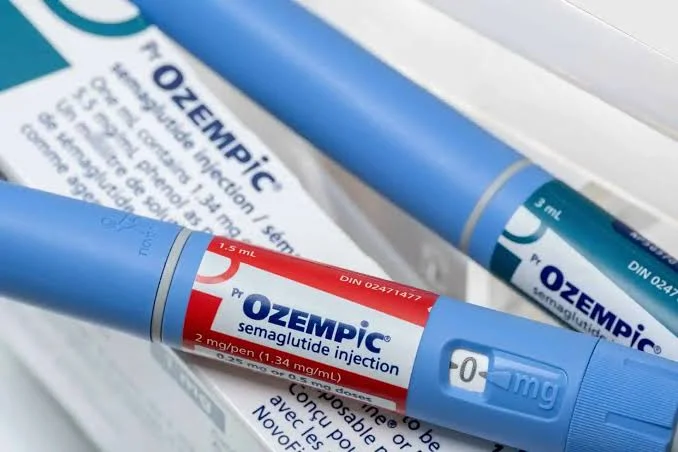
Ozempic is a prescription semaglutide medication manufactured by Novo Nordisk for type 2 diabetes. The Ozempic lawsuit has drawn substantial attention as patients allege that Ozempic and related GLP-1 medications caused serious gastrointestinal injuries or, in separate cases, vision loss.
People searching for updates often want to know whether lawsuits are still being filed, which injuries are involved, whether settlements have been reached, and whether an official claim form or payout process exists.
As of October 2026, federal litigation remains active. Gastrointestinal and NAION claims are being coordinated in separate multidistrict litigations, and the allegations remain contested. No MDL-wide settlement or official payout program has been announced.
Ozempic Lawsuit 2026 Update
The Ozempic litigation remains active in 2026, but it is important to distinguish between two separate federal proceedings.
Gastrointestinal injury lawsuits are coordinated in MDL No. 3094 in the U.S. District Court for the Eastern District of Pennsylvania. According to October 1, 2026 reporting based on Judicial Panel on Multidistrict Litigation statistics, approximately 4,025 actions were pending in that MDL.
Separate lawsuits alleging non-arteritic anterior ischemic optic neuropathy (NAION) are coordinated in MDL No. 3163. October reporting listed approximately 247 pending actions in that proceeding.
These case counts represent pending federal actions, not confirmed injuries or successful claims.
What Is the Current Status of the Ozempic Lawsuit?
The gastrointestinal litigation has progressed into significant expert-evidence proceedings. Judge Karen Spencer Marston held a Rule 702 evidentiary hearing from September 14 through September 18, 2026 concerning cross-cutting scientific and legal issues.
A Rule 702 hearing determines whether proposed expert testimony satisfies federal admissibility standards. It is not a trial and does not itself determine whether Novo Nordisk is liable to individual plaintiffs.
As of the latest publicly available updates, no global settlement or bellwether verdict has been announced.
Are Ozempic Lawsuits Still Being Filed?
Yes. Federal GLP-1 litigation continues to include pending actions involving Ozempic and other medications.
Whether a particular person can still file depends on substantially more than the existence of the MDL. Relevant issues can include the alleged injury, medical diagnosis, dates of medication use, applicable statute of limitations, jurisdiction, and supporting medical evidence.
An MDL does not automatically make every Ozempic user eligible for compensation.
What Is the Ozempic Lawsuit About?
The litigation generally concerns allegations that manufacturers of certain GLP-1 medications failed to adequately warn patients and healthcare providers about particular serious risks.
For Ozempic claims, plaintiffs have focused heavily on gastrointestinal conditions such as gastroparesis and intestinal obstruction. A separate group of cases concerns alleged NAION and resulting vision loss.
These allegations should not be confused with judicial findings. Novo Nordisk disputes liability, and the allegations remain subject to litigation.
What Do Plaintiffs Allege Against Novo Nordisk?
Plaintiffs generally allege that Novo Nordisk knew or should have known about certain risks associated with semaglutide and failed to provide adequate warnings.
Depending on the individual complaint, alleged injuries may include prolonged gastrointestinal problems, gastroparesis, intestinal obstruction or ileus, and related medical complications.
Other plaintiffs separately allege that semaglutide caused or contributed to NAION and permanent vision impairment.
The precise allegations differ from case to case, and causation remains a major contested issue.
Is the Ozempic Lawsuit a Class Action or Mass Tort?
The major federal Ozempic proceedings are multidistrict litigations, not traditional class actions.
In an MDL, individual lawsuits sharing common factual or legal questions are transferred to one federal judge for coordinated pretrial proceedings. Each plaintiff generally retains an individual claim rather than becoming one member of a single damages class.
That distinction matters because injuries, medical histories, causation evidence, damages, and any eventual compensation may differ substantially among plaintiffs.
Why Are People Filing Ozempic Lawsuits?
Plaintiffs are filing claims after allegedly experiencing serious medical conditions during or after treatment with Ozempic or other GLP-1 medications.
The FDA-approved Ozempic labeling states that severe gastrointestinal adverse reactions have occurred and that Ozempic is not recommended for patients with severe gastroparesis. Postmarketing information also includes intestinal obstruction and severe constipation, including fecal impaction.
However, an adverse event being recognized in labeling does not automatically prove that the medication caused a particular plaintiff’s injury or that the manufacturer is legally liable.
Gastroparesis
Gastroparesis is a condition involving delayed stomach emptying. Symptoms can include nausea, vomiting, bloating, abdominal discomfort, and feeling full after eating relatively little food.
Some plaintiffs allege that their symptoms persisted or became severe after taking GLP-1 medications and that the risks were not adequately communicated.
Establishing a legal claim generally requires medical evidence linking the diagnosed condition and medication exposure rather than symptoms alone.
Intestinal Obstruction and Ileus
Some lawsuits involve intestinal obstruction or ileus, conditions in which normal movement through the intestinal tract is impaired or blocked.
The FDA-approved Ozempic prescribing information includes ileus and intestinal obstruction among gastrointestinal events reported during postmarketing use. Because postmarketing reports are voluntary and involve an uncertain exposed population, such reports generally cannot establish frequency or causation by themselves.
Plaintiffs alleging these conditions still must address individual medical causation.
Severe Gastrointestinal Injuries
Other allegations involve persistent vomiting, severe nausea, abdominal symptoms, hospitalization, nutritional complications, or related gastrointestinal problems.
The current Ozempic label states that severe gastrointestinal adverse reactions have been reported with Ozempic and other GLP-1 receptor agonists.
Not every gastrointestinal side effect, however, creates a product-liability claim. Severity, diagnosis, duration, causation, warnings, and damages can all affect legal viability.
Vision Loss and NAION
NAION is a disorder involving impaired blood supply to the optic nerve and can produce sudden, potentially permanent vision loss.
Litigation alleging GLP-1-related NAION is being handled separately from the gastrointestinal MDL.
Research has reported associations between semaglutide exposure and NAION, but the strength of the observed association varies across studies. Observational evidence does not by itself establish that semaglutide caused an individual patient’s NAION.
Ozempic Gastroparesis Lawsuit
Gastroparesis is one of the central alleged injuries in the gastrointestinal GLP-1 litigation.
The legal question is more complicated than whether Ozempic slows gastric emptying. Plaintiffs must establish that the medication can cause the injury alleged under the applicable legal standard and that it actually caused or materially contributed to the individual plaintiff’s diagnosed condition.
Medical history is therefore particularly important.
What Is Gastroparesis?
Gastroparesis means delayed movement of food from the stomach into the small intestine without a mechanical blockage explaining the delay.
Common symptoms include nausea, vomiting, early fullness, bloating, upper abdominal discomfort, heartburn, and sometimes constipation. Diabetes itself is also an important risk factor for gastroparesis, which can complicate causation analysis in Ozempic cases.
Diagnosis may involve a gastric-emptying study or other medical testing rather than symptoms alone.
How Is Gastroparesis Connected to Ozempic Lawsuit Claims?
GLP-1 receptor agonists affect gastrointestinal motility and delay gastric emptying. Plaintiffs argue that, in some users, these effects can contribute to persistent gastroparesis.
Observational research has reported an association between GLP-1 agonist use and increased risks of gastroparesis and certain other gastrointestinal events. However, observational research has limitations and cannot independently establish causation in every individual case.
The existence of an association at the population level does not establish causation in an individual lawsuit.
Ozempic Lawsuit Blindness and NAION Claims
Vision-loss litigation has become a distinct component of GLP-1 product-liability litigation.
These claims generally allege that treatment with semaglutide contributed to NAION and that manufacturers failed to adequately warn about that risk.
Federal NAION cases are now coordinated separately in MDL No. 3163.
What Is NAION?
NAION stands for non-arteritic anterior ischemic optic neuropathy.
It occurs when blood flow to part of the optic nerve is insufficient, causing damage to nerve tissue. Patients may experience sudden, painless visual loss, commonly affecting one eye.
NAION can have multiple risk factors, making individual causation a medically complex issue.
Can NAION Cause Permanent Vision Loss?
Yes. NAION can result in lasting visual impairment, although the severity and pattern of vision loss differ among patients.
Because optic nerve tissue damaged by inadequate blood supply may not fully recover, some patients experience permanent deficits.
Anyone experiencing sudden visual changes should seek urgent medical evaluation rather than attempting to determine from online lawsuit information whether medication caused the problem.
What Do the Ozempic Vision Loss Lawsuits Allege?
Plaintiffs allege that semaglutide caused or contributed to NAION and that appropriate warnings were not provided.
Several studies have reported an association between semaglutide exposure and NAION. However, estimates vary across studies, populations, and methodologies.
The available evidence should therefore not be described as proving that semaglutide caused every reported NAION case.
Ozempic MDL Lawsuits
Multidistrict litigation allows federal courts to coordinate lawsuits that share major factual and scientific questions.
For Ozempic-related claims, two federal MDLs are particularly important:
| Proceeding | Main Allegations | Status |
|---|---|---|
| MDL 3094 | Gastroparesis and other GI injuries | Active |
| MDL 3163 | NAION and vision loss | Active |
| Global settlement | MDL-wide resolution | Not announced |
| Official payout fund | Compensation program | Not announced |
The proceedings remain separate even though they involve related GLP-1 medications.
What Is MDL 3094?
MDL No. 3094 is the federal multidistrict litigation concerning GLP-1 receptor agonist product-liability claims involving gastrointestinal injuries.
It was centralized in the Eastern District of Pennsylvania in 2024.
The litigation includes allegations involving medications manufactured by Novo Nordisk and Eli Lilly. Defendants deny the allegations.
October 1, 2026 reporting listed approximately 4,025 actions pending.
What Is MDL 3163?
MDL No. 3163 separately coordinates federal lawsuits alleging that certain GLP-1 medications caused NAION.
The proceeding was created in December 2025 rather than folding the vision-loss cases into the gastrointestinal litigation.
By October 1, 2026, approximately 247 pending actions had been reported. The proceeding remains in pretrial litigation, and no global NAION settlement has been announced.
Why Are the GI and Vision Loss Lawsuits Separate?
The two groups of cases raise different scientific questions.
MDL 3094 primarily addresses alleged gastrointestinal injuries such as gastroparesis, ileus, and bowel obstruction. MDL 3163 concerns whether GLP-1 medications can cause NAION.
Separate coordination allows discovery, expert testimony, causation questions, and other pretrial issues to be developed around the relevant medical evidence.
What Medical and Legal Experts Say About Ozempic Injuries
The scientific record is important because product-liability litigation requires more than reports of an injury occurring after medication exposure.
Researchers examine whether an association exists across populations, while courts determine whether expert testimony and other evidence satisfy legal standards for proving general and specific causation.
Those are related but different inquiries.
What Does Research Say About Gastrointestinal Risks?
Research supports the conclusion that gastrointestinal effects are clinically relevant to GLP-1 medications.
Observational research has identified increased risks of certain gastrointestinal conditions among some GLP-1 users. However, these studies have limitations and cannot establish that Ozempic caused every reported gastrointestinal injury.
The FDA-approved Ozempic labeling also addresses severe gastrointestinal adverse reactions and states that Ozempic is not recommended for patients with severe gastroparesis.
What Does Research Say About NAION and Vision Loss?
The evidence has continued to develop.
Several observational studies have reported an association between semaglutide exposure and NAION. However, estimates differ among datasets, populations, and study designs.
An association can justify additional investigation without proving causation. Researchers continue examining whether underlying medical conditions or other factors may influence observed risk.
Does an Association Prove Ozempic Caused an Injury?
No.
An epidemiological association indicates that two events occurred together at a rate that may deserve investigation. It does not automatically establish biological or legal causation.
Researchers must consider confounding factors, underlying disease, patient characteristics, competing causes, study design, and statistical uncertainty.
Similarly, an individual plaintiff generally needs evidence connecting their particular medication exposure to their diagnosed injury.
Ozempic Lawsuit Criteria
There is no single nationwide checklist guaranteeing eligibility for an Ozempic lawsuit.
Attorneys evaluating potential claims typically examine medication history, diagnosed injury, medical testing, treatment records, timing, competing risk factors, and applicable filing deadlines.
The strength of an individual claim can differ significantly even when two patients report similar symptoms.
Who May Qualify for an Ozempic Lawsuit?
A potential claimant may warrant legal evaluation when there is documented use of Ozempic followed by a serious diagnosed injury that is part of the developing litigation.
Relevant factors may include:
- Confirmed Ozempic exposure
- A documented serious gastrointestinal or vision injury
- Medical treatment or hospitalization
- Evidence showing when symptoms developed
- Diagnostic testing supporting the claimed condition
- No clearly established alternative explanation
- Filing within the applicable limitations period
These factors are illustrative rather than guaranteed legal criteria.
What Medical Evidence May Be Required?
Medical documentation can be central to establishing both injury and causation.
Potentially relevant records include prescribing records, pharmacy history, diagnostic studies, specialist evaluations, hospitalization records, imaging, gastric-emptying tests, ophthalmology examinations, and records showing the onset and progression of symptoms.
The precise evidence required depends on the alleged injury and the court’s rulings.
What Records Should Potential Claimants Keep?
Potential claimants should generally preserve original records rather than relying on memory or social-media posts.
Useful materials may include prescription information, pharmacy receipts, medical records, test results, insurance documents, hospital discharge papers, records documenting medical complications, and communications with healthcare professionals.
Patients should not alter medical treatment or discontinue prescribed medication solely because of lawsuit advertising. Medication decisions should be discussed with a qualified healthcare professional.
Ozempic Lawsuit Settlement Amounts
No official MDL-wide Ozempic settlement amount has been established.
Online figures suggesting that particular injuries will receive predetermined amounts should therefore be treated cautiously. Estimates published by law firms or settlement websites are not court-approved compensation schedules.
The litigation has not reached the stage where a reliable universal payout range can be stated.
Has an Ozempic Settlement Been Reached?
No publicly announced global settlement resolving MDL 3094 has been identified as of October 2026.
The gastrointestinal litigation remains in active pretrial proceedings. The September Rule 702 hearing addressed expert evidence and causation-related issues rather than creating a compensation program.
Individual cases could potentially resolve independently, but that would not establish a global MDL settlement.
Are There Official Ozempic Settlement Amounts?
No.
There is currently no court-approved compensation matrix establishing specific payments for gastroparesis, bowel obstruction, NAION, or other alleged injuries.
Figures circulating online are generally projections or attorney estimates.
Until actual settlements, verdicts, or an approved resolution framework exists, presenting specific dollar figures as expected Ozempic payouts would be speculative.
What Could Affect a Future Settlement Amount?
If settlements eventually occur, individual compensation could depend on factors such as:
- Type and severity of injury
- Strength of medical causation evidence
- Duration of symptoms
- Hospitalizations or procedures
- Permanent impairment
- Past and future medical expenses
- Lost income
- Applicable law
- Strength of warning-related claims
Any future settlement structure could also establish its own eligibility and valuation rules.
When Will the Ozempic Lawsuit Be Settled?
There is currently no reliable date for an Ozempic settlement.
Mass-tort litigation can take years because courts must resolve discovery disputes, expert-evidence challenges, causation questions, motions for summary judgment, bellwether selection, and potentially trial results before settlement negotiations mature.
MDL 3094’s September 2026 Rule 702 proceedings represent an important stage, but they do not establish a settlement deadline.
Is There an Official Settlement Date?
No official Ozempic settlement date has been announced.
The federal court has continued handling pretrial issues, and no publicly announced global resolution schedule has been established.
Any website claiming a guaranteed settlement date should be viewed cautiously unless the information can be traced to a court order, formal settlement agreement, or other authoritative source.
What Must Happen Before a Global Settlement?
There is no mandatory sequence requiring a global settlement, but major unresolved legal and scientific questions commonly influence mass-tort negotiations.
The court may first address expert admissibility, general causation, warning issues, preemption arguments, summary-judgment motions, case-specific discovery, and eventually bellwether proceedings.
Results from those stages can give both sides more information about litigation risk and potential case values.
A settlement is never guaranteed.
Ozempic Lawsuit Payout
There is no official Ozempic lawsuit payout program in 2026.
The existence of thousands of pending lawsuits does not mean compensation has been approved. Plaintiffs must still establish their claims through litigation or reach negotiated resolutions.
The MDL itself does not distribute money merely because a case has been filed.
Is There an Ozempic Payout in 2026?
No general payout program has been publicly announced for Ozempic gastrointestinal claims or NAION claims.
Individual litigation developments should not be confused with a global settlement.
Until a settlement agreement, verdict, or other compensation mechanism exists, there is no standardized payout amount available to Ozempic users.
Has a Payout Date Been Announced?
No.
There is currently no court-approved Ozempic payout date.
A payout date would ordinarily follow an actual settlement or judgment and whatever claims-administration procedures apply. Since no global settlement program has been announced, there is presently no corresponding payment calendar.
Is There an Official Settlement Fund?
No publicly announced MDL-wide Ozempic settlement fund currently exists.
There is also no authorized universal compensation portal through which every Ozempic user can request payment.
Consumers should be cautious about websites suggesting that completing a simple online form automatically secures settlement money.
How to File an Ozempic Lawsuit
Filing a product-liability lawsuit involves more than reporting side effects.
A potential claimant generally needs a factual basis showing medication exposure, a legally recognized injury, supporting medical evidence, and a claim filed within the applicable deadline.
An attorney handling pharmaceutical product-liability litigation can evaluate these factors based on the person’s individual circumstances.
What Documents May Be Needed?
Potentially useful documentation includes:
- Ozempic prescription and pharmacy records
- Dates and dosages of medication use
- Primary-care records
- Emergency-room and hospitalization records
- Gastroenterology or ophthalmology records
- Diagnostic test results
- Records of surgeries or other treatment
- Insurance and medical billing records
- Employment records relevant to claimed lost income
Keeping records organized can make an initial case evaluation more efficient.
Is There an Official Ozempic Claim Form?
There is no universal court-approved Ozempic settlement claim form because no global settlement program currently exists.
A law firm’s intake questionnaire is not the same thing as an official settlement claim form.
People who believe they have a legal claim generally need to determine whether an individual lawsuit can be filed or whether an existing action can be transferred or coordinated within the appropriate litigation.
What Is the Deadline to File an Ozempic Lawsuit?
There is no single filing deadline that applies to every potential Ozempic plaintiff.
Statutes of limitations differ by jurisdiction and can depend on when an injury occurred, when it was discovered, when its possible cause became reasonably knowable, and other state-specific rules.
Because missing an applicable limitation period can bar a claim, anyone considering litigation should obtain individualized legal advice rather than relying on a generalized internet deadline.
Ozempic Lawsuit Reddit Discussions
Reddit and other online communities contain extensive discussions about Ozempic side effects, gastroparesis, gastrointestinal symptoms, eye problems, and lawsuits.
These conversations can help identify questions patients are asking, but they should not be treated as verified medical or legal evidence.
Personal experiences posted anonymously cannot establish diagnosis, causation, or manufacturer liability.
What Are Ozempic Users Reporting on Reddit?
Users commonly discuss nausea, vomiting, constipation, abdominal discomfort, delayed digestion, medication discontinuation, weight changes, and experiences seeking medical care.
Some posters also describe lawsuits or concerns about vision changes.
These are individual reports. They cannot establish how frequently an event occurs or whether Ozempic caused it because medical histories, diagnoses, doses, concurrent medications, and other relevant information usually cannot be independently verified.
Are Reddit Reports Reliable Evidence for a Lawsuit?
Generally, Reddit posts alone are not reliable evidence establishing a product-liability claim.
A lawsuit ordinarily depends on admissible evidence such as medical records, prescription records, expert testimony, diagnostic testing, scientific evidence, and legally sufficient proof of causation and damages.
Online discussions may identify potential issues worth investigating, but they should not substitute for professional medical evaluation or case-specific legal analysis.
Read: Tampax Lawsuit
Read: Slip and Fall Lawsuit
Read: Hello Toothpaste Lawsuit
Read: Turbo Tax Class Action Lawsuit
Read: Hernia Mesh Lawsuit Update
Read: Pruvit Lawsuit 2026
Read: Mrs. Meyers Lawsuit
Frequently Asked Questions
What is the Ozempic lawsuit about?
The lawsuits allege that Ozempic and related GLP-1 drugs caused serious gastrointestinal injuries or NAION and that manufacturers provided inadequate warnings.
What is the latest Ozempic lawsuit update?
Federal litigation remains active in 2026, with gastrointestinal claims in MDL 3094 and separate NAION vision-loss claims coordinated in MDL 3163.
What injuries are included in the Ozempic lawsuit?
Claims primarily involve gastroparesis, intestinal obstruction, ileus, severe gastrointestinal complications and, in separate federal litigation, NAION-related vision loss.
Who qualifies for the Ozempic lawsuit?
Eligibility depends on medication exposure, diagnosed injury, medical evidence, timing, applicable law, and other case-specific factors evaluated individually.
Is there an Ozempic blindness lawsuit?
Yes. Federal lawsuits alleging Ozempic and certain GLP-1 drugs caused NAION vision loss are being coordinated separately in MDL No. 3163.
What are the Ozempic lawsuit settlement amounts?
No official settlement amounts have been established. Dollar figures published online are speculative unless supported by an actual settlement agreement or judgment.
Final Thoughts
The Ozempic lawsuit remains active in 2026, with gastrointestinal injury claims and NAION vision-loss claims proceeding through separate federal MDLs. Thousands of gastrointestinal actions and hundreds of vision-loss actions are pending, but those numbers represent allegations being litigated, not findings that Ozempic caused every reported injury.
There is currently no publicly announced global settlement, official settlement amount, universal claim form, or payout date. Scientific evidence concerning gastrointestinal effects and NAION continues to develop, while courts must separately determine whether plaintiffs can satisfy legal requirements for causation and liability.
People who have experienced serious symptoms should prioritize appropriate medical care. Anyone considering a legal claim should preserve medical and prescription records and obtain advice based on the filing deadlines and evidentiary requirements applicable to their individual circumstances.


Pingback: Costco Lawsuit 2026: $14M Settlement, Claims & Updates - LawsuitFlow