

Don Julio, one of the best-known premium tequila brands in the United States, is at the center of proposed class action litigation over how certain tequila products are marketed. The Don Julio lawsuit focuses primarily on allegations that products represented as being made from 100% Blue Weber agave contained alcohol derived from other sources. Diageo strongly disputes those allegations.
Consumers searching the case are also looking for practical answers about its current status, possible settlement payments, eligibility, claim forms, filing deadlines, and whether buyers can join the litigation.
The key point is that allegations in a complaint are not established facts. This guide explains what plaintiffs claim, how Diageo has responded, what the court record shows, and what consumers should know while the litigation remains unresolved.
What Is the Don Julio Lawsuit 2026?
The Don Julio lawsuit is proposed class action litigation against Diageo North America, Inc., the company associated with the Don Julio and Casamigos tequila brands. Plaintiffs allege that tequila sold with representations indicating it was made from 100% agave contained significant amounts of alcohol derived from cane or other non-agave sources.
The lead federal case, Pusateri et al. v. Diageo North America, Inc., was filed in the U.S. District Court for the Eastern District of New York on May 5, 2025. An amended class action complaint was filed in September 2025.
Diageo disputes the allegations. The company maintains that Don Julio and Casamigos tequilas are produced from 100% Blue Weber agave and has challenged the plaintiffs’ allegations and testing.
For consumers, an important distinction is that this remains litigation over disputed allegations. The existence of a lawsuit does not establish that Don Julio was mislabeled or adulterated.
How Did the Don Julio Class Action Lawsuit Start?
The litigation began when consumers and a restaurant challenged representations concerning the composition of Diageo tequila. The original complaint was filed on May 5, 2025, in Brooklyn federal court and sought to pursue claims on behalf of groups of purchasers.
Plaintiffs contend that consumers paid premium prices because they believed the tequila was made entirely from Blue Weber agave. Their economic-injury theory is that purchasers either would not have bought the products or would have paid less if the alleged presence of non-agave alcohol had been disclosed.
The case later expanded through an amended complaint and related litigation involving additional plaintiffs. What started as a labeling dispute therefore developed into broader proposed class litigation involving Don Julio and Casamigos products.
Pusateri v. Diageo North America, Inc. Explained
Pusateri et al. v. Diageo North America, Inc., Case No. 1:25-cv-02482, is an important case for understanding the Don Julio dispute. It is pending in the Eastern District of New York before U.S. District Judge LaShann DeArcy Hall.
The lawsuit challenges representations about Diageo tequila products and seeks relief under consumer-protection and related legal theories.
Diageo has not accepted those allegations. It filed a motion seeking dismissal of the amended complaint, meaning the court must address threshold legal challenges before the plaintiffs can simply proceed as though their allegations have been established.
Who Filed the Lawsuit?
The original plaintiffs included Avi Pusateri, Chaim Mishulovin, and Sushi Tokyo Inc. The amended complaint subsequently identified additional individual and business plaintiffs, including purchasers from multiple jurisdictions.
This mix is significant because the alleged economic harm is not limited to someone purchasing a single bottle at a retail store. Businesses that allegedly purchased tequila for resale or service may raise related purchasing claims.
The plaintiffs seek to proceed on behalf of other purchasers, but proposed class allegations should not be confused with an already certified class.
When and Where Was the Case Filed?
The original Pusateri complaint was filed on May 5, 2025, in the U.S. District Court for the Eastern District of New York. The case number is 1:25-cv-02482.
Plaintiffs later obtained permission to amend their allegations, and an amended class action complaint was filed on September 12, 2025.
That procedural history matters when reading older coverage. Early reports may describe only the original plaintiffs or claims and may not reflect subsequent amendments and related cases.
Why Is Diageo Named as the Defendant?
Diageo North America is named because the plaintiffs attribute the challenged marketing and sale of the tequila products to Diageo.
Their theory is not simply that consumers disliked the tequila. Instead, they contend that representations concerning 100% agave composition were material to purchasing decisions and allowed the products to command premium prices.
Diageo rejects the premise underlying those claims and maintains that its tequila complies with applicable production and certification requirements. The court has not established plaintiffs’ allegations as fact.
What Does the Don Julio Tequila False Advertising Lawsuit Claim?
The false advertising theory centers on what consumers allegedly understood when they saw representations indicating that Don Julio tequila was made from 100% Blue Weber agave.
According to plaintiffs, a reasonable buyer would understand those representations to mean that the fermentable sugars used to produce the tequila’s alcohol came entirely from Blue Weber agave. They allege testing was inconsistent with that representation and indicated the presence of alcohol derived from other sources.
Plaintiffs argue that the representation influenced the price they were willing to pay. Their theory is therefore largely an economic one: they claim they paid for a premium 100% agave product but allegedly received something different.
Diageo disputes both the allegations and the conclusions plaintiffs draw from their testing.
What Is the Don Julio Mislabeling Lawsuit About?
The mislabeling issue overlaps substantially with the false advertising allegations. Plaintiffs challenge product representations associated with terms such as “100% agave” and “100% Blue Weber agave.”
The complaint alleges that the tequila contained significant concentrations of cane or other alcohol despite those representations. Plaintiffs contend that, if true, this would make the marketing materially misleading.
Diageo maintains that its tequila is authentic 100% Blue Weber agave tequila and points to production controls, regulatory requirements, and certification in disputing the claims.
Accordingly, describing Don Julio as proven to be “mislabeled” would go beyond the current record. Mislabeling is an allegation being litigated, not a final judicial finding.
What Does “100% Blue Weber Agave” Mean?
Blue Weber agave, or Agave tequilana Weber blue variety, is the agave used in tequila production. In this litigation, the important issue is not merely whether agave was used, but whether the alcohol in products represented as 100% agave was produced consistently with that representation.
Tequila can be subject to detailed Mexican standards governing production and labeling. Products that qualify as 100% agave are treated differently from tequila that may derive a permitted portion of fermentable sugars from other sources.
That distinction forms the technical foundation of plaintiffs’ case.
What Don Julio Says About Its Tequila
Diageo maintains that Don Julio tequila is produced using 100% Blue Weber agave and complies with applicable tequila-production standards.
In responding to the lawsuits, the company has strongly rejected allegations that its Don Julio and Casamigos products contain undisclosed non-agave alcohol. It has also pointed to independent certification and regulatory oversight supporting its position.
That response is central to the dispute because plaintiffs’ theory depends on establishing that the challenged representations were false or misleading.
What Plaintiffs Allege About Non-Agave Alcohol
Plaintiffs allege that testing indicates some Diageo tequila contains meaningful concentrations of alcohol derived from cane or other non-agave sources.
The original complaint states that an investigation allegedly found significant concentrations of cane or other types of alcohol in Casamigos and Don Julio products.
These testing assertions remain contested. Laboratory results cited by one side in litigation are evidence that may be challenged through methodology, expert testimony, sampling questions, and competing analysis.
Why the 100% Agave Label Matters to Consumers
The plaintiffs argue that 100% agave is not a trivial marketing phrase. They say buyers associate the designation with tequila produced entirely from agave-derived fermentable sugars and may be willing to pay more for it.
The complaint specifically advances a premium-price theory, alleging that Blue Weber agave takes substantial time and effort to grow and harvest and that purchasers paid higher prices for products they believed met the represented standard.
If plaintiffs cannot establish that the representation was misleading and economically material, however, their consumer claims may face significant obstacles.
What Testing Is Cited in the Don Julio Lawsuit?
Testing is one of the most contested parts of the litigation. Plaintiffs have relied on laboratory analysis that they say indicates alcohol from sources other than agave was present in tested tequila.
Related litigation has cited carbon-isotope testing as evidence allegedly distinguishing ethanol derived from agave from ethanol derived from other plant sources. Reuters reported that testing cited in related complaints produced estimates suggesting substantially less than 100% agave-derived ethanol in certain samples.
Diageo contests the reliability and interpretation of these allegations. The results therefore should not be presented as an independent judicial determination about what is inside every bottle of Don Julio.
Cane Alcohol Allegations
Cane alcohol is specifically important because plaintiffs contend that some tested samples showed characteristics associated with sugarcane-derived ethanol.
If proven, the presence of substantial non-agave-derived alcohol could support plaintiffs’ argument that representations concerning 100% agave were misleading.
But proving that proposition involves more than citing a laboratory number. Questions can arise about sampling, chain of custody, testing methods, interpretation, manufacturing batches, and whether the analysis reliably establishes the source of the ethanol.
Those issues may become subjects of expert evidence if the cases proceed further.
Other Non-Agave Alcohol Claims
The complaints are not limited to a generalized allegation that the tequila contains “additives.” The core dispute concerns the alleged source of the alcohol itself.
That distinction is important. Questions about permitted tequila additives and questions about whether fermentable alcohol came from agave are not necessarily the same legal or technical issue.
Plaintiffs characterize the testing as evidence of cane or other non-agave alcohol. Diageo disputes that characterization and maintains its tequila satisfies the standards applicable to 100% agave products.
How Diageo Has Responded to the Testing
Diageo has rejected the testing-based accusations and described the underlying purity allegations as baseless. The company says Don Julio and Casamigos are made with 100% Blue Weber agave and follow strict production and certification procedures.
Diageo has also challenged the sufficiency of the plaintiffs’ theories through its dismissal motions.
The disagreement over testing is therefore not resolved simply because laboratory analysis appears in a complaint. If the litigation advances, the parties may have opportunities to test competing scientific evidence through discovery and expert challenges.
Don Julio and Casamigos Class Action Lawsuit
The litigation is frequently called the Don Julio lawsuit, but Don Julio is not the only Diageo tequila brand involved. Casamigos products are also central to the proposed class actions.
Plaintiffs contend that both brands were marketed using 100% agave representations while allegedly containing non-agave-derived alcohol. Diageo denies that assertion for both product lines.
Related lawsuits have complicated the procedural picture. Some actions originally filed outside New York have been transferred or otherwise brought into the broader Eastern District of New York litigation landscape. For example, the federal Jackson action filed in California was ordered transferred to the Eastern District of New York in December 2025.
Why Both Tequila Brands Are Named
Don Julio and Casamigos are both associated with Diageo and were targeted because plaintiffs challenge similar representations concerning their agave composition.
Plaintiffs allege consumers purchasing either brand were exposed to materially similar representations and paid premium prices as a result.
Grouping brands together does not automatically prove that every expression, bottle, batch, advertisement, or purchasing experience is legally identical. Those differences can matter when a court later considers whether proposed class claims can be resolved on a common basis.
Are the Claims Against Don Julio and Casamigos the Same?
They are closely related, but they should not automatically be treated as identical in every respect.
Both sets of allegations generally focus on 100% agave representations and alleged non-agave alcohol. However, specific products, labels, advertisements, test results, purchasers, jurisdictions, and state-law causes of action can differ.
Those differences can become important at later stages, particularly when determining standing, damages, class definitions, and whether common evidence can establish liability across multiple products.
Which Don Julio Products Are Covered by the Lawsuit?
The litigation concerns Don Julio tequila products associated with the challenged agave representations. The amended litigation has been described as reaching across Diageo’s Don Julio and Casamigos product lines rather than one isolated bottle.
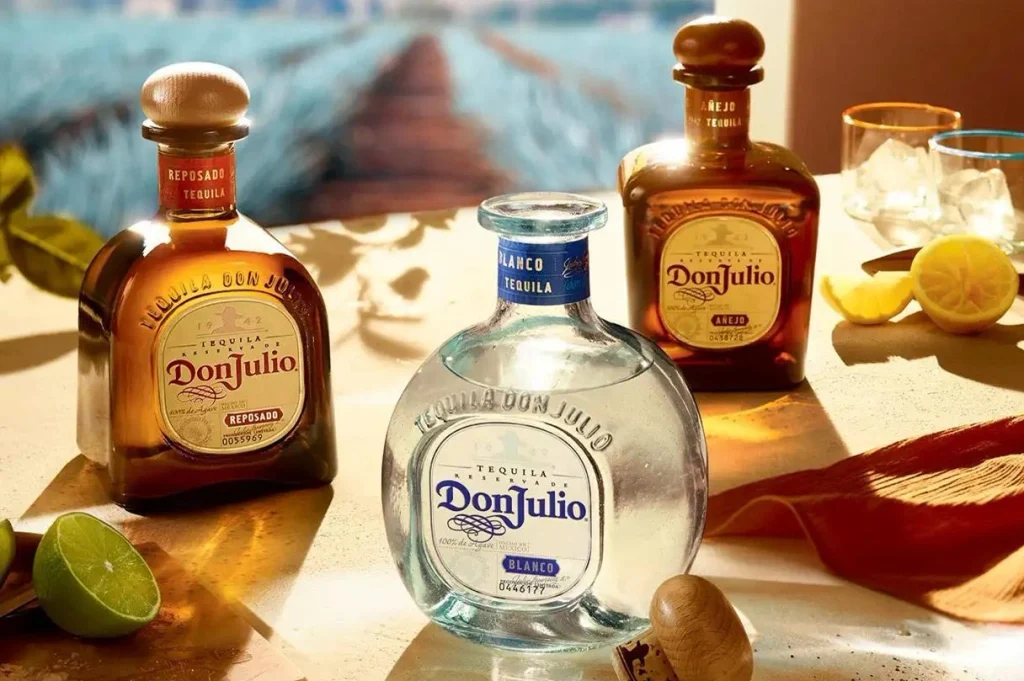
Don Julio expressions referenced in litigation-related coverage include products such as Blanco, Reposado, Añejo, 1942, Rosado, and other expressions. However, consumers should not treat an online product list as a final settlement list because there is currently no court-approved settlement class defining compensable products.
If the case eventually produces a settlement, the settlement agreement and court-approved notice would identify the exact covered products, purchase periods, jurisdictions, and other eligibility requirements.
Until that happens, “covered” should be understood in the context of the allegations, not as guaranteed eligibility for compensation.
What Consumer Protection Laws Are Plaintiffs Relying On?
The litigation invokes consumer-protection theories designed to address allegedly deceptive marketing and economic injury.
Depending on the plaintiff and jurisdiction, the legal theories may vary. The lead litigation has included state consumer-protection claims along with related common-law theories.
Plaintiffs generally must prove more than the existence of advertising they dislike. Issues may include whether a representation was false or misleading, whether it was material to a reasonable consumer, whether plaintiffs relied on or were affected by it as required under applicable law, and whether measurable economic harm resulted.
False Advertising Claims
False advertising claims focus on whether representations made in marketing or labeling allegedly created a materially inaccurate impression.
Here, plaintiffs contend that the 100% agave representation communicated a specific message about the source of the tequila’s alcohol. They say laboratory analysis contradicts that message.
Diageo denies the underlying factual premise. Therefore, the success of a false advertising theory may depend on both legal interpretation and evidence establishing what the products actually contained.
Misrepresentation Claims
Misrepresentation theories similarly focus on allegedly inaccurate or misleading statements that affected purchasing decisions.
Plaintiffs argue that they purchased Don Julio or Casamigos believing the tequila matched the representations made about its agave composition. They contend they would have paid less or avoided purchasing the products had they known what they allege to be the truth.
Whether those representations were actually false, legally actionable, and causally connected to economic loss remains disputed.
Unjust Enrichment Claims
Unjust enrichment is generally an equitable theory asserting that one party should not unfairly retain a benefit obtained at another’s expense.
In this context, plaintiffs argue that Diageo received money from purchasers who allegedly paid a premium based on misleading representations.
Such claims can be highly dependent on state law and the availability of other legal remedies. Diageo may challenge both the factual foundation and legal viability of these theories.
What Damages Are Plaintiffs Seeking From Diageo?
Plaintiffs seek monetary and other relief for the economic losses they say resulted from the challenged marketing. The original action alleged an amount in controversy exceeding $5 million for purposes of federal class action jurisdiction.
That figure should not be confused with a settlement amount or a guaranteed award. An amount-in-controversy allegation helps establish federal jurisdiction and does not tell individual purchasers how much they will receive.
Depending on the claims that ultimately survive, plaintiffs may seek forms of relief such as damages, restitution, statutory remedies, attorneys’ fees where authorized, and injunctive relief addressing challenged marketing practices.
Any actual recovery would depend on future rulings, proof, class certification, settlement negotiations, or a judgment.
What Is Diageo’s Response to the Don Julio Lawsuit?
Diageo has firmly denied the core allegations. It says its Don Julio and Casamigos tequila products are made from 100% Blue Weber agave and comply with applicable production and certification requirements.
The company has characterized the adulteration allegations as unfounded and has challenged the scientific and factual basis of plaintiffs’ claims. Reuters reported that Diageo pointed to strict production processes and independent certification in defending its products.
Diageo’s position matters because online discussions sometimes repeat the allegations as though the case has already established tequila adulteration. It has not.
The dispute remains adversarial: plaintiffs have presented allegations and purported supporting testing, while Diageo contests both the factual assertions and their legal sufficiency.
Has Diageo Asked the Court to Dismiss the Lawsuit?
Yes. Diageo filed a motion to dismiss the amended Pusateri complaint on October 31, 2025. The docket describes challenges including lack of jurisdiction and failure to state a claim.
A motion to dismiss asks the court to determine whether claims should proceed under applicable procedural and substantive legal standards. It is not itself a finding that plaintiffs are wrong, just as filing a complaint is not proof that plaintiffs are right.
The dismissal stage can significantly shape the litigation. A court may dismiss all claims, dismiss only certain claims or plaintiffs, allow claims to proceed, or in some circumstances permit further amendment.
Consumers following the case should therefore pay close attention to an actual court order rather than assuming the filing of the motion determined the outcome.
Don Julio Lawsuit Update 2026: Where Does the Case Stand?
The most reliable public information available in 2026 describes the Diageo tequila litigation as active and unresolved. Multiple related cases have been pending in the Eastern District of New York before Judge LaShann DeArcy Hall, with dismissal motions awaiting resolution.
The practical status can be summarized as follows:
| Issue | Current Status |
|---|---|
| Lawsuit filed | Yes |
| Diageo denies allegations | Yes |
| Motion to dismiss filed | Yes |
| Certified class | No confirmed certification |
| Court-approved settlement | None announced |
| Official settlement claim form | None announced |
| Confirmed payout | None |
| Settlement claim deadline | None announced |
Because federal litigation can change through new orders and docket entries, readers should distinguish the date of a particular update from the final outcome of the case.
Status of the Motion to Dismiss
Diageo’s motion to dismiss the amended Pusateri complaint was filed in October 2025. Public case updates in 2026 continued to describe the parties as awaiting rulings on pending dismissal motions.
A ruling could materially change the direction of the litigation. If substantial claims survive, the parties could move into additional discovery and later class-certification proceedings. If claims are dismissed, plaintiffs could potentially seek amendment or appellate review depending on the nature of the order.
Until the court rules, predictions about the ultimate outcome remain speculative.
Diageo’s Request to Stay the Litigation
In May 2026, Diageo requested that proceedings be stayed while the court considers pending dismissal motions. Plaintiffs opposed that request.
Plaintiffs’ counsel reported that Diageo made its stay request on May 6, 2026 and that plaintiffs responded on May 8, arguing that the requirements for a stay had not been met.
A stay is primarily procedural. Granting one would temporarily halt or limit litigation activity; it would not itself determine whether the tequila was properly labeled or whether Diageo is liable.
Has the Court Certified a Class Yet?
No confirmed class certification has been announced in the available 2026 case updates. The lawsuits are described as proposed class actions.
This distinction is critical. Filing a complaint “on behalf of” a class does not automatically turn every Don Julio purchaser into a class member.
Class certification generally requires a later court determination under Rule 23 of the Federal Rules of Civil Procedure. The court examines requirements such as numerosity, commonality, typicality, adequacy, and the applicable requirements for the particular type of class requested.
Who Could Potentially Qualify for the Don Julio Lawsuit?
Potential class membership could include consumers or businesses that purchased relevant Don Julio products during a period ultimately covered by a certified class or settlement.
However, there is no final settlement definition establishing who will receive money. Eligibility language circulating online should therefore be treated cautiously.
A future class definition could depend on factors such as:
- Which Don Julio products were purchased
- Where the purchase occurred
- When the purchase was made
- Whether the buyer purchased for personal or business purposes
- Which claims survive litigation
- Whether documentation is required
Final eligibility can only be determined from a court-approved class definition or settlement terms.
Consumers Who Purchased Don Julio
Individual purchasers are among the people who could potentially fall within a future class if the case proceeds and the court certifies an appropriate consumer class.
The basic theory is that purchasers allegedly paid more because they relied on or were exposed to representations about 100% agave tequila.
Buying Don Julio alone does not currently guarantee compensation. Product, date, location, and legal requirements could ultimately narrow the class.
Business Owners Who Purchased Don Julio
Business purchasers also appear in the litigation. Sushi Tokyo Inc., for example, was among the original plaintiffs in Pusateri.
Restaurants, bars, retailers, or other commercial purchasers could therefore have interests different from individual consumers.
Whether a particular business qualifies for a future class would depend on the class definition, applicable law, purchasing circumstances, and any exclusions established by the court or a settlement.
What Purchase Records May Matter
No official claims administrator has announced proof requirements because no settlement claims process has opened.
Still, purchasers interested in preserving records may reasonably keep:
- Store or restaurant receipts
- Digital order histories
- Credit or debit card records
- Email purchase confirmations
- Photos of bottles or labels
- Product names and bottle sizes
- Approximate purchase dates and locations
Keeping records does not create eligibility, but documentation can be useful if proof of purchase becomes relevant later.
Can You Join the Don Julio Lawsuit Right Now?
There is no court-approved settlement claim process to join at this stage.
Potential purchasers may see law-firm investigation pages asking people to provide information about purchases. Completing an attorney intake or case-investigation form is different from submitting a settlement claim.
Likewise, proposed class actions often operate differently from individual lawsuits. If a class is eventually certified or a settlement receives preliminary approval, potential class members may receive notice explaining whether they are automatically included, must file a claim, can exclude themselves, or have other rights.
Consumers seeking individualized legal advice about filing their own case should speak with a qualified attorney rather than assuming an online registration form makes them part of the litigation.
Don Julio Lawsuit Sign Up Online: What Is Actually Available?
Some plaintiffs’ attorneys maintain online forms for people who purchased Don Julio or Casamigos products and want to provide information or learn about the litigation. Hagens Berman, for example, has a case page concerning the tequila litigation and invites purchasers to contact the firm.
That should not be confused with an official settlement website.
At this stage, there is no announced settlement administrator accepting compensation claims. A law firm’s contact form may be used for case investigation, attorney communication, or updates, but completing one does not guarantee a payment.
Consumers should read exactly what a form says before providing personal information and determine whether it belongs to a law firm, court-approved administrator, or unrelated third party.
Is There an Official Don Julio Lawsuit Claim Form?
No official settlement claim form has been announced in the available case information.
That is consistent with the procedural status of the litigation. A settlement claim form normally appears after the parties reach an agreement, the court grants at least preliminary approval, and a settlement administrator establishes a claims process.
Those events have not been publicly confirmed for this litigation. Public 2026 case information continues to describe the litigation as active, with no settlement or certified class announced.
Consumers should therefore be skeptical of websites presenting an ordinary contact or lead-generation form as the “official Don Julio claim form.”
Is There a Don Julio Lawsuit Claim Form PDF?
There is no confirmed court-approved Don Julio settlement claim form PDF available based on the current litigation status.
A genuine settlement PDF would ordinarily identify the case, settlement administrator, eligibility requirements, filing instructions, deadlines, and official settlement website. It would typically be tied to documents approved or authorized through the settlement process.
Downloading an unofficial PDF does not establish a claim.
Until a settlement is reached and a claims process is authorized, consumers should avoid sending Social Security numbers, banking credentials, payments, or unnecessary identity documents to websites simply because they use phrases such as “Don Julio settlement form.”
Has a Don Julio Lawsuit Settlement Been Reached?
No court-approved settlement has been announced in the public 2026 case information reviewed for this article.
The litigation remains active, and plaintiffs’ counsel has continued to describe pending cases and dismissal motions rather than a completed settlement.
This is one of the most important points for searchers because “lawsuit” and “settlement” are frequently treated as interchangeable online. They are not.
A lawsuit can end through dismissal, judgment, settlement, or other procedural outcomes. Until the parties actually reach an agreement and the court addresses approval in a class action context, there is no settlement fund from which consumers can claim payments.
What Is the Don Julio Lawsuit Settlement Amount?
There is currently no confirmed Don Julio lawsuit settlement amount.
The original litigation alleged that the amount in controversy exceeded $5 million, but that should not be reported as a $5 million settlement.
The amount in controversy is a jurisdictional concept describing the value placed at issue in litigation. A settlement amount, by contrast, would be the amount agreed upon to resolve claims and, in a class action, would generally be disclosed through settlement documents submitted to the court.
Because no court-approved settlement has been announced, any website giving consumers a specific Don Julio settlement fund figure should be checked carefully against actual court documents.
Is There a Don Julio Lawsuit Payout Per Person?
No. There is currently no confirmed payout amount per person.
Individual class payments cannot be calculated until several unresolved questions are answered, including whether the litigation produces a settlement, which purchasers are covered, the size of any settlement fund, the number of valid claims, and how the allocation formula works.
If a settlement eventually occurs, payments could theoretically depend on:
- Number of qualifying purchases
- Product type
- Proof of purchase
- Settlement fund size
- Number of valid claimants
- Administrative costs and court-approved deductions
Any specific dollar figure advertised now is therefore speculative unless it is supported by a later court-approved settlement.
How Would a Don Julio Class Action Settlement Payment Work?
If the litigation eventually settles, the process would normally begin with a written settlement agreement submitted to the court.
In a typical federal class settlement, the court may grant preliminary approval and authorize notice to potential class members. The notice would explain who qualifies, what rights are being released, how objections or exclusions work, and whether a claim form is necessary.
A claims administrator could then review submitted claims. After final approval and resolution of any remaining conditions, eligible class members could receive payments according to the settlement’s allocation formula.
That is a general description of class action procedure—not a statement that the Don Julio case will settle or use a particular payment method.
Is There a Don Julio Lawsuit Filing Deadline in 2026?
There is no announced settlement claim deadline because there is no confirmed settlement claims process.
Consumers should distinguish a settlement claim deadline from statutes of limitations applicable to individual legal claims. The latter can depend on jurisdiction, claim type, purchase date, and other facts.
If a class settlement is eventually proposed, the court-approved notice would typically specify important dates such as:
- Claim submission deadline
- Objection deadline
- Exclusion or opt-out deadline
- Final approval hearing date
Someone considering an individual lawsuit should not wait for a potential class settlement based solely on information from a general article. Legal filing periods can expire, and individualized advice should come from a licensed attorney.
Should You Opt Out of the Don Julio Lawsuit?
There is no current settlement opt-out deadline to act on.
If a class is certified or a settlement is proposed later, eligible class members may receive information explaining whether and how they can exclude themselves. Opting out generally preserves the ability to pursue claims independently rather than being bound by a class resolution, subject to applicable legal requirements.
Whether that makes sense depends on factors such as the value of an individual claim, available evidence, litigation costs, statutes of limitations, and settlement terms.
Consumers should wait for an actual court-approved notice before following online instructions purporting to provide a Don Julio opt-out deadline.
What Should Don Julio Buyers Do While the Case Is Pending?
Most purchasers do not need to take immediate settlement action because no official claims process has been announced.
Consumers who want to preserve information can take a few practical steps:
- Keep receipts and online purchase records.
- Save photographs showing the product and label.
- Note approximately when and where purchases occurred.
- Follow the federal court docket or credible case updates.
- Distinguish attorney intake forms from official claim forms.
- Avoid paying a fee merely to “register” for a future class settlement.
- Consult an attorney if individual legal rights or limitation periods are a concern.
The purpose of retaining records is simply to make future verification easier. It does not mean a buyer is automatically entitled to compensation.
How to Verify a Don Julio Lawsuit Sign-Up or Claim Website
The easiest way to evaluate a supposed claim website is to determine what stage the case has actually reached.
If no settlement exists, a site advertising a guaranteed settlement payment deserves additional scrutiny. Consumers can check the federal docket, court documents, counsel’s case information, and any future court-approved notice.
A legitimate settlement portal would normally identify the case name, court, administrator, deadlines, and settlement documents. Consumers should also check the site’s privacy disclosures before submitting information.
Be especially cautious if a website demands upfront payment, promises guaranteed compensation, requests banking passwords, or implies that an immediate fee is required to preserve a standard class settlement claim.
How Is the Don Julio Lawsuit Different From Other Tequila Class Actions?
The Don Julio litigation belongs to a broader period of scrutiny involving tequila marketing, production representations, and consumer expectations. But not every tequila lawsuit involves the same defendant, scientific evidence, product labels, or legal theories.
The Diageo cases are particularly focused on Don Julio and Casamigos and the allegation that products represented as 100% agave allegedly contained non-agave-derived alcohol.
Other tequila disputes may concern additives, authenticity, labeling terminology, geographic origin, pricing, or different production claims.
Consumers should therefore avoid assuming that a ruling or settlement involving another tequila brand automatically determines Diageo’s liability. Each lawsuit depends on its pleadings, evidence, applicable laws, defenses, and procedural history.
What Could Happen Next in the Don Julio Lawsuit?
One major next step is judicial action on pending dismissal issues. A ruling could allow claims to continue, narrow them, or dismiss some or all of them.
If substantial claims survive, later stages could include discovery, expert testimony, disputes over scientific testing, and a motion for class certification. The parties could also discuss settlement at virtually any appropriate point, although a future settlement is not guaranteed.
Possible paths include:
- Claims surviving dismissal
- Partial dismissal of certain claims
- Dismissal of the litigation
- Further amendment of pleadings where permitted
- Discovery and expert proceedings
- Class-certification litigation
- Settlement negotiations
- Trial or later appellate proceedings
The existence of several possible outcomes is why predictions about a guaranteed Don Julio payout are premature.
Read: Exploring CNLawBlog
Read: Native Hair Loss Lawsuit
Read: BSA Lawsuit Settlement
Read: SheaMoisture Lawsuit
Read: NetVideoGirls Lawsuit
Read: Vital Proteins Lawsuit
Frequently Asked Questions
Is the Don Julio lawsuit real?
Yes. Proposed class action litigation has been filed against Diageo concerning Don Julio and Casamigos tequila marketing. Diageo denies the plaintiffs’ allegations.
What is the Don Julio lawsuit about?
Plaintiffs allege certain tequila was marketed as 100% agave despite allegedly containing non-agave alcohol. Diageo says its tequila is genuinely 100% Blue Weber agave.
Has the Don Julio lawsuit settled?
No court-approved settlement has been announced in the available 2026 case information. The litigation has remained active with contested motions pending.
Is there a Don Julio lawsuit claim form?
No official settlement claim form has been announced. Attorney intake forms found online should not be mistaken for a court-approved settlement claims portal.
How much is the Don Julio lawsuit payout?
There is no confirmed payout amount. Any individual payment would depend on a future settlement or judgment and the rules governing eligible purchasers.
Final Thoughts
The Don Julio lawsuit remains an unresolved consumer class action dispute centered on allegations that tequila marketed as 100% agave contained alcohol derived from non-agave sources. Plaintiffs rely in part on testing they say supports those allegations, while Diageo strongly denies them and maintains that Don Julio and Casamigos are made from 100% Blue Weber agave.
For consumers, the distinction between an active lawsuit and a settlement is crucial. No court-approved settlement amount, official claim form, confirmed payout per person, or settlement filing deadline has been announced in the public case information reviewed for this 2026 update.
Buyers who want to follow the case can preserve purchase records and rely on court documents or verified case updates rather than guaranteed-payout claims circulating online. Ultimately, compensation will depend on what claims survive, what evidence is established, whether a class is certified, and whether the litigation ends through settlement or another court-approved outcome.