


Cora is a period-care brand known for organic cotton tampons, pads, liners, and other menstrual products. Searches for the Cora Pads Lawsuit have increased as consumers encounter online discussions about Cora tampons, particularly complaints involving applicator performance and changes to the product design.
Many searchers want to know whether these complaints have resulted in a lawsuit, class action, recall, settlement, or compensation program. Others are trying to determine whether individual product reviews and social-media posts point to a broader legal issue.
This article separates documented product information and consumer reports from unverified legal claims. It also explains the current 2026 lawsuit status, applicator controversy, reviews, potential claims, and what consumers should watch for next.
Why Are People Searching for the Cora Tampons Lawsuit?
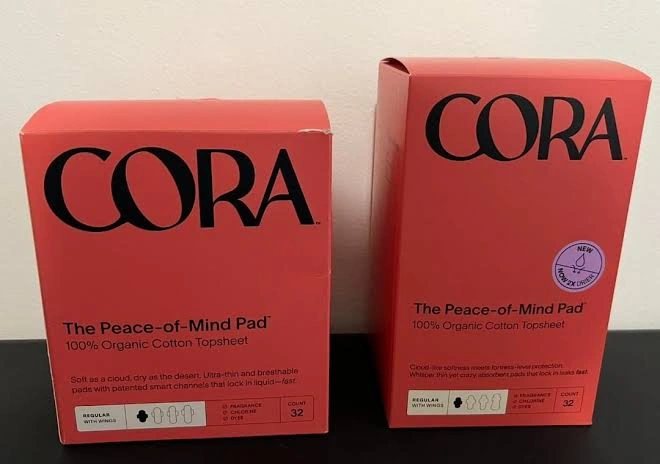
Interest in a possible Cora tampons lawsuit appears to be driven primarily by a combination of consumer complaints, changes to Cora’s applicator design, broader concerns about menstrual-product safety, and confusion created by online lawsuit content.
Recent complaints are particularly focused on applicator performance. Some consumers have reported difficulty getting the tampon to release, applicators collapsing during insertion, or having to discard multiple products before successfully using one. Recent Target reviews include complaints specifically referencing the new applicator, although other reviewers describe the redesigned product positively.
Search interest does not establish that litigation exists. A consumer complaint, negative product review, Reddit discussion, or search-engine suggestion is fundamentally different from a lawsuit filed in court.
There is also potential confusion with litigation involving other tampon brands and broader research concerning substances found in menstrual products. Earlier reporting, for example, noted litigation involving L. brand tampons while stating that Cora had not been identified in that particular class-action discussion.
What Is Cora and Why Are Its Tampons Popular?
Cora sells menstrual and personal-care products, including tampons and pads. Its tampon line has attracted consumers interested in organic cotton products and products marketed without certain materials or additives.
Current product listings describe Cora applicator tampons as being made with 100% organic cotton and without pesticides, dioxins, rayon, fragrance, or chlorine. The redesigned product uses a BPA-free compact plastic applicator with a curved, textured grip and tapered design.
Those characteristics are important because many shoppers deliberately compare tampon brands based on materials, applicator design, absorbency, comfort, and fragrance.
Cora also offers different absorbency options and applicator-free products. That means a complaint involving one product configuration should not automatically be interpreted as applying to every product sold under the Cora brand.
What Is the Cora Tampons Lawsuit About?
The phrase “Cora tampons lawsuit” currently functions more like a consumer search term than the name of a clearly established nationwide product-liability case.
Much of the current discussion centers on product-performance complaints involving applicators. Consumers have described difficulty deploying the tampon, applicators collapsing, and inconsistent performance. These reports can be relevant to consumer safety discussions, but they do not by themselves prove a legal defect.
For a product-liability lawsuit to proceed successfully, a claimant generally needs more than dissatisfaction with a product. Depending on the legal theory and jurisdiction, issues such as defect, causation, injury, damages, warnings, representations, and evidence may become important.
Applicator Design Complaints
Some recent consumers have criticized Cora’s redesigned compact applicator. Complaints posted through retailers and online communities describe problems gripping, extending, or operating the applicator properly.
This is notable because Cora’s current product description specifically promotes a redesigned “easy-grip” applicator featuring a curved textured grip and tapered shape.
A design that some users dislike is not automatically legally defective. Establishing a design-defect claim ordinarily requires evidence beyond individual preference or inconvenience.
Difficulty Releasing the Tampon
One recurring complaint involves the tampon failing to release properly from the applicator.
This concern predates some of the newest online discussions. A Reddit thread from 2020 described a consumer repeatedly experiencing difficulty getting Cora tampons to release from their applicators, while more recent discussions describe similar deployment problems.
Recent consumer reports do not establish how common the issue is across all products or production batches. They should therefore be treated as anecdotal reports rather than proof of a systemic manufacturing defect.
Applicator Collapsing or Pinching During Use
Some 2026 Reddit users have described the applicator collapsing while attempting insertion or failing to remain extended properly. Several commenters said they discarded multiple tampons because they could not successfully operate the applicator.
Such complaints may be relevant if investigators or attorneys ever examine whether a particular design or production issue affected a significant number of products.
At present, however, individual reports cannot establish the defect rate, the cause of a malfunction, or legal responsibility.
Other Product Performance Complaints
Beyond applicator deployment, online comments include complaints involving leakage, absorbency, discomfort, shape, and perceived changes from earlier versions.
Experiences vary considerably. Some current reviews praise Cora tampons for comfort, absorption, and easy insertion, while others describe the applicator as small, flimsy, or difficult to operate.
That mixed record is important. A balanced assessment should not treat either positive or negative reviews as scientific evidence about the overall safety or performance of every Cora tampon.
Cora Tampons New Applicator Controversy Explained
Cora’s current tampon listings identify a “new” redesigned compact applicator. The redesign is marketed around improved grip, compactness, and easier insertion.
At the same time, some longtime users say their experience became worse after the change. That contrast between the intended design improvement and reported real-world performance appears to be a major reason the applicator has generated discussion.
Importantly, a product redesign does not itself indicate a safety problem or admission of a previous defect. Manufacturers routinely update product materials, packaging, dimensions, and functionality.
How the New Applicator Is Supposed to Work
Current product descriptions say the redesigned applicator is compact and BPA-free, with a curved, textured finger grip intended to reduce slipping. It also uses a tapered design intended to facilitate insertion.
The user extends or positions the compact applicator as directed and uses the plunger to deploy the tampon.
When functioning as intended, the design is meant to combine portability with controlled insertion. Several current reviewers report that the applicator works smoothly for them, demonstrating that consumer experiences are not uniform.
Why Some Consumers Have Reported Problems
Negative reports commonly describe difficulty pushing the plunger, failure of the tampon to deploy fully, or the applicator collapsing.
One July 2026 Reddit discussion included multiple consumers claiming that they had experienced problems after an apparent applicator change. Some reported throwing away several tampons because the applicators did not function as expected.
Retail reviews show a similar split. Some consumers criticize the new design, while others say the applicator is comfortable and easy to use.
Without controlled testing or verified defect data, these reports cannot establish whether problems result from design, manufacturing variation, user technique, isolated batches, or another factor.
Has a Cora Tampons Lawsuit Actually Been Filed?
This question requires careful wording because online sources are inconsistent.
As of August 2026, there is no clearly verified nationwide Cora tampon product-liability class action tied specifically to the recent applicator complaints, with an established class, public compensation program, and claim process.
Some legal-information sites report being unable to identify a nationwide product-liability or consumer class action specifically targeting Cora tampons. Other reporting references a dispute involving Cora’s operating company and alleged PFAS contamination in a feminine-hygiene product, while noting that available information does not establish that the product involved was a tampon.
Those distinctions matter. A lawsuit involving a company or another product is not automatically a “Cora tampon lawsuit.”
Consumers should look for basic verification before treating an online lawsuit claim as established: the court, case number, named parties, complaint, filing date, and specific product at issue.
Is There a Cora Tampons Class Action Lawsuit?
There is currently no verified nationwide class action over the recent Cora tampon applicator complaints with a court-approved class or public claims process.
A class action is more than a large number of people making similar complaints. Someone must file a lawsuit, establish legally sufficient claims, and ordinarily seek court approval to represent similarly situated consumers.
A legitimate class-action matter should be traceable through information such as:
- A named plaintiff and defendant
- A court and case number
- Filed pleadings
- Identifiable allegations
- Class-certification proceedings or allegations
- Official settlement documents if the matter resolves
Earlier reporting about tampon litigation also demonstrates why brand identification matters. Cora has sometimes been discussed alongside other organic tampon brands even when another company was actually the defendant.
Until verifiable filings establish otherwise, consumers should avoid treating general online references to a “Cora class action” as proof of an active nationwide applicator case.
Is There a Cora Tampons Recall?
No verified nationwide recall tied to the current applicator controversy was identified in the sources reviewed for this August 2026 update.
A recall and a lawsuit are separate events. A product can receive complaints without being recalled, and litigation can occur without a recall.
A recall may involve issues such as contamination, manufacturing errors, packaging problems, labeling issues, or other safety concerns. Whether a recall is necessary depends on the facts and the relevant regulatory process.
Consumers concerned about a specific box should retain the packaging, lot information, UPC, receipt, and any communications with the seller or manufacturer. Official regulatory and manufacturer notices are more reliable than social-media posts claiming a recall has occurred.
Cora Tampons Lawsuit Update 2026: What Is the Current Status?
As of August 2026, consumer discussion about Cora tampons is active, particularly regarding the redesigned applicator. However, the available information does not establish a nationwide class-action lawsuit over those applicator complaints.
The status can be summarized as follows:
| Issue | Current Status |
|---|---|
| Consumer applicator complaints | Reported online |
| Redesigned applicator | Confirmed in current product listings |
| Nationwide applicator class action | Not verified |
| Court-approved settlement | Not verified |
| Public claim form | Not verified |
| Applicator-related nationwide recall | Not identified in sources reviewed |
| Compensation deadline | None verified |
Current product listings continue to advertise the redesigned easy-grip applicator, while consumer reviews show both positive and negative experiences with it.
The situation could change. A future complaint, regulatory development, recall, investigation, individual injury lawsuit, or class action would need to be evaluated based on its actual documents rather than earlier speculation.
Cora Tampons Lawsuit Settlement: Has Any Compensation Been Announced?
No verified nationwide settlement program has been announced for consumers based on the recent Cora tampon applicator complaints.
That means there is currently no confirmed nationwide settlement amount, court-approved class definition, compensation schedule, public claim deadline, or established applicator-related payout.
This distinction is particularly important because settlement-related search terms can appear online before a settlement exists. Search-engine results and third-party websites sometimes use phrases such as “settlement,” “claim,” or “payout” when discussing a developing controversy.
Consumers should verify any supposed settlement through the underlying court proceeding. A legitimate class settlement generally identifies the case, court, settlement administrator, eligibility criteria, deadlines, and legal documents.
Never provide sensitive financial information merely because a webpage claims compensation is available.
Could Consumers Qualify for a Future Cora Tampons Claim?
Possibly, but only if a valid legal claim or class proceeding develops and the consumer meets the applicable requirements.
Eligibility cannot be predicted accurately before the underlying legal theory and facts are known. A future case could potentially involve economic losses, alleged product defects, physical injuries, representations about a product, or another issue entirely.
Consumers experiencing problems can preserve information now without assuming litigation will occur.
Potentially useful materials include:
- Purchase receipts
- Product packaging
- Lot or batch numbers
- Photographs or videos
- Dates the product was used
- Description of the malfunction
- Customer-service communications
- Relevant medical documentation
Preserving evidence does not mean a person has a valid lawsuit. It simply makes later evaluation easier if a legitimate legal issue emerges.
Evidence Consumers Should Keep
Evidence is particularly important in product-liability matters because the physical product may help establish what happened.
If possible, consumers should avoid immediately discarding the allegedly malfunctioning item and its packaging. Photographs showing the applicator before and after the reported problem may also help document its condition.
Written notes can record the date, absorbency type, circumstances of use, problem experienced, and whether any physical symptoms followed.
Consumers should preserve evidence safely and hygienically and follow medical advice where an injury is involved.
Purchase Records and Product Packaging
A receipt can establish when and where a product was purchased. Packaging may provide additional information such as the exact product type, UPC, lot information, absorbency, and manufacturing identifiers.
Digital purchases may be easier to document through retailer accounts, order histories, emailed receipts, or card statements.
Keeping the original packaging can be particularly useful where multiple versions of a product have existed. It may help identify whether the consumer purchased an older or redesigned applicator.
Medical Records for Reported Injuries
Anyone who experiences a significant physical reaction or injury should prioritize appropriate medical care rather than waiting to see whether litigation develops.
Medical records can document symptoms, examination findings, treatment, diagnosis, and timing. That information may later become relevant if a consumer believes a product contributed to an injury.
A temporal connection alone does not prove causation. Whether a product legally caused an injury can require medical evidence, expert analysis, and consideration of alternative explanations.
What Do Cora Tampons Reviews Say?
Consumer reviews are mixed rather than uniformly negative.
Current retailer listings include consumers praising comfort, organic cotton construction, absorption, portability, and easy insertion. Other reviews criticize applicator size, durability, deployment, or usability.
That mixed feedback makes reviews useful for identifying recurring themes, but not for proving a legal allegation.
Reviews are also subject to important limitations. They may involve different product generations, absorbencies, batches, individual anatomy, usage techniques, and expectations. Some positive retailer reviews are also expressly identified as having been collected as part of promotions.
Positive Consumer Experiences
Positive reviews commonly mention comfort, organic cotton materials, convenient compact packaging, absorbency, and easy insertion.
Recent reviewers have described Cora’s current tampons as comfortable and easy to use, with some specifically praising the smooth applicator and leak protection.
These experiences demonstrate why broad statements that the applicator “never works” would be unsupported. Consumer experiences clearly differ.
Positive reviews, however, also do not disprove another consumer’s reported malfunction. Both types of experience can exist within a large consumer-product market.
Negative Consumer Experiences
Negative feedback frequently focuses on the applicator.
Some consumers say the tampon does not release properly, the plunger is difficult to push, or multiple products must be discarded before one works correctly. A verified-purchase Target review dated August 10, 2026 specifically criticized the new applicator and described needing several attempts to successfully insert a tampon. Cora’s retailer response directed the customer to support.
Other online complaints discuss leakage, discomfort, or perceived differences in absorbency.
These reports remain consumer experiences unless supported by broader technical, regulatory, or legal findings.
What Are Consumers Saying About Cora Tampons on Reddit?
Reddit contains a noticeable body of discussion about Cora tampon applicators, including both older complaints and a stronger wave of discussion around the redesigned product.
A July 2026 thread includes users reporting collapsing applicators, malfunctioning plungers, incomplete tampon release, and wasted products. Some commenters claimed they had used Cora for years before experiencing problems with newer products.
Other Reddit discussions show that applicator complaints are not entirely new. Posts from 2020 and 2025 also describe difficulty releasing Cora tampons from the applicator.
Not every Reddit experience is negative. Other users have reported liking Cora products or experiencing acceptable applicator performance.
Reddit is useful for identifying consumer sentiment, but it is not a substitute for court records, scientific testing, adverse-event analysis, or regulatory findings. Posts are generally self-reported and cannot independently establish defect rates or causation.
Cora Pads Lawsuit vs. Cora Tampons Lawsuit: Are They the Same Issue?
Not necessarily.
Searches for a Cora Pads Lawsuit can lead users into discussions involving tampons, PFAS allegations, menstrual products generally, or other legal matters involving the company. That does not mean each phrase refers to the same verified lawsuit.
Pads and tampons are different products. An allegation involving one product should not automatically be attributed to another.
The same rule applies when evaluating alleged contamination, labeling, applicator, or injury claims. Readers should identify the exact product named in the underlying complaint.
This is particularly important because some online legal reporting references a dispute involving Cora’s operating company and an alleged PFAS issue involving a feminine-hygiene product, while acknowledging that available information does not establish that the product was a tampon.
The product, defendant, legal theory, court, and case number should therefore be verified before treating “pads lawsuit” and “tampons lawsuit” as interchangeable terms.
Cora Tampons Ingredients and Product Safety Concerns
Current product listings describe Cora applicator tampons as containing a tampon and string made from 100% organic cotton, paraffin water-repellent wax on the string, and a BPA-free plastic applicator.
The products are also marketed as being made without pesticides, dioxins, rayon, fragrance, or chlorine.
Ingredient marketing should be separated from broader claims about safety. “Organic cotton” does not mean a product is completely risk-free, just as the presence of a reported adverse experience does not establish that an ingredient caused it.
Tampons also carry established warnings regarding toxic shock syndrome (TSS). Current product information advises consumers to select the lowest absorbency needed and limit use according to package instructions.
Consumers with concerns about symptoms, sensitivities, or appropriate menstrual products should seek individualized guidance from a qualified healthcare professional.
Could Applicator Complaints Lead to Future Litigation?
Potentially. Repeated consumer complaints sometimes precede investigations or litigation, but there is no automatic progression from negative reviews to a lawsuit.
Attorneys considering a product case would likely examine whether a defect can be identified and whether it caused measurable harm.
Factors could include:
- Number and consistency of reported failures
- Whether particular batches are involved
- Nature of the alleged malfunction
- Internal or external product testing
- Consumer injuries or economic losses
- Instructions and warnings
- Manufacturer knowledge
- Regulatory information
A class action based primarily on economic loss would also raise different issues from an individual product-liability case involving physical injury.
For now, the existence of similar complaints is a reason to monitor developments, not proof that Cora faces legal liability.
What Should Consumers Do If a Cora Tampon Applicator Does Not Work?
A consumer should not force an applicator that appears damaged, collapsed, or unable to function as intended.
The immediate priority should be safe product use. Consumers can consult the instructions supplied with the product and discontinue using a particular item if it appears defective.
Practical steps may include:
- Keep the packaging and malfunctioning product if safe to do so.
- Photograph the applicator and packaging.
- Record the lot or identifying information.
- Save the purchase receipt.
- Contact the retailer or Cora customer support.
- Document any physical symptoms.
- Seek medical care for significant pain, retained material, unusual symptoms, or suspected injury.
Current retailer responses to some negative reviews direct consumers to Cora’s support channel for assistance.
Consumers should not attempt to diagnose a potentially serious medical problem based on online reviews or lawsuit discussions.
How to Separate Verified Cora Lawsuit Information From Online Rumors
The fastest way to evaluate a lawsuit claim is to look for information that would exist if the case were real.
A credible report should ordinarily identify the parties, court, case number, filing date, claims being asserted, and product involved. If a settlement has occurred, there should usually be additional documentation describing the class, settlement terms, administrator, deadlines, and court approval process.
Be cautious when a webpage claims there is a major settlement but provides no identifiable case.
Warning signs include claims of:
- Guaranteed compensation
- A payout without a named lawsuit
- An unexplained “claim deadline”
- No court or case number
- No named plaintiff
- Requests for upfront payment
- Requests for account passwords or sensitive credentials
Third-party lawsuit websites can be useful starting points, but the underlying court documents and official notices carry substantially greater evidentiary value.
What Could Happen Next With the Cora Tampons Lawsuit?
Several outcomes are possible, and none should be presented as certain.
The applicator complaints may remain a consumer-product issue without developing into litigation. Cora could continue modifying its products or responding individually to customer complaints. Additional information could also emerge through retailer feedback, regulatory reporting, or company communications.
Alternatively, an individual consumer could file a lawsuit if they allege a legally actionable injury. Attorneys could also investigate whether sufficiently similar claims exist to support broader litigation.
A future lawsuit would still need to survive procedural and substantive legal challenges. Filing a complaint does not prove the allegations.
For consumers monitoring the issue, the most meaningful development would be a verifiable court filing, regulatory action, recall notice, or official company announcement—not simply an increase in online searches.
Read: Generational Equity Lawsuit
Read: Trellis Law
Read: Fischer Homes Lawsuit
Read: Venmo Class Action Lawsuit
Read: Exploring CNLawBlog
Frequently Asked Questions
Is there currently a Cora tampon class action lawsuit?
No verified nationwide class action tied to the recent Cora applicator complaints has been established in the sources reviewed as of August 2026. Online complaints alone do not create a class-action case.
Has Cora announced a tampon settlement?
No verified nationwide court-approved settlement or applicator-related compensation program has been identified. Consumers should verify any purported settlement through the underlying court case before submitting personal information.
Why are people complaining about Cora’s new applicator?
Some consumers report difficulty operating the plunger, incomplete tampon release, collapsing applicators, or wasted products. Other consumers report positive experiences, so the available reviews do not show uniform product performance.
Are Cora tampons recalled?
No nationwide recall tied specifically to the current applicator controversy was identified in the sources reviewed. Consumers should rely on official recall notices rather than unverified social-media claims.
Can consumers receive compensation for defective Cora tampons?
There is currently no verified nationwide claim program for the applicator complaints. A future consumer’s eligibility would depend on the specific lawsuit, alleged damages, evidence, class definition, and applicable law.
What evidence should I keep if an applicator malfunctions?
Keep receipts, packaging, product identifiers, photographs, customer-service communications, and relevant medical records. Such documentation may help establish what product was used and what allegedly occurred.
Final Thoughts
The Cora Pads Lawsuit search trend appears to combine several distinct issues: recent tampon applicator complaints, broader menstrual-product safety concerns, consumer reviews, and online speculation about possible litigation. Current product listings confirm that Cora has introduced a redesigned applicator, and consumers have reported both positive and negative experiences with it.
As of August 2026, however, consumers should be cautious about claims that the recent applicator controversy has already produced a nationwide class-action settlement, public claim form, or guaranteed compensation program.
Anyone experiencing a product problem should preserve relevant evidence, report the issue through appropriate channels, and seek medical attention when physical symptoms warrant it. If litigation develops later, its significance will depend on actual court filings, evidence, applicable law, and judicial decisions—not the volume of online speculation.