
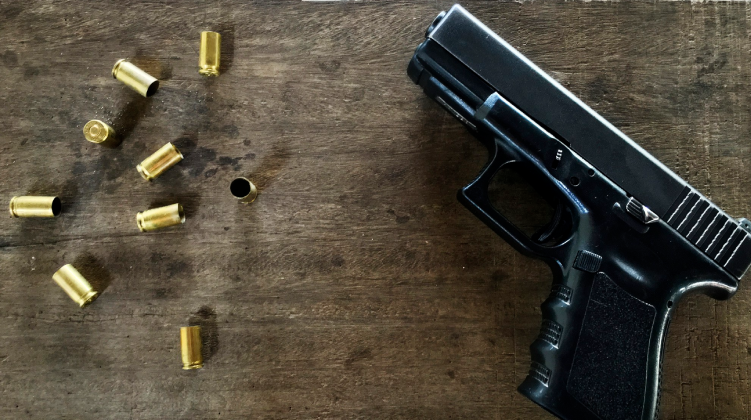

In Riverside, California, a person with a felony conviction is generally prohibited from owning or possessing a firearm, and the ban can last a lifetime. Certain misdemeanor convictions can also lead to a 10-year or lifetime firearm restriction. Federal law may impose a separate ban, so the rules depend on the type of conviction and whether the person’s firearm rights have been legally restored.
Riverside is the largest city in Riverside County, which is based in the Inland Empire in Southern California. Any criminal case based in the city is handled by the Riverside County Superior Court; you can look into their public portal to find case information. Because the exact charge and final outcome can affect firearm rights, an experienced Riverside criminal defense lawyer can review the case and explain which restrictions may still apply.
Having an old conviction or completing a sentence does not automatically prove that a firearm ban has ended. Before buying, receiving, or possessing a firearm, it is important to understand how both California and federal laws apply to the specific case.
What Types of Criminal Convictions Affect Your Firearm Rights?
Your criminal history determines whether California law allows you to own or possess a firearm. Some convictions create a permanent restriction, while others carry a limited ban.
Felony Convictions
California Penal Code § 29800 generally prohibits anyone convicted of a felony from owning, buying, receiving, or possessing a firearm. In most cases, this restriction remains in place for life unless the person obtains qualifying legal relief.
The restriction also covers situations where a firearm remains under your control, even if you do not physically carry it. For example, keeping a gun in a home or vehicle where you have access to it could create legal exposure.
Misdemeanor Convictions
A misdemeanor does not always mean you lose your firearm rights. However, California Penal Code § 29805 identifies specific offenses that trigger a 10-year prohibition. These include certain assault, battery, stalking, and domestic violence convictions.
Why Do Some Convictions Lead to Lifetime Firearm Bans?
California restricts firearm access based on the nature of certain criminal offenses. Some restrictions last 10 years, while others continue indefinitely.
Completing your sentence does not necessarily change your legal status. Serving jail time, finishing probation, and paying court-ordered fines do not automatically restore your right to possess a firearm.
Federal law adds another layer. Under 18 U.S.C. § 922(g)(1), anyone convicted of a crime punishable by imprisonment for more than one year is generally prohibited from possessing firearms or ammunition.
This means a person may face federal restrictions even after resolving certain issues with their California criminal record. You must account for both legal systems.
Some misdemeanor offenses can also lead to lifetime restrictions. The exact charge, date of conviction, and circumstances of the case determine which rule applies.
Can You Regain Your Right to Possess a Firearm?
Some people may qualify for legal relief, but clearing a criminal record and restoring firearm rights are two different things.
For instance, California Penal Code § 1203.4 allows eligible individuals who complete probation to seek a dismissal of their conviction. However, this process does not automatically remove an existing firearm prohibition.
Other forms of relief may be available under specific circumstances. Penal Code §§ 29855 and 29860 allow certain individuals to ask a court to reduce or remove particular firearm restrictions. The court must review the applicable requirements before granting relief.
What Steps Should You Take Before Possessing a Firearm?
If you have a criminal conviction, take the following steps before attempting to purchase, receive, or possess a gun:
- Obtain your criminal history and copies of the original sentencing documents.
- Confirm the exact offense and whether the court classified it as a felony or misdemeanor.
- Determine whether California Penal Code § 29800 or § 29805 applies.
- Review possible federal restrictions under 18 U.S.C. § 922(g).
- Confirm that any court-approved relief actually removes the applicable firearm prohibition.
Frequently Asked Questions
Can you legally own a firearm after a felony conviction in California?
Generally, no. Penal Code § 29800 imposes a lifetime prohibition for most felony convictions unless you qualify for legal relief.
Does an expungement restore firearm rights?
No. A dismissal under California Penal Code § 1203.4 does not automatically restore your right to own or possess a firearm.
Can a misdemeanor conviction affect your firearm rights?
Yes. Certain misdemeanor convictions trigger 10-year or lifetime firearm restrictions under California law.
Key Takeaways
- Most felony convictions result in a lifetime firearm prohibition under California law.
- Certain misdemeanor offenses carry 10-year or lifetime restrictions.
- California Penal Code §§ 29800 and 29805 establish important firearm prohibitions.
- Federal law under 18 U.S.C. § 922(g) can impose additional restrictions.
- Completing probation or obtaining an expungement does not automatically restore firearm rights.
- Some individuals may qualify for court-approved relief.
- Always verify your firearm eligibility before buying, receiving, or possessing a gun.